Petlibro Granary Camera Feeder Review: Useful Video, But Portion Checks Still Matter
ReviewPetlibro Granary Camera Feeder
Top PickBest fit: scheduled meals with visual checks
Check current price
Quick picks
| Product | Key Specs |
|---|---|
| See price on Amazon |
|
| See price on Amazon |
|
Product availability, certifications, and retailer details can change; check the current Amazon page before buying.
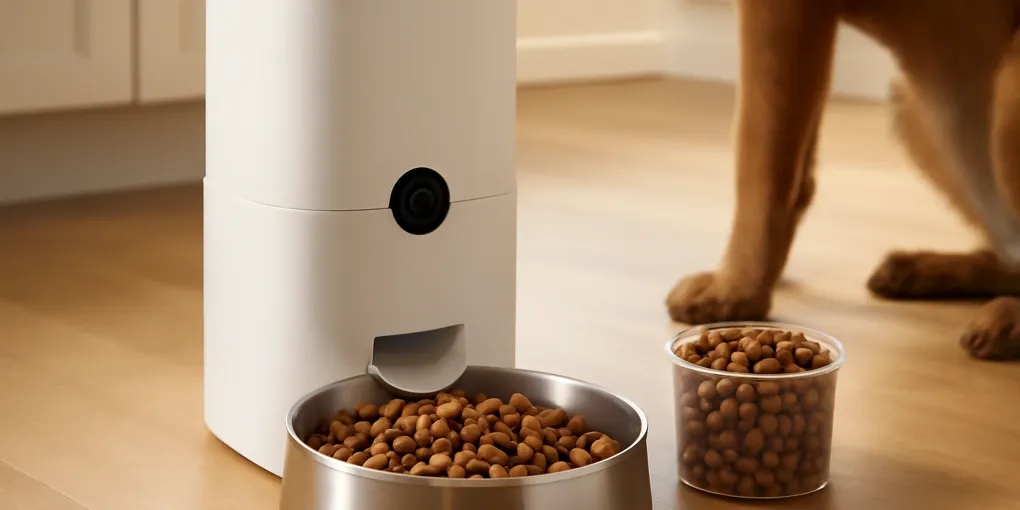
The Petlibro Granary Camera Feeder is best understood as a dry-food scheduler with visual confirmation. The camera is useful because it answers the most common automatic-feeder question: did food actually drop, and which pet ate it? That does not make it a complete care system. Portions still need measuring, dry food can still jam, and a camera does not stop food stealing.
For a healthy cat or small dog that eats dry food on a predictable schedule, this style of feeder can reduce early-morning wakeups and make short absences less stressful. For prescription diets, aggressive food guarding, wet food, or pets with medical risk, it should be a limited tool with human backup.
Quick picks by product type
Buy it if you want scheduled dry-food meals plus video checks. Skip it if you need individual pet access control, refrigerated wet food, or medical-grade intake monitoring.
The strongest use case is a single cat that eats kibble, benefits from smaller scheduled meals, and lives in a home where someone can still check water, litter, and behavior daily.
Search Amazon for Petlibro camera feeder.
What the camera changes
A basic feeder tells you a schedule ran. A camera feeder can show whether food is in the bowl, whether the intended pet approached, and whether a second pet stole the meal. That evidence is valuable when troubleshooting missed meals or early-morning begging.
The camera is less useful if the feeder sits in a dark corner, faces a reflective bowl, or is blocked by a wall. Place it where the bowl area is visible and where the pet naturally stands to eat.
Do not treat video as a health guarantee. A pet can appear at the bowl and still eat too little. If appetite is medically important, use weighed food and veterinary guidance.
Portion reliability: measure before trusting
Automatic feeders portion by volume or motor rotations, not by calorie intelligence. Two foods with different kibble shapes can produce different gram weights for the same portion setting. Before relying on a schedule, run at least five test dispenses into a cup, weigh each serving, and calculate the average.
Then compare the grams per meal with the food label and your veterinarian’s body-condition advice. The Association for Pet Obesity Prevention has long highlighted how common pet overweight and obesity are in the United States, which makes casual overfeeding a real risk (Association for Pet Obesity Prevention).
If your pet is on a weight-loss plan, ask the clinic for daily grams or calories and use a kitchen scale. Do not set the feeder by vibes.
Kibble compatibility
Camera feeders like this are dry-food devices. They work best with small to medium, uniform kibble. Very large, oily, irregular, or crumbly pieces increase jam risk. Freeze-dried pieces can break into dust and interfere with flow.
Test your exact food before leaving the feeder responsible for a meal. Fill a small amount, run several scheduled portions, and watch for bridging inside the hopper.
Cleaning and freshness
Dry food still leaves oil on plastic. Empty the hopper periodically, wipe crumbs from the chute, and wash the bowl. If the feeder has a removable stainless bowl insert, use it. Stainless is easier to clean than plastic and holds less odor.
The FDA advises safe handling and storage for pet food and treats, including washing hands and keeping food in conditions that reduce contamination risk (FDA pet food handling tips). For a feeder, that means not leaving months of kibble sitting in a warm hopper.
Power, Wi-Fi, and app dependence
Check whether your setup uses wall power, battery backup, or both. Battery backup is useful for outages, but it does not solve every problem. Wi-Fi outages can affect app changes, video viewing, alerts, or cloud features depending on the model and firmware, so use a multi-story Wi-Fi placement guide if the feeder sits on a different floor from the router.
Before travel, test the exact plan:
- schedule several meals
- unplug the router briefly and confirm what still works
- unplug wall power if battery backup is installed
- verify the app shows the expected feeder status
- ask a human backup to check the feeder if alerts stop
Do not make the first real test happen while you are away.
Multi-pet homes
A camera can reveal food stealing, but it cannot prevent it. If one cat eats both meals, a camera feeder may simply document the problem. For separate diets, a microchip feeder is often a better category. Search Amazon for microchip feeders.
If you still use a camera feeder in a multi-pet home, place it in a room where the intended pet can be separated during meals, or schedule meals when someone can supervise.
Who should skip it
Skip a camera feeder as the primary system if your pet:
- eats wet, fresh, or prescription food that cannot sit out
- has diabetes or another condition where meal timing is medically critical
- is a known cord chewer
- guards food from other pets
- needs appetite monitoring after surgery or illness
- panics around motor noises
For these pets, use veterinary-specific feeding instructions and human checks.
If the main challenge is teaching your cat to trust timed meals, start with our cat automatic feeder introduction protocol before relying on camera alerts alone.
Petlibro Granary Camera Feeder FAQ
Is the Petlibro Granary Camera Feeder good for weight loss?
It can support measured meals, but it is not a weight-loss plan by itself. Use your veterinarian’s calorie target, weigh portions, and confirm the feeder dispenses the intended amount of your kibble.
Does the camera prove my cat ate the whole meal?
Not always. Video helps confirm visits and interruptions, but it may not show exact grams eaten in multi-pet homes. Check the bowl and body-weight trend instead of trusting clips alone.
Who should skip a camera feeder?
Skip it for cats on wet food only, cats that need prescription meal monitoring, pets that break into hoppers, or homes where a microchip feeder is needed to stop meal stealing.
Reader test: what to do today
If you buy the Petlibro Granary Camera Feeder, do not fill it and leave. Weigh five dispensed meals, check the camera angle at night, confirm battery or outage behavior, and run it for three normal days while you are home. If the portions vary too much or another pet steals meals, switch categories before trusting it for travel.
Frequently Asked Questions
- No. It can dispense dry meals and show video, but pets still need water checks, litter or potty care, illness monitoring, and human backup during longer absences.
- Only if both cats can share food safely. A camera helps you see stealing, but it does not stop it. For diet separation, consider a microchip feeder or separate feeding rooms.
- No. Kibble shape and size affect portions. Weigh several dispensed meals before trusting calorie calculations.