We may earn a commission if you buy through our links.
Quick picks
| Product | Key Specs |
|---|---|
| See price on Amazon |
|
| See price on Amazon |
|
| See price on Amazon |
|
| See price on Amazon |
|
Best Cat Food for Sensitive Stomach
The best cat food for sensitive stomach overall is Hill’s Science Diet Sensitive Stomach & Skin, which combines a highly digestible chicken-based formula (>89% protein digestibility per manufacturer technical data), and a prebiotic fiber blend for stool quality. For cats that react to chicken, Purina Pro Plan Sensitive Skin & Stomach in Salmon flavor offers a different main protein at comparable pricing. Fish is itself one of the most commonly reported food allergens in cats, alongside beef and chicken (Mueller et al., 2016, PMID: 26753610), so salmon is not a novel protein for every cat.
TL;DR
- Top Pick: Hill’s Science Diet Sensitive Stomach & Skin — highly digestible chicken formula, prebiotic fiber, no recalls
- Salmon-Based Pick: Purina Pro Plan Sensitive Skin & Stomach (Salmon) — an option for cats that react to chicken; fish is itself a common allergen
- Digestive Support: Royal Canin Digest Sensitive — veterinary-influenced formula with targeted GI fiber
- Budget: Blue Buffalo Sensitive Stomach (Chicken & Rice) — widely available, real chicken, good for mild sensitivity
- Key Stat: In a study of 55 cats with chronic idiopathic gastrointestinal problems, 29% were diagnosed as food-sensitive by elimination-challenge trials, and signs resolved on the elimination diet in a further 20% (Guilford et al., 2001, PMID: 11215916)
Feline gastrointestinal sensitivity is among the most common reasons cat owners switch foods. Symptoms — chronic vomiting, loose stools, flatulence, or weight loss — are frequently diet-responsive but require correct dietary strategy to resolve. The wrong “sensitive” formula can maintain or worsen symptoms if it contains the same allergens as the previous food. The right approach requires understanding whether the issue is true food allergy, intolerance, or simply a low-digestibility formula.
What Makes Cat Food Good for Sensitive Stomachs?
Is Your Cat’s GI Problem Food-Related?
Before switching food, rule out non-dietary causes: intestinal parasites, inflammatory bowel disease (IBD), hyperthyroidism, and pancreatitis all cause vomiting and diarrhea and require veterinary diagnosis. Dietary management treats food-responsive enteropathy — a subset of GI disease. If your cat has been symptomatic for more than 2 weeks, a veterinary visit before food switching is recommended.
Key dietary strategies for sensitive stomachs:
-
High digestibility — Protein digestibility >87% reduces undigested residue reaching the colon, decreasing fermentation-related gas and diarrhea. Standard commercial foods range from 75–88%; premium sensitive formulas target >88%.
-
Novel or hydrolyzed protein — Cats develop sensitization to proteins they eat repeatedly. Switching to a protein source the cat has never consumed (novel protein) or to a hydrolyzed formula (proteins cleaved into non-allergenic peptides) removes the antigenic trigger.
-
Prebiotic fiber — Fermentable fibers (FOS, inulin) feed beneficial colonic bacteria, supporting the intestinal microbiome and stool consistency. Insoluble fibers (beet pulp, cellulose) accelerate transit and improve stool form.
-
Simple ingredient list — Fewer ingredients reduces the probability of containing a problematic component.
Hill’s Science Diet Sensitive Stomach & Skin Review: Best Overall
Hill’s Sensitive Stomach is a widely available OTC sensitive stomach formula; the maker reports protein digestibility above 89%.
Key specifications:
- Primary protein: Chicken, chicken meal
- Protein (DM): ~38%
- Fat (DM): ~14%
- Key functional ingredients: FOS (fructooligosaccharides) prebiotic, beet pulp, Vitamin E (600 IU/kg), Omega-6 fatty acids for skin/coat support
- AAFCO: Adult maintenance (feeding trial validated)
Safety and ingredients: No recalls on current Sensitive Stomach formulation. Chicken-sourced protein with documented digestibility, no artificial preservatives, no propylene glycol. AAFCO feeding-trial validated.
Palatability: Chicken palatability is high; most cats accept this formula readily. Prebiotic fiber support improves stool consistency within 2–4 weeks in cats with dietary-responsive GI sensitivity. Veterinarians frequently observe reduced vomiting episodes in diet-responsive cats.
Value: Premium pricing but competitive with other veterinary-grade OTC options. At typical feeding rates for a 10 lb adult cat (~1/2 cup/day), a 15.5 lb bag provides ~5 months of feeding.
Pros:
-
89% protein digestibility (manufacturer technical data)
- Prebiotic FOS + beet pulp fiber blend
- No artificial colors, flavors, or preservatives
- AAFCO feeding-trial validated
- Skin & coat support from Omega-6 and Vitamin E
Cons:
- Chicken-based — not suitable for cats with chicken sensitization
- Higher cost than standard adult formulas
- OTC status means no veterinary prescription required, but true food-allergic cats may need prescription z/d
We may earn a commission if you buy through our links.
Royal Canin Digest Sensitive Review: Best Digestive Support Formula
Royal Canin’s Digest Sensitive is formulated with input from veterinary nutritionists and targets cats with non-allergic digestive sensitivity — vomiting, soft stools, and flatulence related to low-digestibility diets.
Key specifications:
- Primary protein: Dehydrated poultry protein, rice
- Protein (DM): ~35%
- Fiber profile: FOS prebiotic, psyllium, beet pulp — among the most comprehensive fiber blends in OTC sensitive formulas
- pH-adjusted coating to support gastric function
Pros:
- Comprehensive prebiotic fiber system (FOS + psyllium + beet pulp)
- Veterinary-influenced formulation
- Consistent palatability
- Good stool quality documentation in manufacturer studies
Cons:
- Ingredient transparency lower than Hill’s
- Higher cost per pound than Hill’s at equivalent bag sizes
- Not appropriate for cats needing novel protein (uses poultry)
We may earn a commission if you buy through our links.
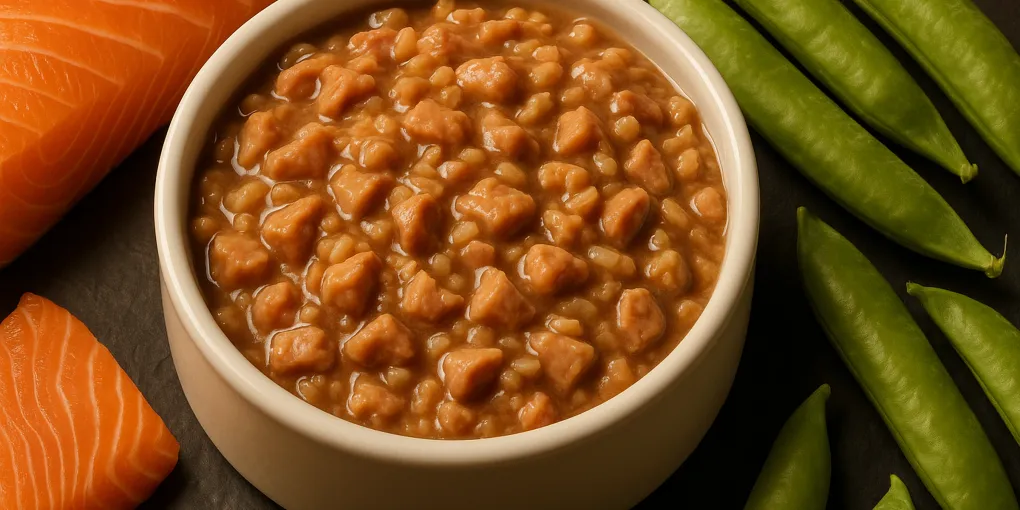
Purina Pro Plan Sensitive Skin & Stomach Review: Best Salmon-Based
Purina Pro Plan’s salmon formula offers a different main protein for cats that react to chicken. Fish is itself one of the most commonly reported feline food allergens, alongside beef and chicken (Mueller et al., 2016), so it is only a novel protein for cats that have not eaten fish before.
Pros:
- Salmon as #1 ingredient — a different main protein for cats that react to chicken
- No chicken, beef, corn, or wheat
- Highly digestible formula
- Omega-3 from salmon supports skin and coat alongside GI health
- No artificial colors or flavors
Cons:
- Not suitable for cats with fish sensitization (less common but documented)
- Lower palatability ceiling than chicken-based formulas for some cats
We may earn a commission if you buy through our links.
Blue Buffalo Sensitive Stomach Review: Best Widely Available Option
Blue Buffalo’s Sensitive Stomach chicken and rice formula is available at most major retailers including Walmart, Target, and pet stores — a meaningful advantage for cat owners without access to specialty pet supply stores or who prefer same-day availability.
Safety and ingredients: No current recalls on chicken & rice formula. Previous quality issues on other Blue Buffalo products (2010, 2017) resolved; current manufacturing is AAFCO-compliant. LifeSource Bits are cold-formed to preserve antioxidant potency.
Pros:
- Real deboned chicken as #1 ingredient
- Easily available at mass-market retailers
- No corn, wheat, or soy
- LifeSource Bits antioxidant/vitamin blend
- Competitive pricing
Cons:
- Still chicken-based — not suitable for chicken-sensitized cats
- Historical quality incidents (resolved but documented)
- LifeSource Bits may separate during storage
We may earn a commission if you buy through our links.
Comparison: Best Cat Food for Sensitive Stomach
We may earn a commission if you buy through our links.
| Product | Primary Protein | Digestibility | Prebiotic Fiber |
|---|---|---|---|
| Hill’s Science Diet SS | Chicken | >89% | Yes (FOS + beet pulp) |
| Royal Canin Digest | Poultry | Very high | Yes (FOS + psyllium) |
| Purina Pro Plan SS | Salmon | High | Yes |
| Blue Buffalo SS | Chicken | Good | Limited |
Which Cat Food for Sensitive Stomach Is Right for Your Cat?
Hill’s Science Diet Sensitive Stomach is right for cats with mild-to-moderate digestive sensitivity, normal chicken tolerance, and owners who want a widely available OTC sensitive formula.
Purina Pro Plan Sensitive (Salmon) is right for cats with confirmed or suspected chicken/beef sensitization — this is the best OTC novel-protein option at this price point.
Royal Canin Digest Sensitive is right for cats where the primary symptom is soft stools or flatulence rather than vomiting — the comprehensive fiber blend is its key differentiator.
Blue Buffalo Sensitive Stomach is right for cats with mild dietary sensitivity where maximum retail availability and slightly lower cost are priorities.
For cats with severe, recurrent GI symptoms or confirmed food allergy, consider a veterinary consultation. Prescription hydrolyzed protein diets (Hill’s z/d, Royal Canin Hydrolyzed Protein HP) are the gold standard for true food allergy and require veterinary oversight. See our best cat supplements guide for probiotic supplements that can support GI health alongside dietary management, and our best wet cat food guide for moisture-rich options that can be combined with dry sensitive stomach formulas.
Frequently Asked Questions
How long does it take for cat food for sensitive stomachs to work?
Most cats show improved stool consistency and reduced vomiting within 2–4 weeks on a new sensitive stomach formula. Food-allergic cats undergoing a proper elimination diet trial require 8–12 weeks to fully evaluate response. Transition gradually over 7–10 days by mixing increasing proportions of the new food with the current diet — abrupt switches worsen GI upset in sensitive cats.
What ingredients should I avoid in cat food for sensitive stomachs?
Avoid proteins your cat has been repeatedly exposed to. Beef, fish, and chicken are the most commonly reported food allergens in cats (Mueller et al., 2016, PMID: 26753610). Also avoid artificial preservatives and propylene glycol (prohibited in cat food by FDA). Grain-free formulas are not inherently better for sensitive stomachs.
Is hydrolyzed protein cat food better than limited-ingredient cat food?
Hydrolyzed protein diets are more reliably hypoallergenic — proteins are broken into peptides too small to trigger immune responses. Limited-ingredient diets reduce allergen exposure but don’t guarantee hypoallergenic status. For confirmed food allergy, prescription hydrolyzed diets are preferred over OTC sensitive stomach formulas.
Can a cat eat sensitive stomach food long-term?
Yes. All AAFCO-compliant sensitive stomach formulas reviewed here are appropriate for long-term adult maintenance feeding. They are not caloric-restricted or nutritionally incomplete. Reassess annually with your veterinarian.
My cat vomits hairballs — does sensitive stomach food help?
Sensitive stomach food addresses food intolerance-related vomiting. Hairball vomiting requires a dedicated hairball control formula (fiber-based) or lubricant remedy. See our best cat hairball remedy guide for targeted solutions.
Final Verdict
Hill’s Science Diet Sensitive Stomach & Skin earns Best Overall for its documented digestibility, prebiotic fiber system, and clean safety record. Royal Canin Digest Sensitive is the best choice when the primary concern is stool quality and the comprehensive fiber blend is the differentiator. Purina Pro Plan Sensitive Skin & Stomach in Salmon is the clearest choice for cats with chicken sensitization. Blue Buffalo Sensitive Stomach is the most accessible option for mild sensitivity.
Citations: Mueller RS, Olivry T, Prélaud P (2016) BMC Vet Res 12:9 (PMID: 26753610); Guilford WG et al. (2001) J Vet Intern Med 15(1):7-13 (PMID: 11215916)