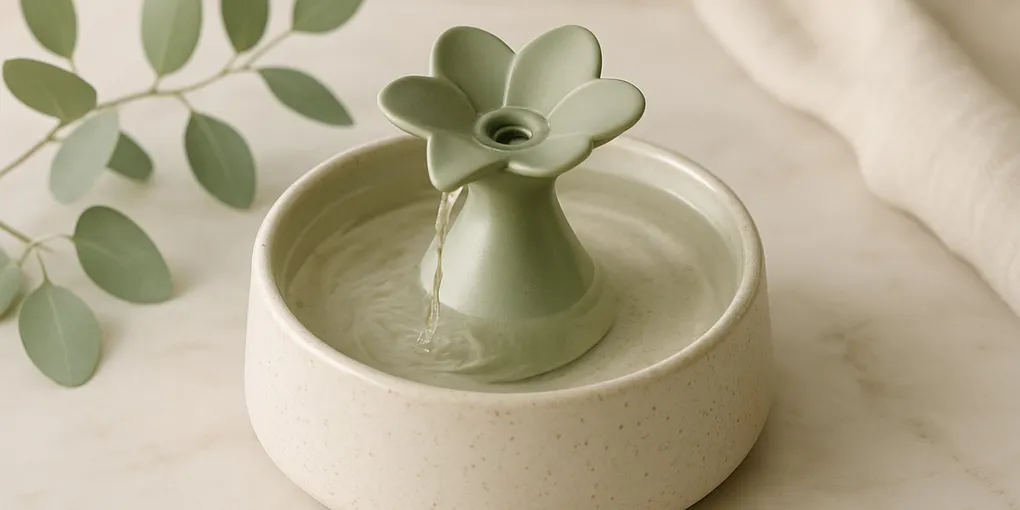
stainless steel cat water fountain
Best fitBest for: .
Varies
Quick picks
| Product | Key Specs |
|---|---|
| See price on Amazon |
|
| See price on Amazon |
|
| See price on Amazon |
|
Product availability, certifications, and retailer details can change; check the current Amazon page before buying.
How We Score Cat Water Fountains
| Criterion | Weight | Score | Weighted | Why it matters here |
|---|---|---|---|---|
| Research | 30% | 8.0 | 2.40 | Hydration is clinically important, and feline preference for water placement/freshness is recognized, but product-specific evidence is limited. |
| Evidence Quality | 25% | 7.5 | 1.88 | Material hygiene and water availability are strong practical factors; claims that fountains prevent disease are not proven. |
| Value | 20% | 8.0 | 1.60 | A fountain can be worthwhile for cats that drink more from moving water, but only if cleaning and filter costs are realistic. |
| User Signals | 15% | 8.0 | 1.20 | Reviews are useful for pump noise, cleaning difficulty, and durability, while hydration claims require skepticism. |
| Transparency | 10% | 9.0 | 0.90 | This guide recommends material categories and maintenance standards rather than one universal product. |
| Composite Score | 8.0/10 | A good tool for water access and preference testing, not a medical treatment. |
The Short Version
The best cat water fountain is not simply the one with the cutest flower spout or the most filters. It is the one your cat will use and you will clean. For most households, that points to a stainless steel or ceramic fountain with a quiet pump, shallow drinking surface, easy disassembly, and available replacement filters. Plastic can work, but scratched plastic holds biofilm and odor more easily, so it demands more frequent replacement.
Cats are desert-adapted animals with a low thirst drive compared with many species. That does not mean they do not need water; it means they may not respond to dehydration by drinking as obviously as a dog would. Wet food, multiple water stations, and fresh water matter. A fountain can help some cats because movement, sound, and freshness cues make water more attractive. But a fountain is not a treatment for urinary disease, kidney disease, diabetes, vomiting, constipation, or sudden appetite change. Those signs belong with a veterinarian.
Best Overall Material: Stainless Steel
Stainless steel is durable, nonporous, and generally easier to sanitize than plastic. It resists odor, does not stain easily, and tolerates repeated washing. For many homes, a stainless fountain is the safest default if the shape is cat-friendly and the pump can be cleaned thoroughly.
Best for: multi-cat homes, cats prone to chin acne, owners who want dishwasher-safe parts, and anyone who has thrown away smelly plastic bowls.
Watch for: cheap thin metal, sharp seams, hard-to-remove pump housings, and proprietary filters that are expensive or unavailable.
Search: Search Amazon for stainless steel cat water fountain.
Look for a broad top tray rather than a narrow drinking slot. Many cats dislike pressing whiskers into tight spaces. Capacity should match the number of cats, but bigger is not always better if it makes you delay cleaning.
Best Heavy Option: Ceramic
Ceramic fountains can be stable, attractive, and hygienic when the glaze is high quality and intact. Their weight helps cats that push bowls around. The downside is breakage. A chipped ceramic fountain should be replaced because cracks and chips can harbor grime and may expose unsafe surfaces depending on manufacturing quality.
Best for: quiet kitchens, cats that tip lightweight bowls, and owners who prioritize appearance plus hygiene.
Watch for: heavy basins that are awkward to wash, fragile spouts, glaze defects, and pump cavities that are hard to scrub.
Search: Search Amazon for ceramic cat water fountain.
Ceramic is only as good as your cleaning routine. If the fountain is so heavy or complicated that you avoid washing it, choose stainless steel instead.
Budget Choice: Plastic, With Conditions
Plastic fountains are inexpensive and lightweight. They often offer creative flow patterns and large capacities. The problem is surface wear. Scratches create places for biofilm and odor to persist. Some cats also develop chin irritation when bowls or fountains are not kept clean, although multiple factors can contribute.
Best for: testing whether a cat likes fountains before upgrading, temporary use, or owners with limited budgets.
Watch for: scratches, cloudy surfaces, slime, odor, weak pumps, and parts that cannot be reached with a brush.
Search: Search Amazon for BPA free cat water fountain.
If you buy plastic, treat it as a shorter-life product. Replace when scratched or smelly and clean more aggressively than you would with steel.
Quiet Pump and Easy Cleaning Matter More Than Fancy Flow
A fountain fails when the pump is noisy or the cleaning process is annoying. Cats may avoid loud vibration, and owners may unplug a fountain that hums across the room. Look for reviews mentioning pump replacement, motor noise after several months, and whether hair reaches the impeller. A good fountain lets you remove the pump, open the pump cover, clean the impeller, and scrub the water path.
Filter count is not a substitute for cleaning. Charcoal filters can improve taste and catch debris, but they do not make stagnant equipment sanitary. Biofilm still develops on surfaces. Plan on weekly disassembly. In homes with long-haired cats, multiple cats, or dusty litter areas, clean more often.
Shape: Think Whiskers, Access, and Escape Routes
Cats often prefer wide, shallow drinking surfaces. A narrow bubbling flower may be cute, but some cats dislike touching whiskers to plastic petals or drinking from a crowded stream. Senior cats may need a fountain placed where they do not have to climb stairs or compete with younger cats. Timid cats may avoid water stations placed in corners where another pet can trap them.
Use more than one water station even if you buy a fountain. Put a plain bowl elsewhere. If the power goes out, the pump fails, or one cat guards the fountain, the other station prevents a single point of failure.
Hydration Strategy Beyond the Fountain
The strongest hydration upgrade for many cats is wet food. Canned diets contain far more moisture than dry kibble. If your veterinarian approves, adding water to wet food can increase intake further. For cats on prescription urinary or kidney diets, follow the veterinary plan and ask before changing foods or adding broths.
Broths must be cat-safe: no onion, garlic, high salt, or unsafe additives. Do not use essential oils or flavor drops in the fountain. If you want to encourage drinking, freshness and placement are safer than gimmicks.
Testing Whether Your Cat Actually Benefits
Do a two-week trial. Keep the old water bowl available. Add the fountain in a separate location. Measure approximate refill volume, but interpret carefully because evaporation and spills confuse the data. More useful signs include visible drinking frequency, normal litter clump size, acceptance by all cats, and whether the fountain stays clean enough for daily use.
If the cat ignores the fountain but drinks from the old bowl, that is not failure; it is preference data. Try changing location, removing a splashy spout, or using a quieter flow. If the cat still prefers the bowl, keep the bowl. The goal is water intake, not gadget use.
Red Flags: Do Not Solve These With a Fountain
See a veterinarian if your cat urinates more than usual, strains, produces tiny clumps, has blood in urine, loses weight, vomits, drinks dramatically more, stops eating, or hides. Increased thirst can be a sign of kidney disease, diabetes, hyperthyroidism, infection, or other conditions. A fountain may make the symptom easier to observe, but it does not explain the cause.
Bottom Line
Choose stainless steel for most homes, ceramic if you want a stable heavy basin and will handle it carefully, and plastic only with a strict replacement mindset. Prioritize quiet operation, full pump access, shallow whisker-friendly drinking surfaces, and weekly cleaning. Keep a backup bowl, use wet food when appropriate, and treat urinary or thirst changes as veterinary issues.
Placement Plan for Multi-Cat Homes
In a multi-cat home, the fountain should not be the only premium water source. Place one station in the main living area and another in a quiet route that does not require passing a dominant cat. If a cat drinks only when others are asleep, that is a resource-pressure signal. Add distance, visual barriers, and separate routes before assuming the cat dislikes the fountain.
Keep water away from litter boxes and, for many cats, away from the food bowl. Some cats drink more when water is placed in a separate location. This is easy to test: put a plain ceramic or stainless bowl in a hallway, bedroom, or office for two weeks and observe whether it empties faster than the kitchen bowl. The winning location is often more important than the expensive device.
Maintenance Cost Checklist
Before buying, check the filter price, pump replacement availability, cord design, and whether the manufacturer sells replacement lids or spouts. A cheap fountain with proprietary filters can become expensive over a year. A fountain that cannot get a replacement pump becomes trash when the motor fails. If reviews repeatedly mention slime in hidden channels, leaks around the cord, or filters that arrive unavailable, choose a simpler model.
A cleaning brush kit is worth buying if it helps you open the pump and scrub narrow channels. Search: Search Amazon for cat fountain cleaning brush kit. Keep the brush with the cat supplies so weekly cleaning is frictionless. The best fountain is the one that stays in service because maintenance is boring, visible, and easy.
Filter Reality: What They Do and Do Not Do
Most fountain filters combine a debris layer with activated carbon. They can catch hair, reduce some odors, and improve taste. They do not sterilize the fountain, remove every dissolved contaminant, or make old water new forever. If the basin feels slippery, smells stale, or has visible film, the answer is washing, not another filter.
Homes with hard water should watch mineral buildup. White scale around the pump or spout can reduce flow and make the motor louder. Use the cleaning approach recommended by the manufacturer, and avoid harsh residues that could leave the water unappealing. If your local water tastes strongly of chlorine or minerals, a separate household water filter may improve acceptance more than a fancy fountain feature.
Transitioning a Cat to a Fountain
Introduce the fountain without removing the old bowl. Put the new fountain nearby but not directly against the food dish or litter box. Run it during calm hours first. Some cats need to inspect the device while it is off, then again with a low flow. If the fountain has multiple spout attachments, start with the quietest surface ripple rather than a splashy stream.
Reward curiosity indirectly. Do not carry the cat to the fountain or push its face toward the water. That can create avoidance. Instead, keep the fountain clean, quiet, and accessible. If the cat begins using it, leave the backup bowl in place for at least several weeks. A cat fountain is a resilience tool only when the cat has choices.
Apartment and Travel Considerations
For small apartments, noise and splash control matter. A beautiful fountain that hums at night will be unplugged, which means it has failed. For travel, do not introduce a new fountain right before leaving a sitter in charge. Set it up weeks earlier, teach the sitter how to clean and refill it, and keep plain bowls available. Reliability beats novelty when the owner is away.
Sources
- Cornell Feline Health Center resources on feline hydration and urinary signs.
- Merck Veterinary Manual entries on feline lower urinary tract disease and kidney disease.
- AAFP/ISFM feline environmental needs guidance on resource placement.
- WSAVA Global Nutrition Committee resources on diet, hydration, and body condition.
Frequently Asked Questions
- Some cats do because moving water is more interesting and may taste fresher, but fountains are not guaranteed hydration therapy. Wet food, multiple water stations, and veterinary care matter too.
- Stainless steel and glazed ceramic are usually easier to keep clean than scratched plastic. The safest choice is the one you will fully disassemble, wash, and maintain.
- Rinse and refill frequently, wash the basin and pump parts at least weekly, and change filters on the schedule recommended by the manufacturer or sooner if slime, hair, or odor appears.
- They may support water intake, but cats with urinary signs need veterinary diagnosis. A fountain cannot treat crystals, obstruction, kidney disease, diabetes, or cystitis.