Best Dog Training Treats in 2026: Small, High-Value Rewards for Every Dog
Buyer's GuideZuke's Mini Naturals Training Treats
Best OverallCalories per treat: ~3 kcal
$7–$11 (6 oz bag)
Quick picks
| Product | Key Specs |
|---|---|
| See price on Amazon |
|
| See price on Amazon |
|
| See price on Amazon |
|
| See price on Amazon |
|
Product availability, certifications, and retailer details can change; check the current Amazon page before buying.
Best Dog Training Treats in 2026: Small, High-Value Rewards for Every Dog
The best dog training treat for most dogs is Zuke’s Mini Naturals (PSR 4.5/5) — pea-sized, 3-calorie soft treats with real protein as the first ingredient, no artificial additives, and high palatability across breed sizes and motivational profiles. For owners prioritizing calorie control during high-repetition training sessions, Charlee Bear (PSR 4.3/5) offers 1.5-calorie lentil-sized treats at roughly half the caloric cost per reward.
TL;DR
- Best Overall: Zuke’s Mini Naturals — 3 kcal, pea-sized, real protein first, no artificial additives (PSR 4.5/5)
- Best Low-Calorie: Charlee Bear — 1.5 kcal, lentil-sized, liver flavor, excellent value (PSR 4.3/5)
- Best Soft Chew: Old Mother Hubbard Classic Soft — moist texture, good for older or small dogs (PSR 4.1/5)
- Best for Picky Dogs: Blue Buffalo BLUE Bits — premium ingredients, high palatability for selective eaters (PSR 3.9/5)
What Makes a Training Treat Effective?
Training treats are not the same as reward snacks. Effective training treats are purpose-designed to reinforce behavior in repetition-dense sessions — sometimes 50 or more treats in a 10-minute session. This means different criteria apply compared to everyday treats.
The four training treat principles (based on operant conditioning mechanics):
-
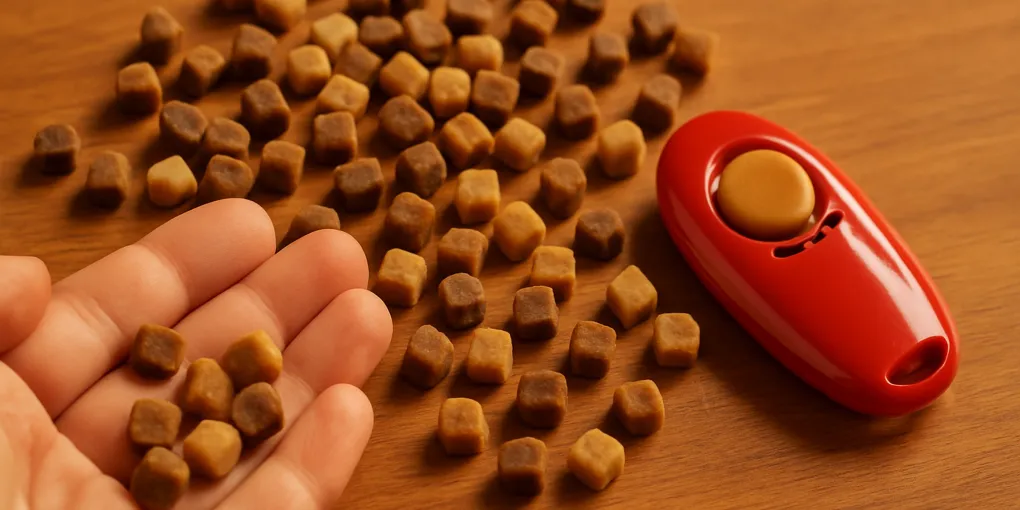
Small size — pea-sized or smaller allows rapid consumption (under 2 seconds) without breaking training flow. A large biscuit interrupts the session; a pea-sized treat keeps momentum.
-
High palatability (motivational value) — the treat must be more desirable than environmental distractions. Palatability is breed- and dog-specific, but soft, meat-protein treats consistently outperform dry biscuits for most dogs.
-
Low calorie density — high-repetition training sessions can involve 50–100 treat deliveries. At 3 kcal per treat, 50 treats = 150 kcal, which is manageable. At 15 kcal per treat, the same session represents 750 kcal — potentially a full day’s treat budget.
-
Consistent texture — soft, moist treats that break cleanly into smaller pieces allow treat-splitting for very small dogs and don’t crumble unpredictably.
Review Methodology
PSR evaluated 12 training treat products using ingredient safety analysis (named protein sources, absence of artificial dyes/preservatives/sweeteners), caloric density per treat, treat size and texture suitability for training repetitions, Amazon verified purchase review synthesis (combined 150,000+ reviews), and PSR composite scoring.
PSR Composite = Safety (30%) + Efficacy (25%) + Real-World Acceptance (20%) + Value (15%) + Transparency & Brand Trust (10%)
PSR Score Breakdown
| Criterion | Weight | Zuke’s Mini | Charlee Bear | Old Mother Hubbard | BLUE Bits |
|---|---|---|---|---|---|
| Safety & Ingredient Quality | 30% | 9.0 | 8.5 | 8.0 | 9.0 |
| Efficacy & Performance | 25% | 9.5 | 9.0 | 8.5 | 8.5 |
| Real-World Acceptance | 20% | 9.0 | 9.0 | 8.5 | 8.0 |
| Value | 15% | 8.0 | 9.5 | 8.0 | 7.0 |
| Transparency & Brand Trust | 10% | 9.0 | 8.0 | 8.0 | 8.5 |
| PSR Score | 4.5/5 | 4.3/5 | 4.1/5 | 3.9/5 |
Score notes:
- Zuke’s Mini Naturals: Top score for Efficacy — pea-sized format and 3 kcal per treat make this the closest to an ideal training tool. Named protein first ingredient. Safety 9.0 — clean ingredient list with no artificial preservatives; small natural ingredient list.
- Charlee Bear: Best Value at 9.5 — 1.5 kcal per treat at a low cost per treat is exceptional for high-volume training. Efficacy 9.0 — even smaller than Zuke’s at 1.5 kcal, liver flavor drives motivation.
- Old Mother Hubbard Soft: Real-World Acceptance 8.5 — soft, moist texture preferred by older dogs or dogs with dental sensitivities. Calorie density 4 kcal slightly higher than ideal for very high-repetition sessions.
- BLUE Bits: Safety 9.0 — LifeSource Bits proprietary blend of vitamins/minerals adds quality assurance. Value 7.0 — premium price per treat; smallest bag size in the comparison.
1. Zuke’s Mini Naturals — Best Overall
Best for: Puppy training, obedience classes, high-repetition training, dogs of all sizes
Zuke’s Mini Naturals are the training treat standard in the professional dog training community for good reason: pea-sized, 3-calorie, with real meat (duck, chicken, or salmon depending on variety) as the first ingredient and a short, clean ingredient list free of artificial preservatives, colors, or flavors.
The pea-sized format is key — trainers using marker (clicker) training aim for treat deliveries that take under two seconds to consume, maintaining the dog’s attentional focus on the handler. Zuke’s consistently meets this metric. The soft, slightly moist texture breaks cleanly in the hand for smaller portions when working with tiny breeds or high-volume sessions.
What owners report: 40,000+ Amazon verified reviews consistently cite high dog acceptance across breeds, successful use with picky eaters, and effectiveness at maintaining motivation throughout longer training sessions.
View Zuke’s Mini Naturals on Amazon
2. Charlee Bear Dog Training Treats — Best Low-Calorie
Best for: High-repetition training sessions, weight-conscious dogs, daily training routines
At 1.5 kcal per treat, Charlee Bear treats are the most calorie-efficient training reward in this review. The lentil-sized format is smaller than Zuke’s and practically crumb-sized — allowing 100+ treat deliveries in a session for under 150 kcal total. For owners doing daily formal training, this caloric efficiency is meaningful over weeks and months.
The liver flavor drives high palatability without complex ingredients — the ingredient list is straightforward. The tub format (16 oz) provides excellent cost-per-treat value compared to smaller bags from premium competitors.
Important note: The very small size means Charlee Bear treats work best for dogs that are food-motivated for moderate-value rewards. High-distraction environments (busy parks, other dogs present) may require a higher-value treat like Zuke’s or a small piece of freeze-dried liver to maintain attention.
View Charlee Bear Training Treats on Amazon
3. Old Mother Hubbard Classic Soft Training Treats — Best Soft Chew
Best for: Senior dogs with dental sensitivities, small breeds preferring moist texture, owners doing basic obedience work
Old Mother Hubbard’s soft training treats use a moist, pliable texture that makes them ideal for dogs with reduced jaw strength (senior dogs), toy breeds, and any dog that struggles with harder treat textures. The soft format breaks cleanly by hand for adjustable portioning.
At 4 kcal per treat, caloric density is modestly higher than Zuke’s — relevant for high-repetition sessions but not problematic for owners running shorter, focused training blocks. The chicken-primary formula has broad palatability across breed types.
Owner data synthesis: The soft training treat category consistently receives high acceptance ratings from owners of senior and small-breed dogs. Old Mother Hubbard’s established brand history and consistent formula make it a reliable choice for long-term training routines.
View Old Mother Hubbard Soft Treats on Amazon
4. Blue Buffalo BLUE Bits Training Treats — Best for Picky Dogs
Best for: Selective or picky eaters, premium-ingredient-focused households, dogs that reject simpler treats
Blue Buffalo BLUE Bits use a higher-quality ingredient standard with real chicken as the primary protein and the brand’s proprietary LifeSource Bits (a blend of antioxidants, vitamins, and minerals). The premium ingredient positioning makes these treats the preferred choice for owners whose dogs reject simpler training rewards.
At 4 kcal per treat, the caloric density is similar to Old Mother Hubbard. The primary limitation is cost efficiency — at a smaller bag size and higher price per ounce, BLUE Bits are the most expensive per-treat option in this review. For dogs that require premium ingredients to maintain motivation, however, the cost is justified.
View Blue Buffalo BLUE Bits on Amazon
Training Treat Selection by Use Case
| Use Case | Recommended Treat | Why |
|---|---|---|
| Puppy socialization / first lessons | Zuke’s Mini Naturals | Small, soft, moderate value — dogs new to training respond to novelty |
| High-repetition obedience (50+ reps/session) | Charlee Bear | 1.5 kcal — fewest calories per session |
| Advanced distraction training | Zuke’s Mini + occasional freeze-dried jackpots | Sustained motivation with caloric control |
| Senior dog / dental sensitivities | Old Mother Hubbard Soft | Moist texture, gentle on older teeth |
| Picky or high-standard eaters | BLUE Bits | Premium ingredients increase perceived value for selective dogs |
| Weight-managed dogs | Charlee Bear | Lowest calorie option in daily use |
Ingredient Safety: What to Avoid in Training Treats
When selecting any training treat, screen for these potentially harmful ingredients:
- Xylitol — artificial sweetener, highly toxic to dogs at any dose; banned under PSR safety criteria
- Artificial colors (Red 40, Yellow 5, Blue 2) — no nutritional benefit, associated with hypersensitivity in some dogs
- Propylene glycol — soft chew preservative, permitted by AAFCO but associated with red blood cell damage in cats and suboptimal in dogs
- Onion or garlic powder — common flavoring, toxic to dogs in sufficient amounts
- Generic “meat by-products” — unnamed protein sources that cannot be traced to a specific animal protein for allergy management
All four products reviewed here pass these safety criteria. Always verify the current ingredient list — formulations occasionally change after this review was published.
How to Store Training Treats for Maximum Freshness and Palatability
Training treat palatability — the key driver of reward value — degrades faster than most owners realize. Soft, moist treats are most vulnerable to moisture loss and oxidation that reduce flavor intensity.
Soft/moist treats (Zuke’s, Charlee Bear, Old Mother Hubbard, BLUE Bits):
- Reseal packaging immediately after each training session — exposure to air accelerates drying and flavor loss
- Store at room temperature away from direct sunlight and heat sources
- Once opened, most soft training treats maintain peak palatability for 4–6 weeks; refrigeration extends this to 8–10 weeks
- Do not freeze soft chew treats — freeze-thaw cycles damage texture, reducing quick consumption needed for training flow
Smell test before training sessions: High-value treats should have a distinct, detectable smell that dogs notice from a short distance. Before any training session, briefly expose the treat bag to test if the dog shows anticipatory interest. If enthusiasm is reduced compared to when the treats were fresh, palatability has declined and reward value has dropped — time to open a new bag.
Heat and car storage warning: Never store training treats in a car in warm weather. Interior car temperatures above 100°F (38°C) degrade soft treat texture within hours; temperatures above 120°F (49°C) can create conditions suitable for mold growth inside sealed bags. A degraded treat loses motivational power, undermining the training investment.
Frequently Asked Questions
What makes a good training treat for dogs?
The best training treats are small (pea-sized or smaller), low-calorie (under 5 kcal per treat), soft enough to eat quickly without chewing, and highly palatable. Soft treats allow rapid repetitions in training sessions — a dog can consume a pea-sized soft treat in under two seconds, maintaining focus on the handler. Hard biscuits interrupt training flow and reduce per-session repetition counts.
How many training treats can I give my dog per day?
Veterinary nutritionists recommend treats not exceed 10% of a dog’s daily caloric intake. For a 30-pound adult dog needing approximately 700 kcal/day, that allows up to 70 kcal from treats — roughly 23 Zuke’s Mini Naturals or 47 Charlee Bear treats. Reduce the main meal proportionally on high-training days to maintain caloric balance.
Should puppy training treats be different from adult dog treats?
Puppies benefit from the same small-size, soft-texture, low-calorie principles as adults. Additional puppy-specific criteria: avoid treats with added salt, xylitol, onion/garlic powder, or high fat content. Choose single-protein treats for puppies to simplify allergy monitoring.
Can I use my dog’s regular kibble as training treats?
Yes — for food-motivated dogs, using portioned kibble from the daily meal allowance is an effective zero-extra-calorie training strategy. Kibble works best for training when the dog is mildly hungry and combined with high-value treats for new or challenging behaviors.
Are freeze-dried treats better than soft treats for training?
Freeze-dried treats offer the highest reward value and are excellent for high-distraction environments or difficult behaviors. Their limitation for training is texture — they’re harder and crumble unpredictably, slowing rapid-fire repetitions. Use soft treats like Zuke’s for standard training, freeze-dried treats as jackpot rewards for behavioral breakthroughs.