Omega-3 Fatty Acids for Dogs: What Veterinary Research Actually Says
Evidence ExplainerQuick picks
| Product | Key Specs |
|---|---|
| See price on Amazon |
|
| See price on Amazon |
|
Product availability, certifications, and retailer details can change; check the current Amazon page before buying.
How PetScienceReview Evaluates Evidence
When assessing research quality for pet health topics, PetScienceReview uses its five-factor composite scoring methodology. Evidence articles are evaluated on:
| Factor | Weight | What We Assess |
|---|---|---|
| Safety & Ingredient Quality | 30% | Adverse event profiles, regulatory standing, species-specific safety data |
| Efficacy & Performance | 25% | Study design quality (RCT vs. observational), effect size, replication |
| Real-World Pet Acceptance | 20% | Palatability data, compliance rates, documented owner-reported outcomes |
| Value | 15% | Cost-effectiveness at evidence-supported doses vs. comparable options |
| Transparency & Brand Trust | 10% | Third-party testing, NASC certification, ingredient sourcing disclosure |
PSR Composite scores in this article reflect the overall strength of the evidence base, not individual product ratings.
What Veterinary Research Shows About Omega-3 for Dogs
Omega-3 fatty acids — specifically EPA (eicosapentaenoic acid) and DHA (docosahexaenoic acid) from marine sources — are among the most studied dietary supplements in veterinary medicine. Unlike many pet health supplements that lack rigorous clinical data, EPA and DHA have been evaluated in randomized controlled trials, mechanistic studies, and systematic reviews. The research supports several specific applications in dogs, with the strongest evidence for joint inflammation and cardiac disease.
The key finding: omega-3 supplementation in dogs is not a generic “health booster.” It has documented mechanistic effects in specific conditions at specific doses. Understanding what the research actually shows — and what it doesn’t — is necessary for using it appropriately.
EPA and DHA vs. ALA: Why the Source Matters
Not all omega-3s are equivalent in dogs. Plant-based omega-3 sources — flaxseed oil, hemp oil, chia seeds — provide alpha-linolenic acid (ALA), which the body can theoretically convert to EPA and DHA. In dogs, this conversion is minimal.
Bauer JE (2011, J Am Vet Med Assoc, 239(11):1441–1451, PMID: 22087720) reviewed the metabolic pathway in companion animals and found that dogs convert ALA to EPA at rates below 5% — far too low to deliver meaningful EPA+DHA levels from plant-source omega-3s alone. This means flaxseed oil and hemp oil are not appropriate substitutes for fish oil when the goal is anti-inflammatory or cardiovascular EPA+DHA delivery.
The appropriate omega-3 sources for dogs are:
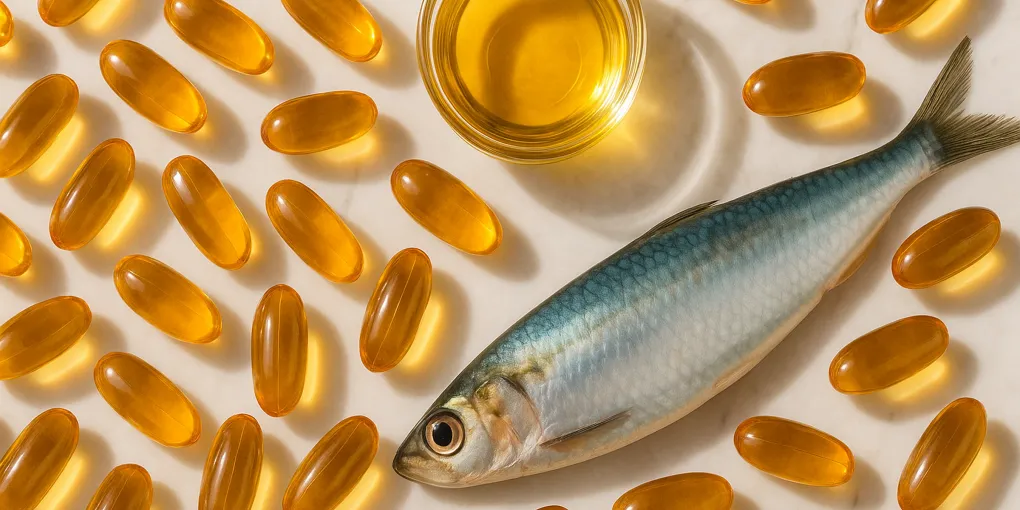
- Marine fish oil (sardine, anchovy, mackerel, salmon) — highest EPA+DHA concentration
- Krill oil — lower EPA+DHA per unit but includes phospholipid-bound forms with potentially different bioavailability
- Algae-based EPA+DHA — plant-derived but directly provides the active forms; appropriate for owners avoiding fish products
- Prescription veterinary omega-3 formulations — standardized EPA+DHA concentrations for specific therapeutic dosing
When selecting a supplement, the label should state the EPA and DHA content per dose in milligrams — not just total omega-3 content. ALA content is not relevant for therapeutic dosing calculations.
What the Research Shows: Joint Health
The strongest clinical evidence for omega-3 supplementation in dogs is in osteoarthritis and joint inflammation. Two controlled trials are particularly cited in veterinary nutrition literature:
Roush JK, Cross AR, Renberg WC et al. (2010, J Am Vet Med Assoc, 236(1):67–73, PMID: 20043795) conducted a randomized, double-blind, placebo-controlled trial in dogs with osteoarthritis. Dogs receiving a diet supplemented with EPA+DHA at approximately 75 mg/kg/day showed significantly improved peak vertical force (a force plate measure of weight-bearing) and vertical impulse compared to controls. The improvement was clinically meaningful — not just statistically significant. The study used a prescription diet rather than standalone supplementation, but the EPA+DHA dose is the relevant finding for supplementation guidance.
Moreau M, Troncy E, Del Castillo JR et al. (2013, J Anim Physiol Anim Nutr, 97(5):830–837, DOI: 10.1111/j.1439-0396.2012.01310.x) evaluated fish oil supplementation at 40 mg/kg/day EPA+DHA in dogs with naturally occurring osteoarthritis and found significant reductions in synovial fluid prostaglandin E2 (PGE2) and leukotriene B4 (LTB4) concentrations. These are the primary pro-inflammatory mediators that drive joint pain and cartilage degradation in osteoarthritis. The reduction was mechanistic evidence that EPA+DHA is genuinely blocking the inflammatory pathway, not just associated with improvement through confounding factors.
Veterinary science indicates these findings: EPA+DHA supplementation at 40–75 mg/kg/day is a reasonable adjunct to conventional osteoarthritis management in dogs, with the stronger evidence at the higher end of that range for weight-bearing improvement.
What the Research Shows: Cardiac Disease
Dogs with dilated cardiomyopathy (DCM) and other forms of cardiac disease frequently develop cardiac cachexia — a metabolic syndrome involving muscle wasting despite adequate caloric intake. Freeman LM et al. (1998, J Vet Intern Med, 12(6):440–448, PMID: 9857337) identified omega-3 supplementation as a component of nutritional support for cardiac cachexia, finding that dogs with heart failure had lower EPA+DHA levels than healthy controls.
Freeman LM et al. (2010, J Am Anim Hosp Assoc, 46(3):159–165, PMID: 20427694) subsequently evaluated fish oil supplementation specifically in Boxers with arrhythmogenic right ventricular cardiomyopathy and found a significant reduction in ventricular premature contractions in the supplemented group. The reference dosing from these cardiac studies is approximately 40 mg EPA + 25 mg DHA per kg body weight per day.
Omega-3 supplementation in dogs with cardiac disease should be managed in consultation with a veterinary cardiologist. It is an adjunct, not a replacement, for conventional cardiac therapy.
What the Research Shows: Development and Cognition
Heinemann KM, Waldron MK, Bigley KE et al. (2005, J Nutr, 135(8):1960–1966, PMID: 16046722) studied the effect of long-chain omega-3 supplementation during gestation, lactation, and weaning in puppies and found that EPA+DHA supplementation significantly improved electroretinogram responses (visual acuity measure) compared to ALA supplementation at equivalent omega-3 dosing. This established that DHA specifically is necessary for normal visual and neurological development in puppies — and that ALA cannot substitute for DHA in developmental support.
In aging dogs, DHA’s role in neuronal membrane composition and cognitive function is biologically plausible and supported by mechanistic evidence, though long-term randomized controlled trials in dogs specifically are limited. Veterinary nutritionists generally support DHA supplementation in senior dogs as part of cognitive aging support, extrapolating from both mechanistic research and human neurology literature.
Safety and Potential Adverse Effects
Lenox CE and Bauer JE (2013, J Vet Intern Med, 27(2):217–226, PMID: 23406224) conducted a systematic review of potential adverse effects of omega-3 fatty acids in dogs and cats. Key findings:
Platelet aggregation: EPA+DHA at high doses inhibits platelet aggregation and prolongs bleeding time. This is clinically relevant in dogs scheduled for surgery, dogs with bleeding disorders, or dogs on anticoagulant medications (aspirin, warfarin, heparin, clopidogrel). Omega-3 supplementation should be discontinued 7–10 days before elective surgery.
Gastrointestinal effects: Soft stool, diarrhea, and fishy breath are the most common side effects, particularly during initiation and at higher doses. Starting at a lower dose and titrating upward over 2–3 weeks reduces GI side effects.
Immunosuppression: Very high doses (well above therapeutic ranges) may impair immune function in dogs. This is primarily a concern at doses far above what is typically supplemented.
Oxidized oil: Rancid fish oil (identifiable by a strong rancid or off smell) can be pro-oxidative and cause harm. Fish oil quality is important — purchase from brands that provide a certificate of analysis, store refrigerated after opening, and replace within 90 days of opening.
The NRC has not established a tolerable upper limit for EPA+DHA in dogs. Most veterinary nutritionists recommend not exceeding 300 mg/kg/day without veterinary supervision.
Dosing Reference for Dogs
| Application | EPA+DHA Daily Dose | Source |
|---|---|---|
| General maintenance (healthy adult dogs) | 30 mg/kg body weight | NRC adequate intake |
| Osteoarthritis / anti-inflammatory | 40–75 mg/kg body weight | Roush JK et al., 2010; Moreau M et al., 2013 |
| Cardiac support | 40 mg EPA + 25 mg DHA per kg | Freeman LM et al., 2010 |
| Puppy development (gestation/lactation) | ≥50 mg/kg body weight | Heinemann KM et al., 2005 |
How to calculate: Determine your dog’s weight in kg (pounds ÷ 2.2). Multiply by the target mg/kg dose. Check the fish oil label for EPA+DHA mg per capsule or per mL to determine serving size.
Example: A 25 kg (55 lb) dog targeting 75 mg/kg for joint support would need 1,875 mg EPA+DHA/day. A fish oil capsule containing 180 mg EPA + 120 mg DHA = 300 mg EPA+DHA per capsule, so approximately 6 capsules/day — or use a higher-concentration product.
Always consult your veterinarian before beginning supplementation, particularly at therapeutic doses.
Choosing a Fish Oil Product
Not all fish oil supplements are equivalent in quality:
Look for: EPA and DHA content listed separately in mg per serving. Third-party testing or a certificate of analysis. Small fish sources (sardine, anchovy, mackerel) which bioaccumulate fewer heavy metals than large predatory fish (tuna, salmon). IFOS (International Fish Oil Standards) certification indicates independent testing.
Avoid: Products listing only “total omega-3” without specifying EPA and DHA separately. Products with rancid or strongly fishy odor at opening. Cod liver oil at high doses (high vitamin A content can cause toxicity at supplementation doses in dogs).
Veterinary-formulated omega-3 products (Welactin, Nordic Naturals Omega-3 Pet, Zesty Paws Wild Alaskan Salmon Oil) provide standardized EPA+DHA concentrations that make dosing calculation more reliable than human fish oil capsules.
Recommended products:
Frequently Asked Questions
How much omega-3 should I give my dog?
The National Research Council established an adequate intake (AI) for EPA+DHA in adult dogs at 30 mg/kg body weight per day for general maintenance. For anti-inflammatory applications, veterinary research supports higher doses: Roush JK et al. (2010, PMID: 20043795) demonstrated meaningful improvement in weight-bearing in dogs with osteoarthritis at approximately 75 mg/kg EPA+DHA per day. Always consult your veterinarian before initiating supplementation.
Is fish oil safe for dogs?
Fish oil is generally well tolerated in dogs at appropriate doses. Documented adverse effects include soft stool and mild gastrointestinal upset, prolonged bleeding time at high doses, and fish breath. Lenox CE and Bauer JE (2013, J Vet Intern Med, PMID: 23406224) reviewed potential adverse effects, noting that impaired platelet aggregation at high doses is the most clinically relevant concern. Dogs on anticoagulant medications or scheduled for surgery should have omega-3 supplementation reviewed by a veterinarian first.
Can dogs get omega-3 from flaxseed oil?
Flaxseed oil provides alpha-linolenic acid (ALA), which dogs convert to EPA and DHA at below 5% efficiency (Bauer JE, 2011, JAVMA, PMID: 22087720). This is insufficient to deliver meaningful EPA+DHA levels. Marine fish oil or algae-based EPA+DHA supplements are the appropriate sources for dogs.
What health conditions benefit from omega-3 supplementation in dogs?
Veterinary research supports omega-3 EPA+DHA supplementation for osteoarthritis (Roush 2010; Moreau 2013), dilated cardiomyopathy and cardiac cachexia (Freeman 2010), inflammatory skin conditions, cognitive aging support, and hypertriglyceridemia. Evidence is strongest for joint and cardiac applications.
What is the difference between EPA and DHA in fish oil?
EPA is the primary anti-inflammatory omega-3, competitively inhibiting production of pro-inflammatory prostaglandins and leukotrienes. DHA supports neurological function, visual acuity, and cognitive aging. Most fish oil supplements contain both. For joint and skin applications, EPA-rich formulations are preferred. For cognitive support in senior dogs or puppy development, DHA content matters more.
Bottom Line
Veterinary research supports omega-3 EPA+DHA supplementation in dogs for specific, evidence-based applications — particularly osteoarthritis, cardiac disease, and neurological development. The evidence base for these indications is among the strongest in all of pet supplement science, with randomized controlled trials demonstrating meaningful clinical outcomes.
The key clinical points: use marine-source EPA+DHA (not flaxseed/ALA), dose by body weight based on the application, monitor for GI side effects and platelet effects at high doses, and choose quality-tested products. Supplementation at therapeutic doses should be initiated in consultation with your veterinarian.
Fish oil is not a cure-all — but for dogs with osteoarthritis, cardiac disease, or developmental needs, it is one of the few pet supplements with genuine clinical evidence behind it.