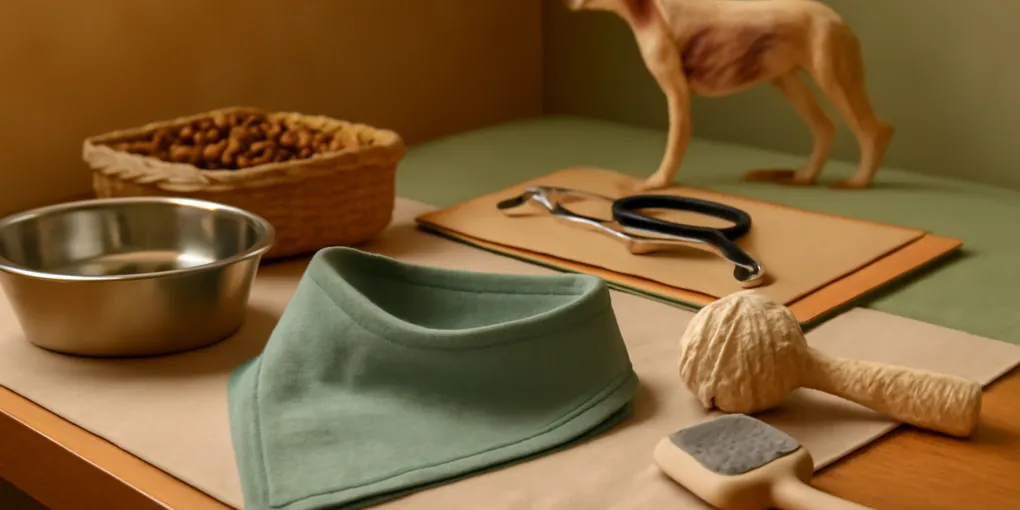
Do Dog Cooling Bandanas Work? When Evaporative Gear Helps and When It Is Not Enough
Evidence ExplainerQuick picks
Ruffwear Swamp Cooler Neck Gaiter
★ Top pick Best premium neck option- Best use: Short shaded walks with rewetting
- Caveat: Neck cooling is limited surface area
All for Paws Chill Out Ice Bandana
Budget bandana style- Best use: Low-intensity yard breaks
- Caveat: Fit and chewing supervision matter
Dog cooling vest
More coverage- Best use: Dogs needing more surface coverage
- Caveat: Still not for dangerous heat
Quick answer
A dog cooling bandana can help a little in mild, dry, low-intensity conditions when it is soaked, wrung out, fitted loosely, and rewetted before it dries. It is not enough for dangerous heat, humid afternoons, long runs, brachycephalic dogs, seniors with heart or airway disease, overweight dogs, or dogs already showing heat stress.
The useful way to think about a cooling bandana is narrow: it is a small evaporative pad around the neck. It may make a shaded sniff walk more comfortable. It does not change the dog’s core heat-risk category. If the weather is unsafe without the bandana, it is usually unsafe with the bandana.
For a more complete setup, compare this explainer with our dog cooling station protocol and our dog cooling vest evidence guide. Bandanas cover less surface area than vests, which makes their limits easier to reach.
Quick picks
- Search Amazon for Ruffwear Swamp Cooler Neck Gaiter if you want a premium neck-cooling design from an outdoor-dog brand.
- Search Amazon for dog cooling bandanas for lower-cost soaked-fabric options.
- Search Amazon for evaporative dog cooling vests if your dog needs more body coverage for short mild walks.
- Search Amazon for collapsible dog water bowl because water access matters more than neck fabric.
Why bandanas can feel cooler
Most cooling bandanas use evaporative cooling. Water in the fabric evaporates and can pull heat from the surface. This works best when the air is dry enough for evaporation and the fabric stays damp. It works poorly when humidity is high, when the bandana dries out, or when the dog is producing heat faster than the gear can shed it.
Dogs do not sweat across most of the body like humans do. They rely heavily on panting, behavior, shade-seeking, and limited paw-pad sweating. A wet bandana around the neck is only one small helper. It should never be used to justify a hotter walk, a longer route, or a midday errand.
When a cooling bandana makes sense
Use a bandana for short, low-intensity outings: a shaded potty walk, waiting in a covered training class area, a supervised yard break, or a calm stroll before sunrise. It can also be useful as a reminder to the human that this is a managed heat outing, not normal exercise.
The bandana should be damp but not dripping into the dog’s eyes or ears. You should be able to fit fingers under it. Remove it if the dog scratches at it, chews it, coughs, gags, or seems more bothered by the gear than helped.
When to skip the bandana and change the plan
Skip the walk if the pavement is hot, humidity is high, the dog is panting before leaving, or the route has no shade. Be extra conservative with flat-faced breeds, seniors, puppies, overweight dogs, dark-coated dogs in sun, dogs with heart or airway disease, and dogs not acclimated to heat.
Heat illness signs include heavy or abnormal panting, weakness, stumbling, glassy eyes, vomiting, diarrhea, collapse, confusion, seizures, or gums that look abnormal for that dog. Cooling gear is irrelevant at that point. Move to a cooler place, wet the dog with cool water, use airflow if available, and seek veterinary care urgently.
Fit and fabric checks
A cooling bandana should sit like a loose flat collar, not like a training collar. After soaking and wringing, slide two fingers under the neck edge, check that snaps or knots have not tightened, and make sure no wet corner hangs low enough for the dog to chew while walking. Long-coated dogs may need the fabric lifted and refitted because damp fur can hide rubbing at the throat.
Avoid gel-pack or ice-pack bandanas for dogs that mouth fabric, because a punctured insert turns a comfort product into an ingestion problem. Rewet evaporative fabric before it dries; a dry bandana can become just another warm layer around the neck. On humid days, it may stay wet without cooling well, so watch the dog’s breathing, pace, shade-seeking, and willingness to keep moving rather than judging by the fabric alone.
Bandana versus vest versus mat
A bandana has the least coverage and is easiest to carry. A vest covers more body surface but can also become heavy, rub under the shoulders, or trap heat if used wrong. A cooling mat is for resting, not walking. Each tool has a different job.
For a healthy adult dog on a mild morning, a bandana may be enough comfort support. For a dog that overheats quickly, the better decision may be no walk, a shaded potty break only, indoor scent games, or a vet-guided conditioning plan.
A safer walk test
Before leaving, put your bare hand on the pavement, check the shade pattern for the full route, and decide the turnaround point. Carry water even for a short loop. If the dog slows, seeks shade, pants harder than usual, refuses treats, or pulls toward home, end the outing. A bandana is doing its job only if it supports an already conservative plan.
FAQ
Can a cooling bandana prevent heatstroke?
No. It may add comfort in mild conditions, but heatstroke prevention depends on avoiding dangerous heat, stopping early, shade, water, and veterinary urgency for symptoms.
Should the bandana be frozen?
Freezing can make fabric stiff, uneven, or uncomfortable. Most evaporative products are meant to be soaked, wrung out, and rewetted as they warm.
Which dogs should skip cooling bandanas?
Dogs that chew fabric, overheat easily, have breathing disease, are brachycephalic, or show heat-stress signs need stricter heat avoidance rather than more gear.
Sources
- American Kennel Club. Heatstroke in dogs. Used for heat-risk and urgent-symptom framing.
- PetMD. Heatstroke in dogs. Used for emergency-sign language.
- VCA Animal Hospitals. Heat stroke in dogs. Used for practical cooling and veterinary-urgency context.