We may earn a commission if you buy through our links.
Quick picks
| Product | Key Specs |
|---|---|
| See price on Amazon |
|
| See price on Amazon |
|
| See price on Amazon |
|
| See price on Amazon |
|
Best Recovery Suits for Dogs After Surgery
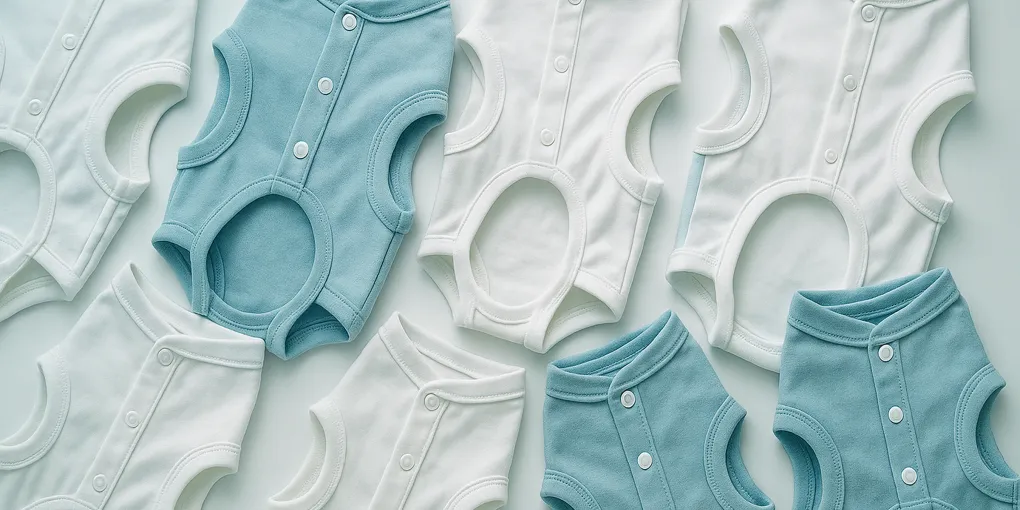
For senior dogs recovering from surgery and needing an alternative to the e-collar (cone), Suitical Recovery Suit is the top pick — reliable wound coverage for abdominal and thoracic incisions, fold-back rear panel for hygienic elimination, and a cotton-spandex blend comfortable enough for extended wear. Healers Medical Bodysuit is the preferred choice for senior dogs in warmer climates or with thermoregulatory concerns.
Important pre-purchase note: Confirm the incision location is covered by the suit before purchase. Recovery suits protect abdominal, thoracic, and dorsal torso incisions well; they do not protect leg, foot, or groin incisions.
TL;DR
- Top Pick: Suitical Recovery Suit — cotton-spandex, reliable coverage, fold-back rear panel for bathroom trips
- Best Breathability: Healers Medical Bodysuit — moisture-wicking medical fabric, best for senior dogs prone to overheating
- Best Comfort: Pet Parents Soft Onesie — ultra-soft fleece, maximum comfort for extended wear
- Best Ease of Donning: Surgi-Snuggly — designed for easy on/off on an uncooperative or painful dog
How We Researched This Article
Evidence synthesis reviewed veterinary post-surgical wound care guidelines (WSAVA surgical standards), comparative research on e-collar vs. recovery suit compliance and wound outcomes, and veterinary rehabilitation guidance on post-surgical mobility restriction.
Why Recovery Suits Are Often Better Than E-Collars for Senior Dogs
The traditional Elizabethan collar (e-collar, cone) has been the standard post-surgical wound protection since the 1960s. For senior dogs, it creates specific problems that recovery suits resolve:
Sleep disruption: Senior dogs with arthritis typically change position frequently during the night to relieve joint pressure. An e-collar prevents comfortable positioning — many arthritic dogs cannot achieve their preferred sleeping posture with a cone around their neck. Sleep quality reduction in post-surgical senior dogs slows healing.
Vision restriction: E-collars block peripheral vision — already reduced in some senior dogs from age-related lens changes. Vision-impaired senior dogs wearing e-collars are significantly more likely to collide with furniture or fall on stairs during the recovery period.
Navigation and mobility: An e-collar adds 4–12 inches of circumference to the dog’s head — making doorways, stairs, and furniture navigation difficult for arthritic dogs who already move slowly and carefully.
Heat accumulation: E-collars trap warmth around the neck area — senior dogs with reduced thermoregulatory capacity can overheat more easily. Breathable recovery suits eliminate this heat trap.
Psychological stress: Many dogs find e-collars extremely distressing, increasing cortisol (stress hormone) levels — counterproductive to healing and comfort in the post-surgical period.
Recovery suits eliminate all five of these problems while providing equivalent or superior wound protection for covered body areas.
Suitical Recovery Suit: Best Overall
Suitical is the most widely veterinarian-recommended recovery suit brand, with the cotton-spandex blend providing the right balance of stretch (easy to don on a recovering dog), coverage (full torso), and breathability (cotton component allows air circulation). The fold-back rear panel clips up during walks for bathroom access and folds back down to restore coverage immediately after.
What makes it the top pick:
- Cotton-spandex blend — stretchy enough for easy donning without requiring the dog to fully cooperate
- Fold-back rear panel with snap closure — practical for the multiple daily elimination trips in the recovery period
- Full torso coverage — reliable for abdominal and thoracic incisions
- Durability — lasts multiple wash cycles without fabric degradation
- Available in comprehensive size range for small to large breeds
Safety: No toxic dyes documented. Machine washable maintains hygiene. No small parts at accessible locations. Cotton breathable — lower overheating risk than nylon.
Best for: Dogs recovering from abdominal surgery (spay, intestinal, bladder), thoracic incisions, skin mass removal on the torso; any dog where the incision is in the torso coverage zone.
We may earn a commission if you buy through our links.
Healers Medical Bodysuit: Best Breathability
Healers Medical designed their bodysuit specifically for post-surgical use with a medical-grade moisture-wicking fabric — similar to the materials used in human compression garments and surgical body wraps. The moisture-wicking property is particularly relevant for dogs with post-surgical wound drainage, keeping the incision site drier than cotton alternatives.
Breathability advantages:
- Moisture-wicking medical fabric reduces incision site moisture — critical for wound healing
- Better ventilation than cotton-spandex for senior dogs prone to overheating
- Snap closures allow rear opening without full suit removal — easier bathroom hygiene
- Available in bright colors for easy observation of suit integrity and wound drainage
Trade-offs:
- Higher cost than cotton alternatives
- Synthetic fabric may be less comfortable for dogs with sensitive skin
- Snap closures require two hands — slightly more complex than velcro alternatives
Best for: Senior dogs in warm climates or with thermoregulatory concerns; dogs with wound drainage requiring drier wound environments; owners prioritizing the most clinically appropriate wound management fabric.
We may earn a commission if you buy through our links.
Pet Parents Soft Dog Onesie: Best Comfort
Pet Parents uses an ultra-soft fleece-blend fabric that is the gentlest option of the picks here against the dog’s skin — relevant for senior dogs with skin sensitivity, thin skin from aging, or who resist wearing garments and need maximum comfort to tolerate the suit without distress.
Comfort advantages:
- Simple slip-on design — no complex fasteners
- Open rear panel eliminates need for fold-back manipulation during bathroom visits
- Machine washable fleece maintains softness over multiple wash cycles
Trade-offs:
- Open rear panel provides less hindquarter coverage than fold-back designs
- Fleece less breathable than cotton or medical fabric — not ideal for warm environments
- Less compression stretch than spandex-blend alternatives
Best for: Senior dogs that resist garments and need maximum comfort for compliance; cool-climate recovery environments; dogs with skin sensitivity to synthetic fabrics.
We may earn a commission if you buy through our links.
Surgi-Snuggly Easy Open: Best Ease of Donning
The Surgi-Snuggly’s design focuses specifically on the donning challenge — its pattern opens in a way that minimizes the manipulation required to get it on a dog that is painful, groggy from anesthesia, or resistant to garments. The stretchy cotton-lycra blend adds elasticity that accommodates post-surgical bandaging underneath if needed.
Ease of donning advantages:
- Pattern designed for minimal handler manipulation — relevant in the immediate post-anesthesia period
- Stretchy fabric accommodates post-surgical bandaging or swelling
- Open rear panel eliminates complex fold-back management for anxious owners
Trade-offs:
- Partial rear coverage less complete than full fold-back designs
- Less compression than spandex-blend alternatives
- Fewer size options than Suitical
Best for: First 24–48 hours post-surgery when the dog is least cooperative; owners managing alone without a helper for suit application; dogs with post-surgical bandaging requiring accommodation under the suit.
We may earn a commission if you buy through our links.
Related Post-Surgery Recovery Products
- Orthopedic dog beds: Post-surgical senior dogs spend most of their recovery on resting surfaces — orthopedic foam reduces pressure point discomfort and supports healing while the dog is immobile.
- Dog ramps and stairs: Post-surgical dogs must not jump — ramps for furniture and vehicle access prevent jump-related incision disruption during the recovery period.
- Heating pad: Gentle warmth around the incision area (not directly on it) can reduce post-surgical muscle tension — confirm with your veterinarian before applying heat near a surgical site.
- Dog full body lift harness: Dogs recovering from orthopedic surgery may need lift harness support for bathroom trips during the restricted mobility period.
- Non-slip mats: Post-surgical dogs are often on pain medications that affect balance and coordination — non-slip surfaces throughout the home reduce fall risk during the recovery period.
- Dog water fountain: Adequate hydration supports healing — accessible water fountains encourage drinking in recovering dogs who may be reluctant to move to a distant bowl.
Frequently Asked Questions
Are dog recovery suits as effective as the e-collar (cone) for preventing licking?
Recovery suits effectively prevent access to abdominal and thoracic incisions for most dogs. For mid-abdominal incisions, a well-fitted suit provides excellent protection. For groin, hindlimb, or leg incisions, coverage may be incomplete. Highly motivated lickers may chew through some fabrics. Never use a recovery suit as an unmonitored e-collar replacement for the first 48–72 hours — supervise the dog to verify adequate protection.
How do I get a recovery suit on a post-surgical dog in pain?
Work slowly with minimal restraint pressure. Have a helper if possible. Warm the fabric in your hands before skin contact. Offer high-value treats throughout. Avoid tugging on the neck. For dogs that are extremely resistant immediately post-surgery, consult your veterinarian about the necessity of the suit versus an e-collar for the first 24 hours.
Can a senior dog sleep comfortably in a recovery suit?
Yes — most senior dogs adapt within 1–2 nights. Recovery suits are generally less disruptive to sleep than e-collars, which prevent comfortable resting positions. Monitor temperature — senior dogs may overheat in full-body suits in warm environments. A breathable fabric (Healers Medical) is preferable for warm climates.
How long should a dog wear a recovery suit after surgery?
Duration depends on surgery type and healing rate — your veterinarian will specify the wound care period. Typically, surface incisions require 10–14 days. Do not discontinue based on external appearance alone — internal healing continues after external closure, and premature licking can disrupt internal sutures.
What is the difference between a dog recovery suit and a recovery cone?
An e-collar physically blocks access to all body areas by extending around the neck. A recovery suit covers the wound directly with fabric. E-collars are universally effective for any body location; recovery suits protect only covered areas. Recovery suits are more comfortable for most dogs and do not restrict vision, peripheral navigation, or sleeping positions.