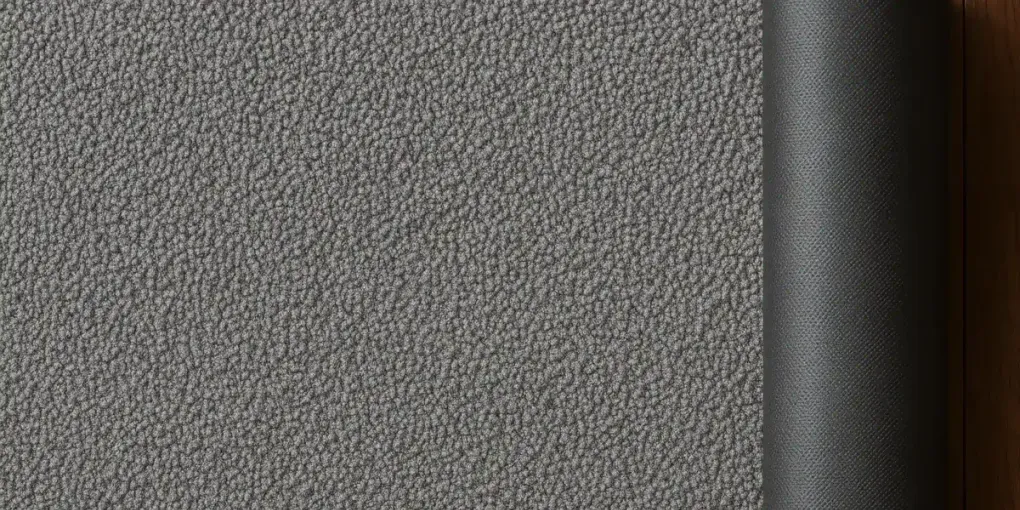
Gorilla Grip Original Chenille Bath Rug
Best spot matBest use: Bed exits, bowls, doorway landings
$18-$35
Quick picks
| Product | Key Specs |
|---|---|
| See price on Amazon |
|
| See price on Amazon |
|
| See price on Amazon |
|
| See price on Amazon |
|
Product availability, certifications, and retailer details can change; check the current Amazon page before buying.
Best non-slip mats for senior dogs in 2026
The best non-slip setup for most senior dogs is not one magic mat. It is a connected traction route: a washable spot mat where the dog stands up, a low-edge runner across the slick stretch, and a landing mat at the door or bowl station. For a first purchase, start with a grippy washable mat such as a Gorilla Grip chenille non-slip mat at the highest-risk transition, then add a rubberback runner if your dog slips while moving between rooms.
Quick picks:
- Best spot mat: Gorilla Grip Original Chenille Bath Rug for bed exits, bowls, and door landings. Search Gorilla Grip mats on Amazon
- Best hallway coverage: Ottomanson-style rubberback runner for a bedroom-to-door or couch-to-water route. Search non-slip runner rugs on Amazon
- Best door landing: DEXI-style low-profile indoor door mat for wet paws and threshold turns. Search low-profile door mats on Amazon
- Best if you already own rugs: Veken-style rug pad gripper under a rug your dog already walks on confidently. Search rug pad grippers on Amazon
July 2026 refresh check: the recommendation order stayed unchanged after product-family review because each pick solves a different route problem: Gorilla Grip-style chenille for washable plant points, Ottomanson-style runners for continuous hall coverage, DEXI-style low-profile mats for wet thresholds, and Veken-style grippers for rugs a dog already trusts. Current listings can change, so verify the exact dimensions, backing material, floor-finish cautions, return terms, and price before buying.
The key choice is route coverage. A senior dog with arthritis, weak rear legs, or reduced paw placement accuracy may need continuous footing from the bed to the door, not isolated islands of grip. VCA Hospitals notes that arthritis management can include weight control, exercise changes, pain management, and home adjustments, which is why traction products should sit alongside veterinary guidance rather than replace it (VCA arthritis in dogs overview).
What to buy first for a slipping senior dog
Watch your dog for two normal trips through the house. The first purchase should cover the place where the dog plants, turns, or accelerates, not the place that looks nicest in the room. Common slip points are the front feet pushing up from a bed, the rear feet pivoting toward a water bowl, and the first two steps after coming in from outside.
If the slip point is a single landing, a washable spot mat is enough to test the idea. If the dog slips halfway down a hallway, buy a runner instead. If a trusted rug already works for your dog but slides under load, a gripper pad can be the better fix than replacing the top surface. Avoid thick edges, curling corners, and small mats that force a large dog to step off the grippy surface during a turn.
Practical traction score
| Product type | Route coverage | Edge safety | Cleaning | Floor caution | Best role |
|---|---|---|---|---|---|
| Gorilla Grip chenille spot mat | 6/10 | 8/10 | 9/10 | Check backing | Bed, bowls, door plant points |
| Rubberback runner rug | 9/10 | 7/10 | 7/10 | Check backing and width | Hallways and room-to-room routes |
| Low-profile indoor door mat | 5/10 | 9/10 | 8/10 | Check backing | Wet-paw thresholds |
| Rug pad gripper under existing rug | 8/10 | Depends on rug | Depends on rug | Check pad material | Stabilizing a rug the dog trusts |
This score favors the setup that removes the most risky steps. A runner may score higher than a premium small mat if the dog is falling in the hallway. A low-profile door mat may beat a plush rug if the dog drags toes or shuffles over raised edges.
Gorilla Grip-style washable spot mat
A washable chenille or microfiber mat is the easiest first test for a dog that slips while standing up or turning near bowls. The surface gives paw pads more texture than bare tile, and the mat can be washed after urinary leaks, drooling, or wet-paw traffic. Use it where the dog plants all four feet, not just under the bowl.
Check three things before keeping it in the route. First, push the corner sideways with your hand on the same floor surface where the dog will use it. If it slides easily for you, it can slide under a large dog. Second, check whether the edge curls after the first wash. Third, read the current product page for hardwood, vinyl, or heated-floor cautions. Rubber-backed mats can behave differently on sealed hardwood, luxury vinyl plank, laminate, and freshly refinished floors.
Runner rugs for hallway traction
A senior dog that slips while walking needs length. A runner should be wide enough for the dog to turn or pass another pet without stepping onto bare floor. For large dogs, narrow runners can create a false sense of safety because the dog starts on the rug and then plants one rear foot outside the path during a turn.
Choose a low-pile surface with a backing that grips your actual floor. Avoid shag that hides curled corners, thick borders that catch paws, or decorative runners that require separate tape at every edge. If you need multiple runners, overlap or butt them tightly enough that the dog does not encounter a bare-floor gap at the fastest part of the route.
Door mats and wet-paw landings
Thresholds are high-risk because the dog is changing surface, speed, and sometimes direction at the same moment. A low-profile indoor mat just inside the door can reduce slips after rain or snow, especially when paired with a towel station. Door mats should be easy to wash or shake out and heavy enough that they do not bunch when a dog turns toward the room.
Do not use a tall outdoor scraper mat as the indoor landing for a weak senior dog. Those ridges can be useful outside, but indoors they may catch nails or alter gait. The safer indoor landing is flat, absorbent, and large enough for all four paws.
Rug pads under rugs your dog already trusts
If your dog confidently walks on an existing rug but the rug creeps, fix the movement under the rug before changing the top surface. A cut-to-fit rug gripper can make a familiar rug safer without asking the dog to relearn texture. This is especially useful for dogs that avoid new surfaces.
The same floor cautions apply. Rug pads can contain PVC, rubber, latex, or felt blends, and some are not recommended for every finish. Test a small area, lift the rug weekly at first, and retire any pad that leaves residue, traps moisture, or loses grip.
When mats are not enough
Environmental traction should improve confidence within days. If your dog keeps knuckling, crossing legs, falling on carpet, stumbling on one side, or struggling to rise even on a grippy surface, the problem is bigger than flooring. The American Veterinary Medical Association advises veterinary care for sudden behavior or mobility changes, and senior pets often need earlier checks because pain and neurologic problems can look like simple slowing down (AVMA senior pet care).
A traction plan can work with the rest of the senior-dog mobility cluster: anti-slip boots for short supervised stretches, car ramps when jumping is the problem, and mobility harnesses for stairs or rear-leg support. For a full-home sequence, see the senior dog mobility plan.
Setup checklist before you order
Measure the route with a tape measure and include the turn radius, not just the straight hallway length. Choose low edges for toe-dragging dogs. Check washable instructions if your dog has urinary leakage. Confirm the backing is allowed on your floor finish. Avoid adhesive tape as the main safety system unless the product is intended for that use and the floor maker allows it.
After installation, watch the first day. A dog that jumps over the runner, avoids the mat, or walks with shortened steps is telling you the texture, edge, smell, or placement is wrong. Move the mat, flatten the edge, or try a different surface before assuming traction products cannot help.
For homes with stairs, do not solve the stair problem with loose bath mats. Use stair treads designed for the tread depth, check every adhesive or backing warning, and keep the nosing visible. If a senior dog hesitates at the top of stairs, slips on carpeted stairs, or needs rear-end help, pair traction with a harness plan and veterinary mobility advice. Stair falls can be serious, and a runner in the hallway does not remove the need to block unsafe stairs when supervision is not available.
Senior-dog traction FAQ
What kind of mat helps a senior dog that slips on hardwood?
The safest first buy is usually a low-edge, non-slip runner that covers the whole walking route, plus small washable landing mats at bed, bowl, and door transitions. A small bath mat helps only if it sits exactly where the dog plants and turns.
Can non-slip mats replace a veterinary exam?
No. Mats reduce a known home hazard, but slipping that appears suddenly, worsens quickly, or happens on grippy surfaces deserves veterinary evaluation for pain, weakness, vestibular disease, orthopedic injury, or neurologic disease.
Are rubber-backed rugs safe on hardwood floors?
Some rubber, latex, or PVC backings can discolor, trap moisture, or interact with floor finishes. Check the current listing and your floor warranty, lift mats regularly, and test in a hidden area before leaving a rubber-backed rug in place long term.
Should I buy dog socks instead of floor mats?
Floor mats are usually easier for all-day home traction. Socks or boots can help some dogs on specific surfaces, but they must fit well and be supervised so they do not twist, rub, or change gait.
Frequently Asked Questions
- The safest first buy is usually a low-edge, non-slip runner that covers the whole walking route, plus small washable landing mats at bed, bowl, and door transitions. A small bath mat helps only if it sits exactly where the dog plants and turns.
- No. Mats reduce a known home hazard, but slipping that appears suddenly, worsens quickly, or happens on grippy surfaces deserves veterinary evaluation for pain, weakness, vestibular disease, orthopedic injury, or neurologic disease.
- Some rubber, latex, or PVC backings can discolor, trap moisture, or interact with floor finishes. Check the current listing and your floor warranty, lift mats regularly, and test in a hidden area before leaving a rubber-backed rug in place long term.
- Floor mats are usually easier for all-day home traction. Socks or boots can help some dogs on specific surfaces, but they must fit well and be supervised so they do not twist, rub, or change gait.