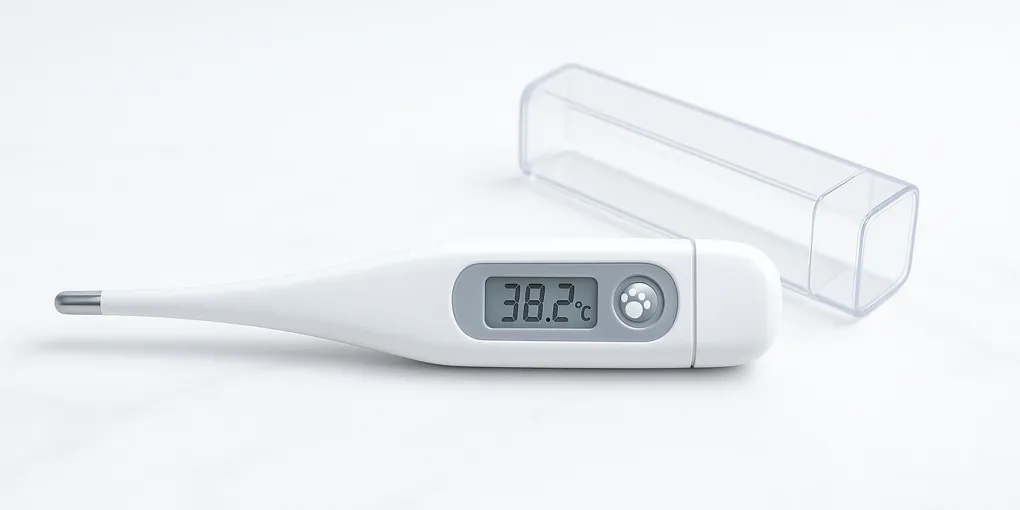
Pet Thermometer Protocol: How to Take a Dog or Cat Temperature Safely
ProtocolQuick picks
| Product | Key Specs |
|---|---|
| See price on Amazon |
|
| See price on Amazon |
|
| See price on Amazon |
|
Product availability, certifications, and retailer details can change; check the current Amazon page before buying.
The Safe Home Rule
Take a pet temperature only when the reading will help the next decision and only when the pet can be handled without a fight. A thermometer is useful because it gives your veterinarian a number, but the attempt should not create a bite, a fall, rectal injury, or a frightened animal that hides the next time you need to check them.
If you are still choosing a device, start with our best pet thermometer guide. This protocol explains the setup and stop points after the thermometer is in your kit.
Product Starting Points
| Check current options | Best use | Safety note |
|---|---|---|
| Search Amazon for flexible-tip pet thermometers | Most home fever checks | Flexible tip, quick read time, and lubricant reduce restraint time |
| Search Amazon for pet ear thermometers | Screening tolerant pets | Ear debris, anatomy, and angle can change the reading |
| Search Amazon for water-based lubricant | Rectal measurement supply | Avoid irritating or medicated products unless your clinic recommends them |
How We Score This Protocol
| Criterion | Weight | Score | Weighted | Why it matters here |
|---|---|---|---|---|
| Research | 30% | 8.5 | 2.55 | Rectal temperature remains the practical home reference point for dogs and cats. |
| Evidence Quality | 25% | 8.0 | 2.00 | Veterinary guidance is consistent on normal temperature ranges and escalation for abnormal readings. |
| Value | 20% | 9.0 | 1.80 | A low-cost thermometer can make a triage call more useful. |
| User Signals | 15% | 8.0 | 1.20 | Owner failure usually comes from restraint, no lubricant, slow devices, or repeating attempts after the pet is done. |
| Transparency | 10% | 9.0 | 0.90 | The protocol is clear about what home readings can and cannot decide. |
| Composite Score | 8.45/10 | High-value first-aid habit when practiced calmly. |
Supplies to Keep Together
Keep one pet-dedicated thermometer in a small bag with water-based lubricant, disposable gloves, paper towels, disinfecting wipes safe for the device exterior, and a note card with your veterinary clinic and emergency hospital phone numbers. Label the thermometer “PET RECTAL” so it never returns to human oral use.
Choose a thermometer with a flexible tip, a clear display, a battery you can replace, and a read time short enough that you are not holding a sick animal still for a full minute. If your pet is anxious, practice the handling position without inserting the thermometer on a normal day, then reward and stop.
Rectal Temperature Protocol
- Ask a second adult to help if the pet is medium-sized, painful, wiggly, or new to the routine.
- Place the pet standing on a non-slip surface or lying comfortably on their side. Do not lift a painful senior dog onto a slick counter.
- Turn the thermometer on before positioning the pet.
- Apply water-based lubricant to the tip.
- Lift the tail gently. Insert only the flexible tip portion, usually about 1 inch for cats and small dogs and up to about 1.5 inches for larger dogs, unless your veterinarian gave different instructions.
- Hold the thermometer steady without angling or levering it.
- Remove it as soon as it signals completion. Praise the pet, then read and write down the number, time, and symptoms.
- Clean the thermometer according to the device instructions before storing it.
Do not repeat the measurement again and again to chase a nicer number. If the first attempt was technically poor, one careful repeat is reasonable. After that, call the clinic and explain what happened.
Ear and Non-Contact Readings
Ear thermometers can be useful when a pet accepts ear handling and rectal measurement is not safe. They are more position-sensitive than rectal thermometers, and wax, infection, ear shape, or a shallow angle can shift the reading. Use an ear reading as screening information, not a reason to ignore a pet that looks sick.
Non-contact infrared devices are least useful for clinical decisions. Fur, coat color, distance, skin surface temperature, room conditions, and aim point can all affect the result. They may help you notice a trend, but they are not a reliable fever diagnosis tool for dogs or cats.
When to Call the Veterinarian
Call your veterinarian or an emergency hospital promptly if a dog or cat has a rectal temperature at or above 103°F, below 99°F, or any abnormal temperature with collapse, labored breathing, seizures, pale gums, repeated vomiting, heat exposure, severe pain, marked lethargy, or a known high-risk medical condition. Do not give acetaminophen, ibuprofen, aspirin, naproxen, or other human fever reducers unless a veterinarian specifically instructs you.
Normal ranges vary slightly by source and situation, but many veterinary references place healthy adult dogs and cats roughly around 100 to 102.5°F. The number matters most when paired with symptoms, age, heat exposure, medication history, and your veterinarian’s thresholds.
Cleaning and Storage
Wipe visible residue first, then disinfect the thermometer exterior according to the device manual. Do not soak electronics unless the manual says the unit is waterproof. Replace probe covers if your model uses them, and replace the whole thermometer if the tip cracks, the display fades, the battery compartment corrodes, or readings become inconsistent.
Pet Thermometer FAQ
Can I use the same thermometer for multiple pets?
Yes, but clean it thoroughly between pets and avoid using it across sick animals without veterinary guidance. If one pet has diarrhea, parasites, or a contagious illness concern, ask your clinic whether separate supplies are safer.
Is a warm nose the same as fever?
No. Nose temperature and moisture are unreliable. A rectal temperature is more useful than judging by ears, nose, paws, or general warmth.
What if my pet will not let me take a temperature?
Do not force it. Call the clinic with the symptoms, gum color, breathing pattern, appetite, water intake, medication history, and any partial reading you obtained. A safe veterinary exam is better than a dangerous home struggle.
Sources
- Merck Veterinary Manual, overview of fever and body temperature assessment in small animals: https://www.merckvetmanual.com/
- VCA Animal Hospitals, dog and cat fever/temperature owner guidance: https://vcahospitals.com/
- Cornell Feline Health Center, signs that cats need veterinary attention: https://www.vet.cornell.edu/departments-centers-and-institutes/cornell-feline-health-center
Frequently Asked Questions
- A fast flexible-tip digital rectal thermometer is the most reliable home option when the pet can be handled safely. Ear thermometers can screen tolerant pets, but abnormal or confusing readings should be discussed with a veterinarian.
- Use a pet-dedicated digital thermometer and label it clearly. A human oral thermometer should not go back into human use after rectal pet measurement.
- Stop if the pet bites, thrashes, vocalizes sharply, cannot stand comfortably, has rectal pain or bleeding, or if restraint is escalating. Call the clinic with symptoms instead of forcing the reading.