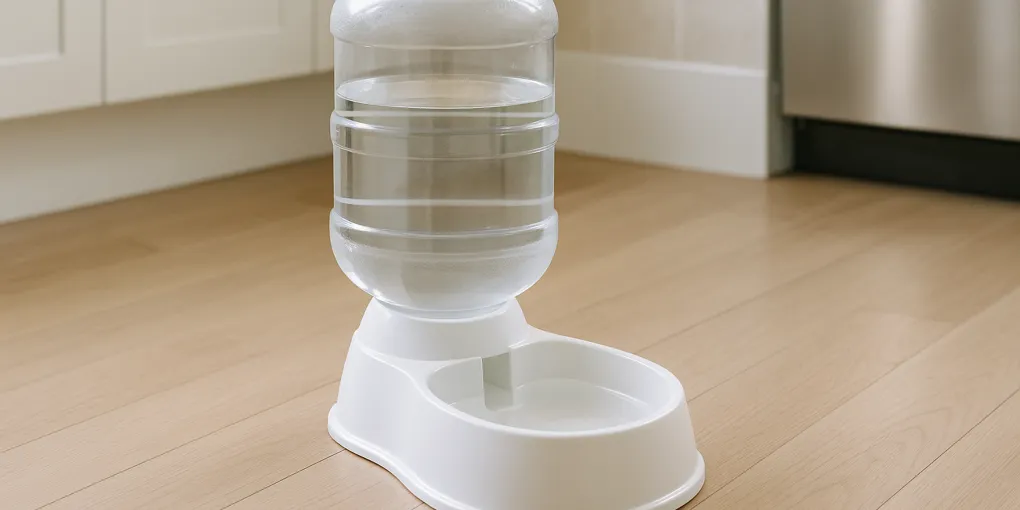
Pet Water Dispenser Cleaning Protocol for Gravity Bowls and Reservoirs
ProtocolQuick picks
| Product | Key Specs |
|---|---|
| See price on Amazon |
|
| See price on Amazon |
|
| See price on Amazon |
|
Product availability, certifications, and retailer details can change; check the current Amazon page before buying.
The Cleaning Rule
A pet water dispenser is clean only after the bowl, reservoir, cap, valve, seams, and contact surfaces have been emptied, scrubbed, rinsed, and dried. Refilling a half-full reservoir is not cleaning. It can leave saliva, food crumbs, hair, biofilm, and warm stagnant water in exactly the places your pet drinks from.
If you are choosing a new dispenser, read our best gravity pet water dispenser guide first. This protocol works for most gravity bowls, reservoir dispensers, and backup water stations. Powered fountains need pump-specific cleaning too; for those, see our cat water fountain cleaning protocol.
Product Starting Points
| Check current options | Best use | Cleaning note |
|---|---|---|
| Search Amazon for dishwasher-safe gravity dispensers | Owners who need a low-friction routine | Verify which parts are dishwasher safe and where small valves sit |
| Search Amazon for ceramic gravity waterers | Cats and small dogs sensitive to plastic | Check for chips, glaze wear, and heavy lifting burden |
| Search Amazon for pet water cleaning brushes | Reservoir necks and narrow seams | Use non-abrasive brushes and let the brush dry after use |
How We Score This Protocol
| Criterion | Weight | Score | Weighted | Why it matters here |
|---|---|---|---|---|
| Research | 30% | 8.0 | 2.40 | Water-bowl hygiene risk is driven by moisture, saliva, food residue, and room temperature. |
| Evidence Quality | 25% | 7.5 | 1.88 | Public veterinary and food-safety guidance supports frequent washing, safe materials, and drying. |
| Value | 20% | 9.0 | 1.80 | A brush kit and schedule cost less than replacing cloudy or scratched dispensers. |
| User Signals | 15% | 8.5 | 1.28 | Owner complaints cluster around slime, odor, hard-to-clean necks, and pets avoiding stale water. |
| Transparency | 10% | 9.0 | 0.90 | The protocol separates hydration convenience from health claims. |
| Composite Score | 8.26/10 | Strong routine for keeping backup water useful instead of risky. |
Cleaning Schedule
Use this schedule as a baseline, then tighten it if your household is messier:
- Daily: Dump visible debris, rinse the bowl, and refill with fresh water if the pet drools, eats wet food nearby, paws at water, or the room is warm.
- Every 2 to 3 days: Fully disassemble and wash most gravity dispensers.
- Weekly: Inspect the reservoir neck, valve, gasket, filter slot, and underside of the bowl for slime or rough surfaces.
- Immediately: Clean after vomiting near the bowl, diarrhea contamination, outdoor dirt, insects, algae, cloudy water, odor, or a pet illness episode.
Large reservoirs do not safely extend the cleaning interval by themselves. They can make a bowl look supplied while the drinking surface still needs scrubbing.
Step-by-Step Protocol
- Wash your hands and move the dispenser to a sink or utility area.
- Empty all water from the bowl and reservoir. Do not pour fresh water onto old water.
- Remove filters, caps, valves, gaskets, and detachable bowls.
- Rinse away hair, kibble dust, and loose slime before adding soap.
- Scrub with warm water, mild dish soap, and a dedicated non-abrasive brush or sponge.
- Use a bottle brush for the reservoir neck and a small brush for valve channels.
- Rinse until there is no soap film or scent.
- Air-dry parts fully when possible, or dry with a clean towel before reassembly.
- Refill with fresh water and place the dispenser away from litter boxes, direct sun, heat vents, and food crumbs.
- Write the next cleaning date on a small calendar, label, or phone reminder.
If the manufacturer allows dishwasher cleaning, still pre-rinse visible debris and place small parts securely. Heat can warp some plastics, degrade gaskets, or loosen labels, so follow the product manual rather than assuming every part is dishwasher safe.
Filter Handling
A carbon filter is not a cleaning system. It may reduce taste or catch particles, but the bowl surface, reservoir wall, and valve still need manual washing. Replace filters according to the product schedule, sooner if they smell, discolor, clog, shed particles, or sit dry after use.
Do not keep using a filter because it looks expensive to replace. A dirty filter can become another wet surface holding residue. If replacement filters are hard to find, that should count against the dispenser when you choose the model.
Material-Specific Notes
Plastic is light and inexpensive, but soft plastic can scratch. Scratches make cleaning harder and can hold residue. Retire plastic bowls that stay cloudy, feel rough, smell after washing, or show deep scoring.
Ceramic is smooth and heavy, which many cats like, but chips and cracks matter. A chipped rim or rough glaze should not be treated as cosmetic if it contacts drinking water. Stainless steel bowls are easy to wash when the design is simple, but gravity reservoirs are often plastic even when the bowl is metal.
Health Boundary
Cleaning can improve water access, but it cannot diagnose why a pet drinks more or less. Call your veterinarian if you notice sudden increased thirst, reduced drinking, straining to urinate, accidents, vomiting, diarrhea, lethargy, weight loss, heat stress, or dehydration signs such as tacky gums. Pets with kidney disease, diabetes, urinary disease, immune compromise, or post-surgical instructions may need a stricter water setup than a general household protocol.
Pet Water Dispenser FAQ
Is dishwasher cleaning enough?
It can be, if the product manual allows it and the dishwasher reaches the surfaces that touch water. Narrow necks, valves, and gaskets may still need hand scrubbing.
Why does my dispenser get slimy so fast?
Saliva, food particles, warm rooms, sunlight, and rough surfaces all speed residue buildup. Move the station away from food crumbs and sun, clean more often, and retire scratched plastic.
Can I use bleach?
Use only disinfectants and dilutions approved by the product manual or your veterinarian, and rinse thoroughly. For routine household maintenance, warm water, mild dish soap, complete rinsing, and drying are usually the safer default.
Sources
- Cornell Feline Health Center, household hydration and cat health owner education: https://www.vet.cornell.edu/departments-centers-and-institutes/cornell-feline-health-center
- FDA, food-contact surface cleaning principles for safe household handling: https://www.fda.gov/food/buy-store-serve-safe-food/safe-food-handling
- VCA Animal Hospitals, pet dehydration and veterinary warning signs: https://vcahospitals.com/
Frequently Asked Questions
- For most gravity dispensers, fully empty and clean the bowl and reservoir every 2 to 3 days, and daily in hot rooms, multi-pet homes, or if the pet drools, plays in water, or has a health concern.
- No. Topping up dilutes old water but leaves residue, biofilm, hair, saliva, and filter debris in the bowl, valve, and reservoir.
- No. Filters can improve taste or catch particles, but they do not scrub surfaces. Replace filters on schedule and still wash the dispenser.