Best Pet First Aid Kits for Home and Car: What to Buy, Add, and Replace
Buyer's Guidepet first aid kit for dogs and cats
Best fitBest for: Keeping basic stabilization supplies at home
Varies
Quick picks
| Product | Key Specs |
|---|---|
| See price on Amazon |
|
| See price on Amazon |
|
| See price on Amazon |
|
Product availability, certifications, and retailer details can change; check the current Amazon page before buying.
How We Score Pet First Aid Kits
| Criterion | Weight | Score | Weighted | Why it matters here |
|---|---|---|---|---|
| Research | 30% | 8.5 | 2.55 | AVMA, poison-control, and first-aid education sources agree that first aid should stabilize and speed veterinary care. |
| Evidence Quality | 25% | 8.0 | 2.00 | Most recommendations are consensus safety guidance rather than randomized trials, but the risk logic is strong. |
| Value | 20% | 8.5 | 1.70 | One refillable kit can support home, car, and travel emergencies for years if maintained. |
| User Signals | 15% | 8.0 | 1.20 | Owners consistently benefit from organized supplies, printed contacts, and pet-specific add-ons missing from human kits. |
| Transparency | 10% | 9.0 | 0.90 | The guide clearly separates minor stabilization from emergencies that require immediate veterinary care. |
| Composite Score | 8.35/10 | A pet first aid kit is one of the rare safety purchases that can be useful before, during, and after the drive to the vet. |
The Short Answer
The best pet first aid kit is not the biggest pouch on Amazon. It is a compact, refillable kit that helps you stop minor bleeding, protect a wound, rinse eyes or skin, remove a tick, prevent further injury, and get your dog or cat to veterinary care safely. For most households, buy a reputable prebuilt pet first aid kit, then add a digital rectal thermometer, saline rinse, tick remover, styptic powder, a soft muzzle or towel, copies of medical records, and your emergency clinic numbers.
Useful starting points:
- Search Amazon for pet first aid kit for dogs and cats
- Search Amazon for dog travel first aid kit
- Search Amazon for pet emergency kit bag
- Search Amazon for tick remover tool for pets
Because product availability and kit contents change, compare current supply lists, expiration dates, case durability, recent reviews, and return policy before buying.
Why Pet First Aid Is Different
The American Veterinary Medical Association’s first-aid guidance is clear about the goal: stabilize the pet and get professional help when needed, not replace a veterinarian. That distinction matters. A bandage that is too tight, a human pain reliever, or an attempt to clean a deep bite wound at home can make the situation worse.
Dogs and cats also create practical problems that human kits do not solve. They may bite when painful, hide when scared, chew bandages, overheat in a parked car, or worsen a wound by licking. A good kit therefore needs restraint, transport, wound protection, and information management as much as it needs gauze.
Best Overall Setup: Prebuilt Pet Kit Plus Add-Ons
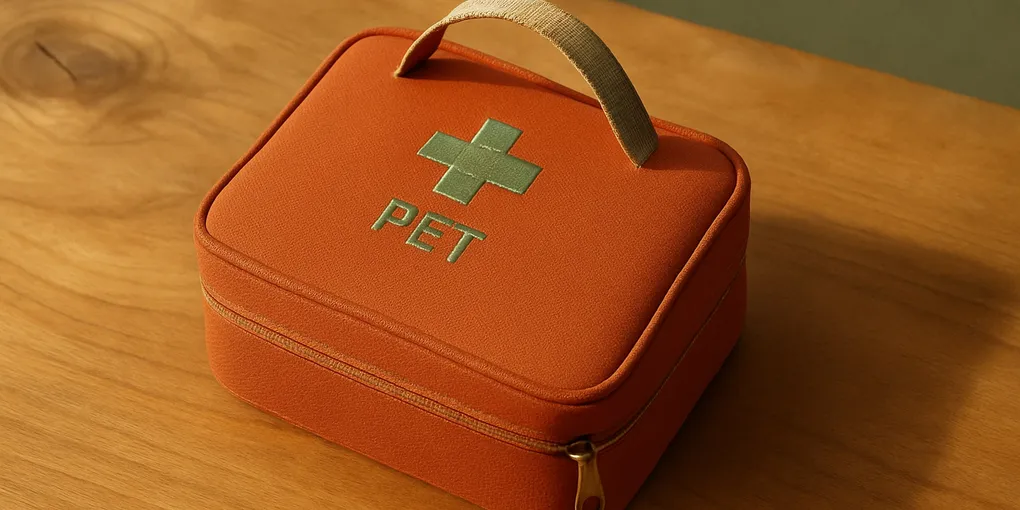
A prebuilt kit is the easiest way to get gauze rolls, nonstick pads, antiseptic wipes, gloves, bandage tape, emergency blanket, tweezers, and scissors in one organized pouch. The downside is that many kits are designed to look complete rather than to be complete for a real dog or cat emergency.
Look for:
- A clearly labeled, water-resistant pouch
- Multiple sizes of gauze and nonstick pads
- Blunt-tip scissors
- Disposable gloves
- Saline or wound rinse, or room for a bottle
- Tick remover or fine tweezers
- Space for your own thermometer and records
- A layout you can use under stress
Then add:
- Search Amazon for digital rectal thermometer for pets
- Search Amazon for pet styptic powder
- Search Amazon for sterile saline wound wash
- Search Amazon for self adhering bandage wrap pets
Best for the Car
A car kit should be more travel-oriented than a home kit. Add a spare leash, collapsible bowl, bottled water, waste bags, a towel, cooling plan, emergency blanket, and a printed card with your pet’s medications, allergies, microchip number, veterinarian, and nearest 24-hour emergency hospital.
Do not store heat-sensitive medication in a hot vehicle unless your veterinarian specifically approves. Heat can also dry out wipes and degrade adhesives, so inspect the car kit more often than the home kit.
A good car setup includes:
- Search Amazon for collapsible dog bowl travel
- Search Amazon for emergency thermal blanket compact
- Search Amazon for slip lead for dogs
- Search Amazon for pet carrier emergency travel
Best for Cats
Cat first aid depends heavily on safe handling. A frightened or painful cat can injure a caregiver and escape. Keep a thick towel, carrier, and calm handling plan with the kit. For multi-cat homes, add a small notebook or printed sheet with each cat’s weight, diet, medications, and known medical conditions.
Cat-specific additions:
- A top-loading carrier or carrier kept accessible, not buried in storage
- Thick towel for gentle wrapping
- Saline rinse for eye or fur contamination while you call the vet
- Pill pockets or treats only if your veterinarian has supplied a medication plan
- Photos and microchip numbers in case a cat bolts during travel
Avoid giving over-the-counter human medications unless your veterinarian gives exact instructions for that cat.
Best for Hiking and Outdoor Dogs
Outdoor kits should prioritize paws, ticks, heat, hydration, and transport. Add booties or paw protection, an extra leash, tick remover, water, collapsible bowl, and a way to carry your dog if they cannot walk safely. For large dogs, that may be a sling rather than a backpack.
Useful outdoor add-ons:
- Search Amazon for dog paw bandage wrap
- Search Amazon for dog rescue sling
- Search Amazon for dog boots hiking
- Search Amazon for pet tick remover key
What a Kit Can Safely Help With
A well-stocked kit can help you:
- Apply gentle pressure to a bleeding nail or small cut
- Cover a wound for transport
- Rinse dirt or irritants from fur or skin
- Remove a visible tick with the right tool
- Check temperature and communicate data to the clinic
- Prevent a pet from licking or worsening an injury
- Keep the pet warm, cool, hydrated, and contained while you seek help
It should not be used to close wounds, treat poisoning without professional direction, give human pain medicine, delay care for breathing trouble, or manage severe trauma at home.
Red Flags: Go to Emergency Care
Seek urgent veterinary help for trouble breathing, collapse, repeated vomiting, seizures, suspected poisoning, heatstroke, deep puncture wounds, eye injuries, severe bleeding, bloat signs, inability to urinate, major pain, or any injury involving a very young, senior, pregnant, or medically fragile pet.
The ASPCA Animal Poison Control Center and your local emergency hospital numbers should be in the kit and in your phone. If you suspect poisoning, call for professional instructions before inducing vomiting or giving anything by mouth.
What Prebuilt Kits Commonly Miss
Most prebuilt kits are built around bleeding and bandaging. That is useful, but pet owners often need a broader emergency workflow. Add a laminated card with three phone numbers: your primary veterinarian, the nearest 24-hour emergency hospital, and a poison-control hotline. Include your pet’s weight, current medications, allergies, microchip number, and a short note about behavior under stress. In an emergency, that card may be more useful than a fifth roll of gauze.
Many kits also miss restraint. A painful dog may bite even if they are normally gentle. A soft muzzle can protect the handler long enough to move the dog, but never muzzle a vomiting, overheated, unconscious, or breathing-compromised pet. For cats, a towel and carrier are usually safer than trying to hold the cat in your arms. Practice carrier access before an emergency; a carrier in the attic is not an emergency tool.
Finally, add lighting and documentation. A small flashlight or headlamp helps with paw cuts, ticks, and nighttime car problems. A pencil, waterproof pen, or phone note can record time of vomiting, suspected toxin exposure, medication instructions, or temperature readings. Veterinary teams make faster decisions when the timeline is clear.
Home Kit vs Travel Kit
A home kit can be larger and more complete. It can include a full saline bottle, extra towels, spare cone or recovery collar, pill pockets for prescribed medication, and printed medical history. A travel kit should be smaller, duplicate only the essentials, and live where you can actually reach it.
For car travel, think about containment first. After a crash, door opening, or roadside incident, a loose pet can run into traffic. Keep a spare leash, slip lead, harness, or carrier with the kit. For cats and small dogs, a collapsible carrier or secure hard-sided carrier is often more important than additional bandage supplies.
For vacation rentals, boarding drop-offs, or hiking trips, add a one-page care sheet. Include diet, medication schedule, emergency authorization, vaccine status if relevant, and your preferred clinic. This is not just organization; it reduces decision friction when someone else is caring for your pet.
Replacement Schedule
Set a calendar reminder every three months. Check expiration dates on antiseptic wipes, saline, styptic powder, and any veterinarian-supplied medication. Replace gloves that have become brittle, tape that no longer sticks, and bandage wrap that lost elasticity. If your kit has been in a car through summer heat or winter freezes, inspect it monthly.
After any real use, restock immediately. The most common failure mode is not buying the kit; it is using gauze once and discovering months later that the pouch is half-empty. Keep a small refill bag with gauze pads, nonstick pads, gloves, saline, and self-adhering wrap so the kit can be reset in minutes.
How to Practice Without Creating Stress
A first aid kit works better when your pet tolerates gentle handling. Practice touching paws, lifting lips, looking in ears, opening the carrier, and wrapping a towel for a few seconds at a time with treats. Do not wait until pain is present to introduce every handling step. The goal is not to perform veterinary procedures at home; it is to make emergency transport safer and calmer.
If your dog guards objects or your cat panics when restrained, ask your veterinarian or a qualified trainer for a handling plan. A kit is only useful if you can use it without escalating the injury.
Source Notes
- American Veterinary Medical Association: pet first aid and emergency preparedness guidance.
- ASPCA Animal Poison Control Center: poisoning triage and emergency contact guidance.
- American Red Cross: cat and dog first aid education resources.
Bottom Line
Buy a solid prebuilt pet first aid kit, but do not stop there. The highest-value setup is a practical pouch plus pet-specific add-ons, current emergency contacts, and a plan to get professional care quickly. A kit cannot make an emergency harmless, but it can help you act calmly, avoid dangerous improvisation, and protect your pet during the minutes that matter.
Frequently Asked Questions
- It is a useful start, but pets need pet-safe tools such as a rectal thermometer, tick remover, muzzle or towel restraint, saline rinse, styptic powder, and veterinarian-approved wound supplies.
- Do not stock human pain medicine for unsupervised pet use. Ibuprofen, acetaminophen, naproxen, and many combination products can be dangerous or fatal for dogs and cats.
- Yes, if your pet travels. A car kit should emphasize heat/cold protection, water, collapsible bowls, leash backup, cleanup bags, and emergency contact information in addition to wound basics.
- Check it every three to six months and after every use. Replace expired antiseptic, dried-out wipes, used gauze, damaged gloves, and any medication your veterinarian specifically supplied.