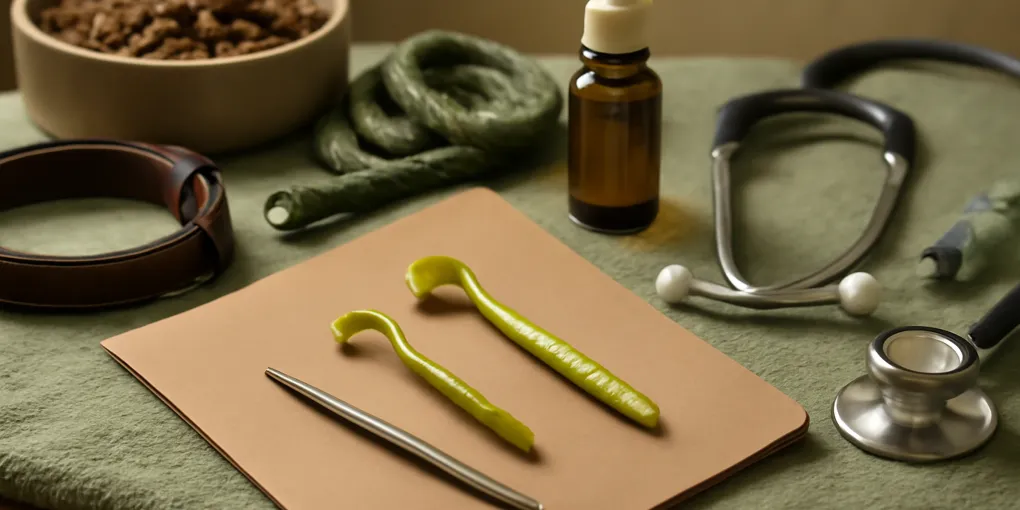
Best Tick Removal Tools for Dogs and Cats: What to Keep in a Pet First-Aid Kit
Buyer's GuideTick key-style pet tick remover
Best glove-box toolBest for: Outdoor kits, leash bags, and owners who want a flat tool that is hard to lose
$5-$12
Quick picks
| Product | Key Specs |
|---|---|
| See price on Amazon |
|
| See price on Amazon |
|
| See price on Amazon |
|
Product availability, certifications, and retailer details can change; check the current Amazon page before buying.
Quick pick
For most pet homes, build a small tick kit instead of buying one novelty gadget: fine-tipped tweezers for precision, a flat tick key or hook for outdoor use, disposable gloves, alcohol wipes for the tool, a zip bag or small jar for the tick, and your veterinarian’s phone number. Search Amazon for pet tick removal kits if you want the pieces bundled, but check that the tweezers are truly fine-tipped.
The buying priority is control and calm handling. A good tool lets you work close to the skin, clean it afterward, and repeat the process without panic. Fancy lights, giant handles, or broad claims matter less than tip shape, visibility, and whether the pet can stay calm long enough for one steady pull.
Ticks should be removed promptly and carefully. The CDC advises using clean, fine-tipped tweezers to grasp the tick as close to the skin surface as possible, then pulling upward with steady, even pressure (CDC tick removal). The AVMA also emphasizes parasite prevention and veterinary guidance because ticks can carry diseases that affect pets and people (AVMA external parasites).
How to choose a tick tool
Grip close to the skin
The tool has one job: remove the attached tick without crushing it or leaving you tugging at fur. Fine-tipped tweezers do this well because the tips can reach the mouthpart area. A tick key or hook can also work if the slot slides flat to the skin and the pet holds still.
Avoid blunt eyebrow tweezers for your pet kit. They often squeeze the tick body because the tips are wide. That is the opposite of what you want when the tick is attached low in the coat.
Match the coat and location
Short-coated dogs and cats are easiest. A flat tick key may slide neatly under the tick. Long-coated dogs need more fur separation, so a small hook or fine tweezers can be easier. Ears, toes, armpits, and lips are precision areas; use tweezers and better light.
If a tick is on the eyelid, inside the ear canal, deep in the mouth, or on a pet that cannot be handled safely, call your veterinarian instead of turning the removal into a restraint fight.
Keep the kit boring and clean
The best tick remover is the one you can find quickly. Keep one in the leash bag, one in the car, and one near your pet first-aid supplies. After use, clean the tool with alcohol or soap and water, wash your hands, and note the bite location.
Do not twist, burn, coat, or squeeze the tick. Do not dig at the skin if a small dark dot remains after removal. Irritated skin, swelling, lameness, lethargy, appetite change, fever, or a worsening wound are reasons to contact your vet.
Best tick removal options
Use the table as a fit guide, not a ranking that makes one tool perfect for every pet. The safest choice depends on whether you can see the skin, how calmly the pet stands, and where the tick is attached. If you only buy one item, choose fine-tipped tweezers. If your pets spend time in brush or long grass, add a flat key or hook so you are not relying on bathroom tweezers during a trail check.
Tick key-style remover
A tick key is a flat slotted tool that can live on a key ring or leash clip. It is best for owners who hike, camp, or check pets away from home. The rigid slot helps guide the tick out when you can slide the tool close to the skin.
Choose a smooth tool with a slot that is not sharp enough to scrape skin. Metal versions are durable, while bright plastic versions are easier to spot in a bag. A key-ring hole is useful only if the tool is still clean and protected from pocket grime. Search Amazon for pet tick key removers.
Skip it if your pet has a very dense coat and you cannot see the skin. In that case, part the fur and use fine tweezers or a smaller hook.
Fine-tipped tweezers
Fine-tipped tweezers are the most precise tool for small ticks and awkward locations. They also match CDC public-health instructions most closely. The important detail is tip shape: the ends should meet evenly and narrow enough to grip near the skin.
A dedicated pair is better than borrowing cosmetic tweezers from a bathroom drawer. Store them in a sleeve so the tips stay aligned. Search Amazon for fine-tipped tick tweezers.
Tick twister hook set
A hook set gives you two or more slot sizes. That can be useful for long-coated dogs, large ticks, and owners who prefer not to pinch with tweezers. The hook must stay flat and controlled; if you are sawing through fur or pulling sideways, stop and reposition.
A two-size set is more practical than a single giant hook. Keep one hook in the house and one in the travel kit. Search Amazon for pet tick twister tools.
What else belongs in the kit
Add disposable gloves, alcohol wipes for tool cleaning, a small zip bag, a marker, and a bright flashlight. A flea comb is helpful for checking fur after walks, but it is not a removal tool for an attached tick.
A small magnifier can help on pale skin, but good lighting matters more. Keep the kit in a hard container so tweezers do not bend and hooks do not disappear into a drawer. If you walk at dusk or camp with dogs, keep a second kit in the car because ticks are usually found when you are tired, muddy, and away from the medicine cabinet.
If you already maintain a home kit, pair this with our guide to building a pet first-aid kit. Dogs that hike, visit tall grass, or travel through tick-heavy regions should also have a veterinarian-approved parasite prevention plan, not only removal gear.
How to use the tool without making the bite worse
Part the fur until you can see skin. Stabilize the pet’s body before you touch the tick; a helper with treats is safer than chasing a moving target. Grip or slot the tick close to the skin, then use steady pressure. The goal is controlled removal, not a fast yank.
After removal, clean the tool and your hands. Do not scrub the bite raw. A tiny bump can remain for a short period, but spreading redness, pus, pain, fever, appetite loss, stiffness, lameness, or unusual tiredness deserves a veterinary call.
For cats, restraint is the main safety issue. If the cat is swatting, growling, or twisting hard enough that you may injure the skin, stop and call the clinic. A two-minute technician appointment is better than a torn tick, a bitten owner, or a cat that hides for the rest of the day.
Carry the tool you can use one-handed
The best kit is the one you can reach while holding a leash, flashlight, or wiggly pet. Keep fine tweezers in a sleeve and a hook in a small, labeled pouch rather than loose in a grooming drawer. Test the grip on a harmless piece of thread before a hike so you know whether the tool closes evenly and whether its handle slips with gloves. If the tool requires two hands or a close-up view you cannot get on your pet, pack a second style instead of trusting a single novelty device.
Buying mistakes to avoid
Do not buy a tool only because the listing says pet use. Check the working edge. A useful tick tool has a narrow point, slot, or hook that reaches the skin. Oversized novelty tools are clumsy on small ticks and cats.
Avoid kits that are mostly filler: huge plastic boxes, tiny scissors, random combs, and vague tick treatment bottles. You need removal, containment, cleaning, and monitoring. You do not need a chemical to apply to the tick before removal.
Also avoid assuming one tool fits every animal. A Labrador, a long-haired cat, and a small terrier may need different handling even if the same tick species is involved. Multi-pet homes should keep both fine tweezers and a hook or key.
Tick-check routine after walks
Run your hands over the head, ears, neck, armpits, groin, tail base, and between toes after walks through grass or leaf litter. Use a comb to part thick fur, but do not rake irritated skin. For cats that go outside or live with dogs that hike, keep checks brief and positive so the cat keeps cooperating.
Record unusual bite locations or clusters. Repeated ticks around the ears or collar may mean your prevention plan, yard exposure, or walking route needs review. Gear is helpful, but it should prompt a broader parasite conversation with your veterinarian, especially for puppies, kittens, seniors, pregnant pets, and pets with medical conditions.
Tick removal FAQ
Can I use my fingers to pull a tick off my pet?
Use a tool whenever possible. Fingers are more likely to squeeze the tick or pull hair. If you have no tool in the moment, get one quickly rather than delaying for hours.
What should I do with the tick after removal?
Place it in a sealed bag or small container, note the date and bite location, and ask your veterinarian whether identification or monitoring is needed in your region.
Does a tick tool replace flea and tick prevention?
No. A removal tool handles an attached tick you find. Prevention products reduce the chance of attachment and disease transmission risk; your vet can match the product to your pet, species, age, health, and local parasite pressure.
Frequently Asked Questions
- Fine-tipped tweezers are the most universally useful because they can grip close to the skin, but many owners prefer a tick key or hook for faster removal on calm pets.
- No. Public-health guidance recommends removing the tick promptly with the right tool instead of trying to smother or irritate it first.