Do Rabbits Need Dig Boxes? Safer Indoor Digging Enrichment Explained
Evidence ExplainerQuick picks
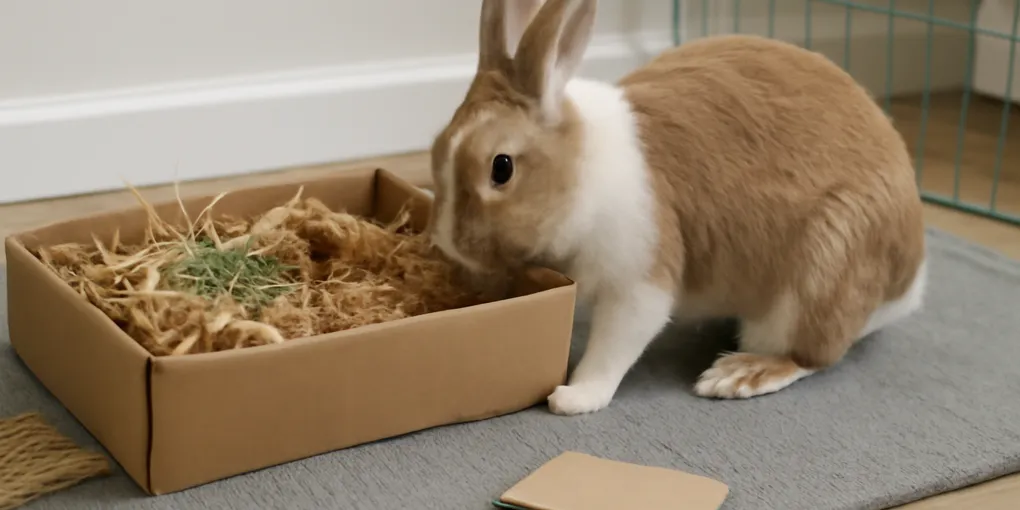
Shallow cardboard dig box with plain paper filler
★ Top pick Best starter setup- Note: Use unscented, uncoated paper and supervise chewing.
Washable low-sided storage bin
Best reusable base- Note: Choose a bin the rabbit can enter without jumping awkwardly.
Medical Disclaimer
A rabbit that stops eating, produces fewer droppings, strains, drools, tilts its head, or becomes suddenly quiet needs urgent veterinary care. This article covers enrichment, not treatment for pain, dental disease, urinary disease, or gastrointestinal stasis.
Short answer
Many indoor rabbits do better with a dig box because digging is a normal rabbit behavior. The box gives that behavior a safe target so carpet, couch seams, litter boxes, and bedding are less tempting. It is not a cure for boredom by itself, and it should not hide medical signs such as painful posture or sudden litter changes.
Use a dig box when your rabbit repeatedly scratches flooring, empties the litter box, bunches blankets, or starts destructive digging during active hours. Skip or modify it if your rabbit eats large amounts of filler, inhales dust, guards the box aggressively, or treats it as a toilet you cannot keep clean.
Quick picks for a safer rabbit dig box
- Start with plain paper filler if you need the lowest-mess trial. Choose unscented, uncoated kraft paper or similar plain shred, then mix in hay so the box encourages foraging instead of only tearing. Search Amazon for plain kraft paper dig-box filler
- Use a low-sided washable bin when cardboard collapses, gets urine-soaked, or attracts chewing. The best bin is shallow enough for easy entry, wide enough for a full turn, and smooth enough that no cracked edge can catch fur or skin. Search Amazon for low-sided rabbit dig-box bins
A simple starter setup
Start with a shallow cardboard box or low-sided plastic bin. Add plain shredded kraft paper, a handful of hay, and a few larger cardboard pieces. Put it on a washable mat in the rabbit’s exercise area, not in a cramped cage corner. Hide a small portion of daily pellets or herbs inside so the first session is foraging plus digging, not just shredding.
Search Amazon for plain kraft paper dig-box filler
If cardboard gets soaked or heavily chewed, switch to a washable bin and replace filler more often.
Search Amazon for low-sided rabbit dig-box bins
Rabbit dig-box evaluation
| Criterion | Weight | Score | Why it matters for indoor rabbits |
|---|---|---|---|
| Behavioral fit | 30% | 8.6 | Digging, shredding, and foraging are natural outlets when the target is safe. |
| Ingestion risk | 25% | 7.5 | Fillers must be chosen for chewing animals, not for decorative texture. |
| Dust and respiratory control | 20% | 7.8 | Dusty substrate is a poor tradeoff for enrichment. |
| Cleaning and litter separation | 15% | 7.8 | A dirty dig box quickly becomes an odor and fly problem. |
| Transparency | 10% | 8.0 | Owner observation decides whether the box helps or creates a new issue. |
| Composite | 8.0/10 | A dig box is useful enrichment when it is supervised, edible-risk aware, and easy to clean. |
Why digging matters
Rabbit welfare guidance consistently emphasizes space, hiding, chewing, and opportunities to perform normal behavior. The RSPCA rabbit behavior guidance describes digging, running, hiding, and exploring as normal rabbit behaviors. The House Rabbit Society behavior guidance describes how rabbit behavior reflects normal needs and stress signals, which is why a dig box should be watched rather than treated as a decoration.
That does not mean every rabbit needs the same box. A calm senior rabbit may prefer hay mats and tunnels. A young rabbit that attacks carpet corners may need a dedicated dig zone plus more exercise time.
Safer fillers
Plain paper
Plain shredded paper is the easiest starter filler because it is light, cheap, and easy to replace. Use unscented, uncoated paper. Remove pieces that become wet or heavily soiled.
Hay and cardboard
Hay makes the box smell familiar and supports foraging. Cardboard tubes and torn panels add resistance for rabbits that like to tug. Watch for large-scale cardboard eating; occasional nibbling is different from swallowing chunks.
What to avoid
Avoid clumping cat litter, dusty soil, scented bedding, cedar or pine shavings with strong odor, glossy mailers, packing peanuts, and fabrics that unravel into long threads. If your rabbit eats fleece, towels, or carpet fibers, do not add them to the box.
Placement protocol
Put the dig box near the problem area but not directly on top of a litter box. If the rabbit digs the carpet by the couch, place the box beside that corner and block the carpet edge with a washable mat. If the rabbit only digs in the litter box, make sure the actual litter box is large, clean, and filled with hay at one end before assuming the rabbit needs more enrichment.
For broader housing setup, our rabbit hay feeder litter box setup explains how hay placement changes bathroom behavior.
When digging is a warning sign
Sudden digging, restlessness, hiding, or litter changes can reflect pain or stress. Female rabbits may also show nesting-like behavior. If the behavior appears suddenly with appetite change, fewer droppings, urine changes, or aggression, treat it as a health clue and call a rabbit-savvy veterinarian.
Rabbit dig box FAQ
How often should I replace the filler?
Replace wet or soiled filler immediately and refresh the whole box when it smells dusty, stale, or urine-marked. Many homes need a partial tidy every day the box is used.
Can I use sand or soil indoors?
Usually skip it indoors unless your veterinarian or rabbit-savvy rescue has approved a specific setup. Dust, moisture, parasites, and mess make paper and hay safer starter choices.
What if my rabbit ignores the box?
Move it closer to the rabbit’s chosen digging corner, add hay, or hide a few daily pellets inside. If the rabbit still ignores it, try tunnels, chew mats, or cardboard castles instead of forcing one enrichment style.
How to tell whether it is working
A useful dig box changes the damage pattern. You should see more digging, shredding, and foraging inside the box and less attack on carpet seams or couch corners. It does not have to eliminate every scratch. It should lower the intensity and give you a place to redirect the rabbit before the behavior becomes destructive.
Track three things during the first week: how often the rabbit enters the box, whether filler is being swallowed, and whether litter habits stay stable. If droppings and urine move into the dig box, clean it more often or shift the box farther from the litter area. If the rabbit eats paper instead of shredding it, switch to hay-heavy filler or a cardboard tunnel.
Frequently Asked Questions
- Not every rabbit needs the same setup, but many benefit from a legal digging outlet if they scratch carpets, blankets, or litter corners.
- Plain shredded paper, hay, and cardboard pieces are common starter fillers. Avoid dusty, scented, clumping, or treated materials.
- No. A dig box is enrichment inside a larger routine that still includes space, hay, hiding places, and social interaction.