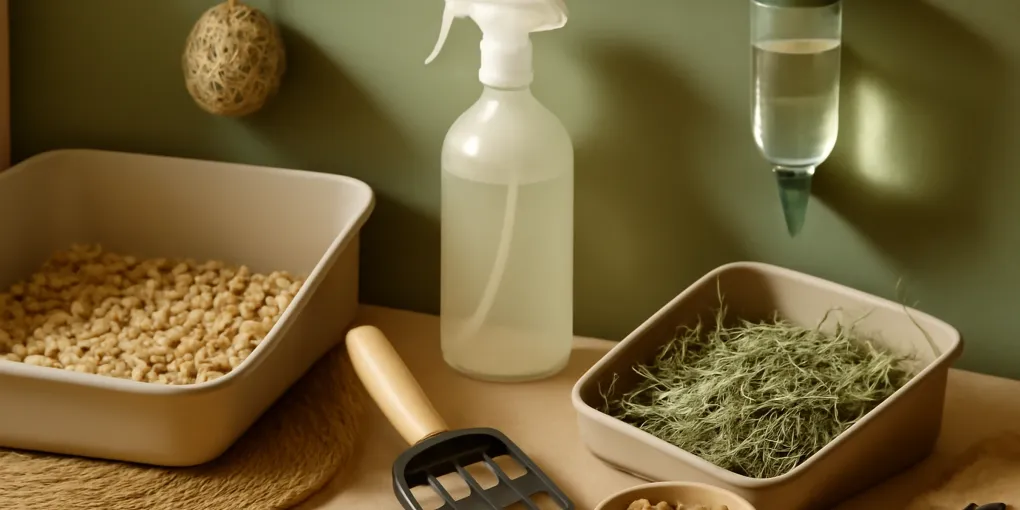
Rabbit Litter Training Protocol: A House-Rabbit Setup That Reduces Mess and Stress
ProtocolQuick picks
| Product | Key Specs |
|---|---|
| See price on Amazon |
|
| See price on Amazon |
|
Product availability, certifications, and retailer details can change; check the current Amazon page before buying.
Rabbit Litter Training Protocol: A House-Rabbit Setup That Reduces Mess and Stress
Rabbit litter training works best when it follows normal rabbit behavior instead of fighting it. Most rabbits already choose favorite corners for urine and many dry droppings. The job is to make the preferred toilet area bigger, safer, easier to reach, and more rewarding than the rug, sofa edge, or hallway corner. A good setup also keeps hay clean, protects feet from wet bedding, and helps you notice health changes early.
This protocol is for indoor companion rabbits living in an exercise pen, rabbit-proofed room, or supervised free-roam area. It is not a punishment plan. Rabbits do not respond well to scolding after the fact, and forcing a rabbit into a box can make the box feel unsafe. The method below uses enclosure layout, hay placement, predictable cleaning, and gradual expansion of freedom.
If your rabbit is not eating, produces no feces, strains to urinate, has blood in the urine, sits hunched, drools, grinds teeth in pain, or suddenly stops using a previously reliable box, treat that as a health problem first. Litter training can improve household hygiene, but it cannot diagnose urinary disease, dental pain, arthritis, gastrointestinal slowdown, or reproductive-tract disease.
For another example of how home observations can be organized into a practical routine, see our small pet enrichment safety guide. The same principle applies here: simple records beat vague impressions.
Rabbit litter-training scorecard
The G6/composite score is how this guide weighs a rabbit litter training setup. It is not a claim that one branded box fits every rabbit. It is a way to compare choices without giving extra credit to unnecessary features.
| Factor | Weight | What we evaluate | Strong result |
|---|---|---|---|
| Research | 30% | Whether the plan matches rabbit welfare, veterinary, and behavior principles. | The routine supports normal grazing, safe elimination, and stress reduction. |
| Evidence Quality | 25% | How directly the support applies to rabbits rather than cats, dogs, or generic pet gear. | Claims are limited to realistic husbandry outcomes: cleaner areas, easier monitoring, and better box preference. |
| Value | 20% | Whether the materials are safe, durable, appropriately sized, and easy to replace. | The owner buys a few useful items instead of a complicated system that is hard to clean. |
| User Signals | 15% | Common owner reports: hay mess, urine splash, digging, tipping, chewing, and missed corners. | The layout still works after a normal week of rabbit activity. |
| Transparency | 10% | Clear limits, maintenance burden, and warning signs. | Readers know what the setup can and cannot solve. |
A high-scoring setup usually has a large low-entry box, paper or aspen litter, a hay rack over or beside the box, washable flooring under the pen, and a plan for expanding territory only after habits are stable. A lower-scoring setup relies on scented litter, tiny corner pans, wire floors, punishment, or constant relocation of the box before the rabbit has learned the routine.
What litter training can realistically solve
Rabbit litter training can reduce urine accidents, concentrate most droppings in one area, simplify daily cleaning, and make free-roam time more manageable. It can also help you notice changes in urine color, volume, sludge, odor, and fecal output. Those observations matter because rabbits often hide illness until a problem is advanced.
The protocol cannot make every dry pellet disappear. Rabbits use droppings for communication, especially in new areas or near another rabbit. A few scattered fecal pellets around a pen boundary are different from puddles of urine on the floor. The goal is reliable urine placement and a manageable level of dry droppings, not a sterile home.
Age and reproductive status matter. Young rabbits commonly scatter more pellets as hormones rise. Intact adults may spray urine, chin-mark objects, and leave droppings to claim territory. Neuter or spay surgery, when recommended by a rabbit-savvy veterinarian, often improves litter habits and may reduce reproductive health risks. Training can start before surgery, but expectations should be modest during puberty and bonding.
Choose the right box first
Most failed setups begin with a box that is too small. A rabbit should be able to hop in easily, turn around, sit with all four feet inside, and eat hay without hanging half the body over the edge. For many dwarf and small rabbits, a medium cat litter pan is more useful than a triangular rabbit corner pan. For medium and large breeds, look at high-back cat pans, under-bed storage bins with a cut-down entrance, or concrete-mixing tubs with a low access point.
Box height is a balance. A high back reduces urine spray and kicked litter, but the entrance must not be so tall that an older, sore, or cautious rabbit avoids it. If the rabbit has arthritis, sore hocks, obesity, or poor balance, choose a low front and place absorbent washable pads around the entrance during training.
Avoid wire-bottom boxes as the primary surface. Rabbit feet are not built for narrow wire pressure, and sore hocks can make a rabbit avoid the very place you want it to use. If you use a grate to reduce digging, it should be smooth, stable, removable, and checked often for pressure points. Many households do better with a deeper layer of safe litter and a hay-management plan.
Use safe litter materials
Safe litter for rabbits is absorbent, low dust, unscented, and unlikely to clump inside the digestive tract if a little is investigated. Paper-based pellets are a common first choice because they absorb urine and are easy to spot-clean. Aspen shavings can also work when they are clean, dry, and low dust. Some owners use compressed hardwood stove pellets only when the product is free of accelerants or additives and breaks down safely when wet, but paper remains simpler for many homes.
Do not use clumping clay cat litter for rabbits. Rabbits groom themselves and may nibble new materials, so clumping products create avoidable ingestion risk. Avoid cedar and strongly aromatic pine shavings because volatile oils and heavy scent are not appropriate for rabbit housing. Also avoid perfumed litters, deodorizing crystals, and dusty bedding that leaves residue on the rabbit’s nose.
Depth matters. Start with enough paper or aspen litter to absorb urine without turning the bottom into a wet paste. In many boxes, a thin-to-moderate layer is enough because hay will sit above or beside it. If your rabbit digs out every box, try a larger box, slightly deeper litter, a hay rack that keeps the rabbit busy, and a washable mat outside the entrance rather than switching immediately to a restrictive grate.
Put the hay where the rabbit already wants to be
Hay placement is the engine of rabbit litter training. Rabbits naturally graze while eliminating, so the box should be the most convenient place to eat hay. Mount a hay rack over the litter box or attach it to the pen wall so the rabbit must sit inside the box to pull hay. The rack should be low enough for easy access but not so low that hay becomes soaked in urine.
A good hay rack over box arrangement solves several problems at once. It gives the rabbit a reason to enter the box repeatedly, keeps the cleanest hay off the floor, and lets dropped strands fall into the box instead of across the room. Use a rack with openings large enough for comfortable pulling but not so large that the rabbit can climb into it or trap the head. If your rabbit ignores racks, place a generous pile of hay at the clean end of the box and refresh it often.
Do not ration hay to make the box tidier. Rabbits need constant access to grass hay for dental wear, gut movement, and normal foraging. The cleaning plan should adapt to hay, not the other way around. Timothy, orchard, meadow, or other appropriate grass hays can all work if the rabbit eats them well.
Build the x-pen layout
Start in a limited space before offering the whole room. An x-pen lets you create a predictable territory: litter box in one back corner, hay rack above it, water and pellets away from the toilet area, hideout on the opposite side, and a washable floor surface underneath. The pen should be large enough for hopping, stretching, and resting, but not so large during week one that the rabbit can establish three new bathroom corners.
Place the box in the corner your rabbit already chooses if you know it. If the rabbit picks a different corner after a day or two, move the box there rather than treating the first placement as permanent. During early training, convenience matters more than symmetry.
For flooring, use a nonslip, washable surface such as a low-pile rug you can launder, a fleece layer over waterproof protection, or another rabbit-safe surface your rabbit does not chew. Slick floors can make rabbits hesitant to move quickly into the box. If the floor feels unsafe, the rabbit may choose the nearest absorbent rug instead.
Keep the first setup boring in the best possible way. One box, one hay station, one water source, one hideout, and a few chew-safe items are easier to interpret than a crowded pen full of baskets, tunnels, and soft beds that all smell new. After litter habits improve, enrichment can expand.
Seven-day training protocol
Day 1: Set the box in the chosen corner and load it with safe litter. Add hay above or inside the clean end. Put a small handful of existing droppings and a urine-soaked paper towel from an accident area into the box, if available, to make the scent cue clear. Let the rabbit explore without being chased.
Day 2: Spot-clean accidents outside the box promptly, but leave a small amount of used litter in the box so it remains recognizable. Use a rabbit-safe cleaning method on accident spots and remove absorbent rugs that keep inviting repeat use. Praise calm box visits with a quiet voice or a tiny portion of the rabbit’s normal greens.
Day 3: Watch for the rabbit’s preferred posture and timing. Many rabbits urinate after waking, after eating, and after returning to the pen. If you see tail lifting or backing into a corner outside the box, gently guide with a panel or your body position rather than grabbing the rabbit.
Day 4: If urine is mostly in the box, keep the pen size stable. Do not expand territory the moment you see progress. If accidents continue in the same non-box corner, add a second box there temporarily. Once habits are consistent, you may remove the less-used box or keep two boxes for convenience.
Day 5: Refresh hay more often than you change the entire box. Rabbits are more likely to use a box that has appetizing hay and familiar scent. Scoop wet areas and heavily soiled hay, then add clean material. A box scrubbed until it smells completely unfamiliar several times a day can slow learning.
Day 6: Offer supervised time just outside the pen after a successful box visit. Keep the session short, block access to favorite accident surfaces, and return the rabbit to the pen before it is overtired or distracted. Expansion should follow success, not hope.
Day 7: Review your notes. If urine is reliable and droppings are concentrated near the box, enlarge the exercise area slightly. If accidents are unchanged, adjust one variable at a time: box size, box location, hay access, litter material, or pen size. Changing everything at once makes it impossible to know what helped.
Territorial marking, bonding, and hormones
Territorial marking is normal rabbit communication. New rooms, new rugs, visiting pets, another rabbit’s scent, or a recent move can all trigger droppings outside the box. Urine spraying is more urgent because it is harder to clean and more strongly linked to hormones, stress, or conflict.
If your rabbit is intact, discuss neuter or spay timing with a veterinarian experienced with rabbits. Surgery is not an instant litter-training switch, and habits still need reinforcement, but many rabbits become easier to train once hormonal marking decreases. After surgery, follow the clinic’s activity and wound-care instructions before changing the pen or lifting the rabbit into boxes.
Bonded pairs may need larger boxes or multiple boxes. Two rabbits eating hay side by side can crowd a small pan, and the lower-ranking rabbit may avoid a box if the other rabbit guards it. Use a box big enough for both rabbits or provide two hay-box stations until the relationship is stable.
Cecotropes, droppings, and what not to over-clean
Rabbits produce ordinary fecal pellets and nutrient-rich cecotropes. Cecotropes are soft, clustered, and usually eaten directly from the body. Finding a rare uneaten cecotrope is not the same as a litter accident. Frequent uneaten cecotropes can point to diet imbalance, obesity, arthritis, dental pain, stress, or another health issue that deserves attention.
Do not punish or panic over dry pellets scattered near the box during early training. Sweep them into the box and continue the routine. Urine location is the more important benchmark. If droppings become tiny, misshapen, absent, very wet, or accompanied by reduced appetite, stop treating the problem as housekeeping.
The litter box is also a monitoring station. A normal day should include steady hay consumption, regular fecal output, and comfortable posture. Because rabbit digestion can change quickly, a clean but not over-sanitized box helps you see patterns without erasing every clue.
Maintenance schedule
Daily: Remove wet litter, soaked hay, and obvious piles of soiled material. Add fresh hay at least once or twice daily. Check that the hay rack is secure, the entrance is dry, and the rabbit’s feet are not staying damp. Sweep stray pellets into the box during training.
Every few days: Empty and rinse the box as needed for odor and moisture control. Dry it before refilling. Inspect plastic for chew damage, sharp edges, and urine scale. If the rabbit is chewing the box heavily, offer more appropriate chew items and consider a tougher pan with smooth edges.
Weekly: Wash the surrounding floor surface, rotate washable mats, and review your notes. Look for creeping changes: more urine near the entrance, more digging, refusal to enter, or hay left uneaten. Small changes often show that the setup has become less comfortable or that the rabbit needs a health check.
Avoid heavy fragrances. A box that smells strongly of cleaner may be more unpleasant to a rabbit than a lightly used box. The aim is hygienic, dry, and recognizable, not perfumed.
Common mistakes
The first mistake is buying a tiny corner pan because it says rabbit on the label. Many rabbits sit partly outside those pans, which creates the appearance of disobedience when the real issue is geometry. Choose a box based on the rabbit’s body, not the package photo.
The second mistake is placing hay across the room from the box. If the rabbit spends thirty minutes at the hay pile, the rabbit will eventually eliminate there. Put the main hay supply at the box and use smaller enrichment hay portions elsewhere only after training is reliable.
The third mistake is expanding space too quickly. A free-roam rabbit may need several litter stations, especially in a large home. Start with one dependable zone, then add access in stages. If accidents return, shrink the area temporarily and rebuild the habit.
The fourth mistake is cleaning every box until no rabbit scent remains while leaving accident spots smelling interesting. Outside accidents should be cleaned thoroughly; the box can keep a small amount of familiar used litter during the learning period.
The fifth mistake is ignoring pain. A rabbit that used to hop into a box but now urinates beside it may be avoiding the entry height. Lower the entrance and schedule veterinary advice if the change is sudden or paired with stiffness, appetite change, or reduced grooming.
Troubleshooting by pattern
Urine just outside the entrance usually means the rabbit reached the right place but the front is too high, the box is crowded, or the preferred urination corner is at the edge. Try a bigger pan, a lower entry, or turning the box so the high back matches the chosen corner.
Urine in multiple corners means the territory is too large for the current habit or the rabbit is marking. Reduce the pen size, add a temporary second box, and reassess stressors such as new pets, new flooring, or another rabbit nearby.
Digging all litter out of the pan may be play, boredom, or irritation with the substrate. Increase hay engagement, provide a separate digging box filled with rabbit-safe materials, and test a heavier paper pellet or aspen layer. Do not use unsafe clumping litter to stop digging.
Refusal to enter the box suggests fear, discomfort, scent aversion, or poor footing. Remove strong odors, check for sharp plastic, lower the entry, and place a nonslip mat at the approach. If the rabbit also moves less or resists handling, consider pain.
Excess uneaten cecotropes call for a diet and health review, not a stronger cleaning routine. Check pellet quantity, treats, body condition, and mobility. Rabbits need to reach the rear comfortably to consume cecotropes.
How to choose products without overbuying
You need fewer items than most shopping pages suggest. Start with a large litter box, safe litter, a secure hay rack, washable floor protection, a hand broom, and a rabbit-safe way to clean accident spots. Add a second box only if your layout or rabbit’s habits require it. If you are comparing current options, search broadly for a Search Amazon for large low-entry litter pan and Search Amazon for unscented paper pellet litter, then verify dimensions, material, scent status, seller, and return terms before buying.
Useful product features are plain: smooth plastic, rounded corners, a stable base, enough height on the back and sides, and an entrance the rabbit can use easily. A covered cat box may trap odor and feel cramped, although some confident rabbits like the privacy if the doorway is large. Automatic or sifting systems are usually unnecessary and can complicate monitoring.
For hay racks, choose sturdy attachment points and safe spacing. For floor protection, choose materials your rabbit does not chew or ingest. For litter, buy a small bag first if changing material; rabbits can reject a new smell or texture. Value comes from compatibility with your rabbit’s habits, not from having the most parts.
When to stop training and call for help
Stop the training plan and seek veterinary advice if your rabbit has appetite loss, no droppings, diarrhea, repeated straining, loud tooth grinding, severe lethargy, a swollen belly, blood in urine, urine scald, sudden aggression when lifted, or a dramatic change in litter habits. These are not training failures.
Also get guidance if your rabbit repeatedly sits in wet litter, develops sore hocks, cannot climb into a low box, or leaves many cecotropes uneaten. The solution may involve pain control, diet adjustment, weight management, dental care, or a different housing setup.
If the rabbit is healthy but the household remains stuck, ask a rabbit rescue, exotic-animal veterinary team, or experienced rabbit behavior professional to review photos of the pen. Layout details are easier to fix when someone can see box placement, hay access, flooring, and traffic patterns.
Visible FAQ
How long does rabbit litter training take?
Many rabbits show improvement within a week in a well-arranged x-pen, but reliability can take several weeks. Young, intact, newly adopted, or recently moved rabbits often need more time. Judge progress by urine placement first, then by the number of dry droppings outside the box.
What is the best litter for rabbits?
Unscented paper-based litter is the easiest starting point for many homes. Aspen can also be appropriate when it is clean and low dust. Avoid clumping clay, scented litter, cedar, and heavily aromatic shavings. If your rabbit chews or digs heavily, choose the safest material first and solve mess with box size and layout.
Should the hay rack be over the litter box?
Yes, in most setups the main hay rack should be over or directly beside the litter box so the rabbit eats while sitting inside the box. Keep hay accessible and clean. If the rabbit will not use a rack, place hay at the clean end of a large box and refresh it often.
Why does my rabbit still leave pellets around the room?
Dry pellets can be territorial marking, especially in new spaces or near other rabbits. Sweep them into the box and limit territory until urine habits are consistent. A few dry pellets are less concerning than urine accidents, appetite changes, or abnormal stool.
Will neutering or spaying fix litter habits?
It often helps, especially with urine spraying and hormonal marking, but it is not the whole protocol. The rabbit still needs a large box, safe litter, hay in the right place, and gradual freedom. Discuss timing, anesthesia, recovery, and individual risks with a rabbit-savvy veterinarian.
Can I use a cat litter box for a rabbit?
Often, yes. Many cat pans are better sized than small rabbit corner pans. Choose an uncovered or roomy design with a low enough entry, smooth sides, and enough space for the rabbit to turn around. Avoid clumping cat litter even if the box itself is suitable.
Why is my rabbit eating cecotropes in or near the box?
That can be normal. Cecotropes are usually eaten directly and may not be noticed. Frequent uneaten cecotropes, smeared soft clusters, or a rabbit that cannot reach them should prompt a review of diet, body condition, mobility, and health.
Bottom line
A successful rabbit litter training protocol is mostly architecture: a large low-entry box in the chosen corner, paper or aspen litter, hay positioned so the rabbit sits in the box to graze, and an x-pen layout that expands only after success. Clean enough to protect health, but keep the box familiar during training. Expect some dry territorial pellets, especially during transitions, and take sudden changes seriously. When the setup respects rabbit behavior, the home becomes cleaner and the rabbit gains a safer, more predictable living space.
Sources and evidence notes
- RSPCA rabbit welfare and housing guidance: https://www.rspca.org.uk/adviceandwelfare/pets/rabbits
- Merck Veterinary Manual rabbit and small mammal health resources: https://www.merckvetmanual.com/
- House Rabbit Society litter training and housing resources: https://rabbit.org/
- American Veterinary Medical Association pet care resources: https://www.avma.org/resources-tools/pet-owners/petcare