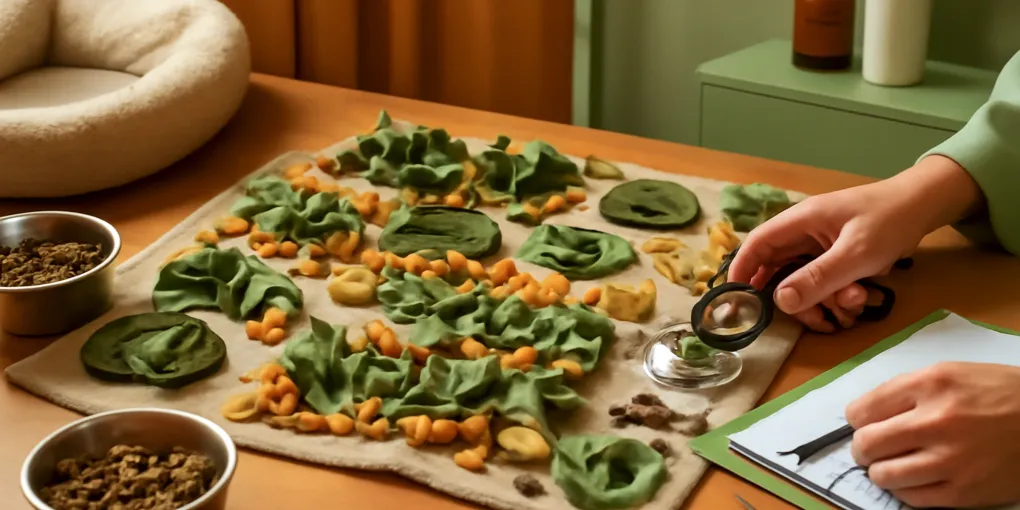
How to Set Up a Dog Snuffle Mat Routine Without Overfeeding
ProtocolQuick picks
| Product | Key Specs |
|---|---|
| See price on Amazon |
|
| See price on Amazon |
|
| See price on Amazon |
|
Product availability, certifications, and retailer details can change; check the current Amazon page before buying.
Bottom line
A dog snuffle mat works best as a short scent-search routine using part of the dog’s normal food allowance, not as an unlimited treat dispenser. The goal is calm foraging: nose down, slow searching, and an easy cleanup. The routine fails when owners add too many calories, let the dog shred fabric, or use the mat to avoid exercise, training, or veterinary care.
Pet Science Review rates snuffle mats higher when they are washable, have secure stitching, offer adjustable difficulty, and can be removed after each session. Dogs that guard food, swallow fabric, have severe allergies, or show compulsive chewing need a more cautious plan and possibly professional guidance.
PSR Composite Score
| Criterion | Weight | Score | Weighted | Snuffle-mat rationale |
|---|---|---|---|---|
| Research | 30% | 8.4 | 2.52 | Canine enrichment and scent-work principles support low-impact foraging opportunities. |
| Evidence Quality | 25% | 8.0 | 2.00 | Evidence is strongest for species-typical activity and reward-based routines; mat-brand trials are limited. |
| Value | 20% | 8.5 | 1.70 | A washable mat can turn existing kibble into structured enrichment without many consumables. |
| User Signals | 15% | 8.0 | 1.20 | Owner success depends on washing, portion control, supervision, and matching difficulty to the dog. |
| Transparency | 10% | 9.0 | 0.90 | Starter options are judged by washable design, supervision fit, portion control, and chewing risk. |
| Composite | 100% | 8.32/10 | Excellent low-impact routine when calories and chewing risk are controlled. |
Starter gear
- washable dog snuffle mat search — choose this route if laundry and odor control are the priority.
- large dog snuffle mat search — compare size and non-slip backing for bigger dogs that paw hard.
- beginner dog snuffle mat search — simpler folds and wider pockets for dogs new to food puzzles.
Seven-day routine
Day 1: Sprinkle five to ten pieces of kibble on top of the mat while the dog watches. Say one cue such as “find it,” let the dog search for one minute, then pick up the mat.
Day 2: Hide the same small amount under shallow fabric flaps. Stop while the dog is still successful. If the dog grabs and shakes the mat, reduce difficulty and hold the edge calmly.
Day 3: Use part of breakfast or dinner rather than extra treats. Add a second one-minute round only if the dog remains relaxed.
Day 4: Introduce two easy hiding zones and one slightly harder zone. Avoid tiny treats that fall deep into seams and encourage frantic digging.
Day 5: Wash or at least shake and inspect the mat. Look for loose threads, damp spots, and food crumbs.
Day 6: Pair the mat with a predictable transition, such as after a walk or before a crate rest, so it supports calm behavior instead of replacing exercise.
Day 7: Decide the ongoing cadence: three to five short sessions per week is enough for many dogs. Daily use is fine only if food portions are adjusted.
Portion control
Measure the dog’s daily food before loading the mat. If the mat uses kibble from meals, it is enrichment. If it adds repeated treats on top of meals, it can quietly drive weight gain. For dogs on prescription diets, elimination trials, pancreatitis precautions, or weight-loss plans, ask the veterinary team what rewards are allowed.
Small soft treats can make the mat exciting, but they also smear and increase washing needs. For routine use, dry kibble or single-ingredient rewards are easier to track.
Safety and frustration signs
A good session looks like sniffing, nudging, and slow searching. Stop if the dog bites fabric, guards the mat, growls when a person approaches, flips the mat repeatedly, or becomes frantic. Those are not signs that the mat is “working harder”; they are signs the setup is too difficult or not appropriate unsupervised.
Use the mat on a flat, non-slip surface. Avoid placing it near another pet’s food area. Pick it up when empty so it does not become a chew toy.
Cleaning protocol
Shake crumbs out after every session. Wash on the product’s recommended cycle after wet food, drool-heavy use, or outdoor exposure. Dry completely before folding. If the mat smells sour, has trapped hair, or has hidden food that cannot be removed, retire it. Fabric enrichment is only useful while it remains clean enough for repeated nose contact.
Common mistakes
- Loading the mat with extra treats instead of subtracting from the day’s food.
- Leaving it down all day until the dog chews the fleece.
- Starting with deep pockets that frustrate a beginner.
- Using the mat for dogs with active resource guarding without professional advice.
- Forgetting to wash after soft food or high-drool sessions.
Internal reading
For broader dog enrichment, see best senior dog nose work kit and how to set up a safe puppy chew station. For emergency basics, see how to build a pet first aid kit.
Choosing the right difficulty
Beginner mats should have wide folds, obvious pockets, and enough space for the dog’s muzzle. Dense fleece forests may look impressive online, but they can frustrate dogs that have never searched fabric for food. A flat towel with kibble rolled loosely inside can be a better first step for puppies, seniors, and dogs recovering from injury.
Intermediate mats can add layered flaps, cups, and tighter hiding spots. Increase difficulty only when the dog searches calmly and leaves the fabric intact. Advanced setups should still be short. A dog that needs twenty minutes to empty a mat may be working too hard for a daily routine, especially if the session delays meals or creates guarding around food.
Matching the routine to the dog
High-energy dogs may benefit from a snuffle mat after physical exercise, when the goal is shifting from movement to calm. Using it before a walk can frustrate a dog that urgently needs to go outside. Senior dogs may enjoy the low-impact scent work, but the mat should be placed where standing is comfortable and slipping is unlikely.
For anxious dogs, keep the first sessions predictable and private. Do not let children hover over the mat or another pet circle nearby. For dogs with resource guarding history, professional behavior guidance is safer than experimenting with food puzzles in a busy kitchen.
Food choices and calorie math
The easiest calorie rule is subtraction. If the mat contains one quarter cup of kibble, remove that amount from the meal bowl. If it uses training treats, count them as part of the day’s rewards. Dogs on weight-loss plans can still use mats, but the food should come from measured meals and the veterinarian’s target calories.
Wet food, peanut butter, and soft treats can make scent work more intense, but they are messier and easier to overfeed. They also increase allergy and pancreatitis concerns for some dogs. Keep routine sessions boring enough to repeat: measured kibble, a few approved treats, and water nearby.
Household rules
Use one cue to start and one routine to end. For example, say “find it,” place the mat down, then pick it up and say “all done” when empty. This teaches the dog that the mat is a supervised activity, not a floor decoration. Store it out of reach between sessions.
If multiple dogs live together, run separate sessions unless each dog can search without tension. Food puzzles can create competition even among dogs that normally share space well. Rotate dogs through a quiet room or use crates and gates so each dog can work without pressure.
Troubleshooting
If the dog flips the mat, reduce the food value and hold the corners for a few sessions. If the dog chews fleece, end the session and try a hard puzzle feeder or scatter feeding on a clean floor instead. If the dog gives up, make the food visible and praise easy wins. If the dog becomes frantic, shorten the session and use lower-value kibble.
Vomiting after mat use may mean the dog swallowed too much air, ate too quickly once food was found, or consumed an unsuitable treat. Pause the routine and check with a veterinarian if vomiting repeats or if the dog has known digestive disease.
How we weighed the evidence
Snuffle mats are supported by broader enrichment principles rather than brand-specific trials. Dogs are natural scavengers and scent users, and reward-based food searching can provide mental activity. We scored routines by whether they preserve nutrition control, avoid punishment or pressure, and keep fabric safe. Claims that a mat cures anxiety, replaces exercise, or fixes behavior problems were treated as marketing overreach.
No-buy starter version
Before purchasing, scatter part of a meal across a clean towel, roll it loosely, and supervise. If the dog sniffs calmly and leaves the towel intact, a washable mat may be worthwhile. If the dog immediately shreds, guards, or swallows fabric, buying a more complex mat is not the next step. Try simpler scatter feeding or ask a trainer for help.
Progress markers
Track calm behavior rather than how fast the dog empties the mat. Useful signs include sniffing before pawing, pausing between finds, responding to the end cue, and walking away relaxed. If the dog finishes faster every day but becomes pushier around food, the routine is becoming too exciting. Reduce the food value, shorten the session, or move it to a quieter time.
For senior dogs, progress may mean comfortable standing and gentle nose work rather than speed. For puppies, progress may mean learning that fabric is not for chewing. For dogs on weight plans, progress includes stable body condition and no hidden calorie creep. The mat is successful when it makes the day more predictable without creating a new management problem.
When to skip a session
Skip the mat when the dog is nauseated, guarding food, recovering from dental work, or too overstimulated to search calmly. Skip it when the mat is damp or dirty. Skip it when another pet is loose and likely to intrude. A routine is only useful when the setup is controlled; using the mat at the wrong time teaches frantic habits and can make future sessions harder.
Session log for the first week
A simple log prevents the routine from drifting into extra calories. For each session, write the food amount, time to finish, frustration signs, and fabric condition. A good early session looks boring: the dog sniffs, finds the food, and disengages when the mat is empty. If the dog grabs the mat, barks at it, or starts tearing strips, the difficulty is too high or the supervision window is too loose.
Use the log to decide when to progress. Add difficulty only after several calm sessions in a row, and change one variable at a time: deeper folds, a slightly larger area, or a different room. Do not combine a new mat, new treats, another dog nearby, and a longer session on the same day. Reliable enrichment comes from predictable repetition, not from constantly making the puzzle harder.
FAQ
How long should a snuffle mat session last?
Start with one to three minutes. Many dogs benefit more from short, successful searches than from a long session that turns into chewing or frustration.
Can puppies use snuffle mats?
Yes, with supervision and very easy hiding spots. Pick up the mat immediately afterward so the puppy does not practice chewing fabric.
Do snuffle mats replace walks?
No. They add scent-based enrichment, but dogs still need appropriate movement, bathroom breaks, social contact, training, and rest.
Final owner checklist
Keep the routine if the dog searches calmly, calories stay within the daily plan, the mat washes clean, and no fabric damage appears. Pause the routine if the dog guards the mat, swallows pieces, vomits after sessions, or becomes more frantic instead of calmer.
Sources
- AVMA: Dog care — preventive-care context for exercise, weight, supervision, and veterinary escalation.
- WSAVA Global Nutrition Toolkit — body-condition and diet-management resources for portion control.
- AVMA: Selecting safe pet toys — owner-level safety context for supervised toys, chewing risk, and damaged-item removal.
- American Veterinary Society of Animal Behavior: Position statements — supports humane, reward-based behavior work and low-pressure training routines.