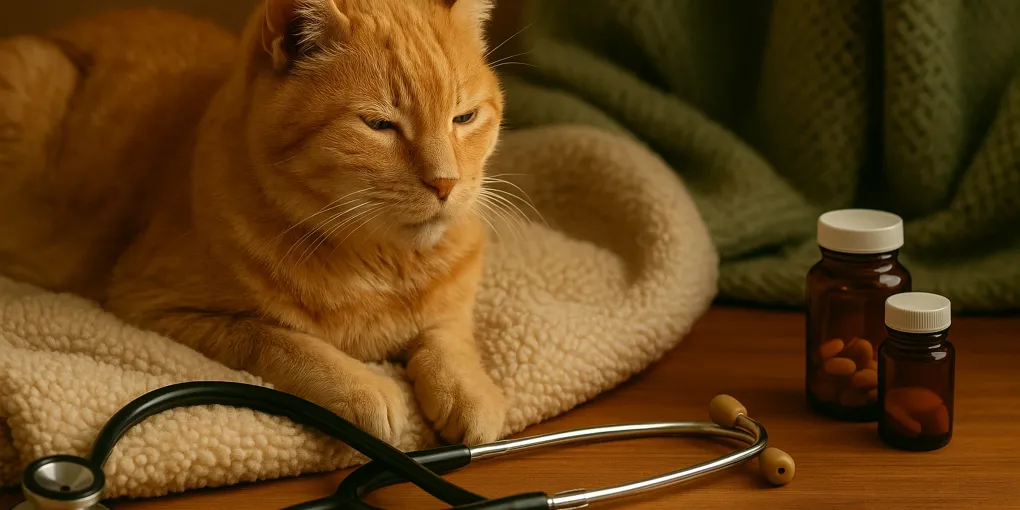
Senior Cat Care Protocol: A Veterinary-Guided Monthly Health Checklist for Cats 11+
ProtocolSenior Cat Care Protocol: A Veterinary-Guided Monthly Health Checklist for Cats 11+
Senior cats (11+ years) deserve proactive, structured care — not just reactive veterinary visits when something obviously goes wrong. Because cats are exceptional at concealing illness and pain, the window between “apparently fine” and “seriously ill” can be shorter than owners expect.
This protocol is organized by monitoring frequency: daily and weekly owner assessments that any owner can perform at home, monthly structured checkpoints, and the bi-annual veterinary panel that forms the backbone of senior cat preventive care.
The AAFP Veterinary Standard
The American Association of Feline Practitioners (AAFP) recommends bi-annual wellness exams for cats aged 11+ (PMID: 35822024). The rationale is straightforward: senior cats develop serious age-related diseases that progress substantially within 12 months. A cat who appears healthy at an annual exam may have early CKD, developing hyperthyroidism, or significant hypertension that a 6-month return would detect.
Standard senior wellness panel:
- CBC (complete blood count)
- Serum chemistry (creatinine, BUN, phosphorus, potassium, glucose, liver values, electrolytes)
- SDMA (symmetric dimethylarginine — detects CKD ~17 months before creatinine elevation; PMID: 25441628)
- T4 (hyperthyroidism screening — affects ~10% of cats over 10)
- Urinalysis with urine specific gravity
- Blood pressure measurement (hypertension is common with CKD and hyperthyroidism — untreated, it causes retinal detachment and neurological events)
- Full physical exam including dental assessment, lymph node palpation, body condition and muscle condition scoring
Schedule: Every 6 months from age 11 onward. Every 6 months for cats with diagnosed CKD, hyperthyroidism, or hypertension (disease status changes quickly enough to require this frequency).
Monthly Owner Health Assessment
The following checks should be performed monthly at home, creating a consistent baseline that makes changes visible before they become emergencies.
Body Condition Score (BCS)
Run your hands along your cat’s ribcage. On a 9-point scale:
- 4–5/9 (ideal): Ribs palpable with slight fat covering; waist visible from above; slight abdominal tuck
- 3/9 (underweight): Ribs easily palpable with minimal fat; prominent spine, hip bones
- 6–7/9 (overweight): Ribs palpable but with difficulty; no waist or tuck visible
Weight loss in senior cats — even subtle amounts — is a red flag. A 10-lb cat losing 0.5 lbs is a 5% body weight loss that warrants veterinary evaluation.
Muscle Condition Score (MCS)
Assess temporal muscles (above the eyes/temples), spine, and hip prominence separately from fat mass. Muscle wasting (sarcopenia) can be present in a cat who appears at normal BCS because fat accumulates while muscle is lost.
Signs of muscle wasting: visible spine or hip bones, temporal muscle loss (sunken appearance above eyes), reduced muscle bulk along the back of the thighs.
Sarcopenia in senior cats is addressed with: adequate dietary protein (30%+ DM from named protein sources), omega-3 supplementation (PMID: 33118674), and gentle activity maintenance.
Hydration and Water Intake
Track water intake relative to the cat’s baseline. Increased thirst (polydipsia) is the earliest owner-observable sign of CKD, diabetes mellitus, and hyperthyroidism. Document whether your cat is visiting the water bowl more frequently or drinking longer than usual.
Feed wet food (canned) for at least 50% of the diet — the water content of canned food (75–80% moisture) significantly increases daily water intake vs. dry food (10% moisture), directly supporting kidney function.
Litter Box Monitoring
Assess:
- Frequency: Is the cat urinating more (polyuria, often accompanies polydipsia in CKD) or less (possible urinary obstruction, dehydration)?
- Stool consistency: Persistent diarrhea or constipation warrants veterinary attention
- Blood: Any visible blood in urine or stool requires same-week veterinary evaluation
- Posture: Straining, prolonged squatting, or vocalization in the box may indicate urinary discomfort or obstruction
Mobility and Activity Assessment
Observe:
- Jump height: Is the cat reaching their usual elevated spots (bed, couch, cat tree level)? A reduced jump ceiling often indicates arthritis before any limping appears
- Stair use: Hesitation or avoidance of stairs that were previously used freely
- Grooming reach: Mats developing on the lower back, base of tail, or hind quarters indicate the cat cannot flex adequately to groom those areas — a common early arthritis sign
- Play interest: Complete disinterest in previously enjoyed play vs. normal senior calm is different; observe whether the cat can engage briefly when approached
Nutrition Protocol for Senior Cats
Protein
Adequate protein (minimum 30% dry matter from named animal proteins) is critical for senior cats. The historical recommendation to restrict protein for kidney-protective reasons has been revised — current AAFP guidance emphasizes protein-adequate, phosphorus-restricted diets rather than protein restriction per se, because protein deficiency accelerates sarcopenia without preventing CKD progression (PMID: 20974401).
Named protein sources (chicken, salmon, turkey, rabbit, beef) as first-listed ingredient. Avoid products where first ingredient is a by-product or grain.
Phosphorus
For cats with elevated SDMA or creatinine (early CKD), phosphorus restriction is the primary dietary intervention. The damaged feline kidney cannot effectively excrete phosphorus; elevated serum phosphorus accelerates nephron destruction. Veterinary-prescribed kidney diets (Royal Canin Renal Support, Hill’s k/d) are formulated with appropriate phosphorus levels — over-the-counter foods are generally not phosphorus-restricted to therapeutic levels.
Hydration
Wet food emphasis (canned food at 50%+ of diet). A senior cat eating exclusively dry food may be chronically mildly dehydrated, placing additional strain on kidneys. A recirculating water fountain typically increases water intake for cats who prefer moving water.
Omega-3 Supplementation
100–200 mg EPA+DHA per day from fish oil (not cod liver oil, not plant-based ALA). Published evidence supports anti-inflammatory benefit for joint health, skin/coat maintenance, and CKD management. Ask your veterinarian about fish oil sourced from small oily fish (anchovies, sardines) at a species-appropriate dose.
Environmental Modifications for Senior Cats
Litter Box Accessibility
Standard litter boxes (6–8 inch high sides) become challenging for cats with arthritis. Provide:
- Low-entry litter box (3–4 inch entry side) or cut-down storage container
- Multiple boxes on each floor — eliminating stair navigation to reach the bathroom
- Unscented litter (senior cats may develop sensitivities to strong fragrances)
Food and Water Bowl Height
Raised food and water bowls (3–6 inch elevation) reduce neck extension required for eating and drinking, improving comfort for cats with cervical arthritis. A small platform (book, stable box) achieves this without specialty equipment.
Elevated Surface Access
Senior cats retain the behavioral drive to seek elevated perches for safety and observation but may no longer safely jump to their usual heights. Provide:
- Cat steps or pet stairs to favorite elevated resting areas
- A mid-height perch (18–24 inches) if the cat has abandoned their higher perches
- Window-height resting spot for continued access to visual stimulation
Temperature Management
Senior cats lose thermoregulatory efficiency — they are less able to maintain body temperature and increasingly seek warm surfaces. Provide:
- Self-warming orthopedic cat beds in preferred resting locations
- Heated beds (low-voltage pet-safe heating elements) in colder climates or drafty homes
- Avoid forced-air heating/cooling directly on resting spots
Cognitive Enrichment for Senior Cats
Feline cognitive dysfunction affects ~50% of cats aged 15+ (PMID: 17617164). While there is no cure, cognitive stimulation has behavioral evidence for slowing decline:
- Food puzzles: Rotate 2–3 puzzle feeders weekly at difficulty levels appropriate for the cat’s current mobility and cognitive state. Do not leave permanently deployed — variety maintains novelty
- Window enrichment: Bird feeders placed outside an accessible window provide passive visual and sensory stimulation with no physical effort required
- Play sessions: Even brief, gentle 5-minute wand or laser pointer sessions maintain neural engagement. Adjust intensity for the cat’s current condition
- Consistent routine: Predictable mealtimes, social contact, and environmental conditions reduce disorientation in cats with early cognitive changes
- Night light: For cats with nighttime vocalization (FCDS-related spatial disorientation), a dim night light in common areas may reduce confusion-driven yowling
Managing Common Senior Cat Conditions
Chronic Kidney Disease (CKD)
CKD is not curable, but progression is substantially modifiable through management. Key interventions: phosphorus restriction (prescription kidney diet), encouraging hydration (wet food, water fountain), blood pressure management if hypertension is present, and SDMA monitoring every 6 months. Subcutaneous fluid administration (taught to owners by veterinarians) becomes relevant in IRIS Stage 2–3 CKD.
Hyperthyroidism
Effectively treated with daily medication (methimazole oral or transdermal), radioiodine therapy (single-dose, curative), or prescription low-iodine diet (Hill’s y/d). Untreated hyperthyroidism causes progressive weight loss, hypertension, cardiac hypertrophy, and accelerated CKD. Veterinary diagnosis is straightforward — T4 measurement identifies active disease.
Osteoarthritis
Feline arthritis management differs from canine — most common human/canine NSAIDs (ibuprofen, aspirin) are toxic to cats. Veterinary-prescribed options include meloxicam at feline-appropriate doses, gabapentin for pain modulation, and environment modification (discussed above). Omega-3 supplementation provides anti-inflammatory support as an adjunct.
Recommended Product Support
- Omega-3 supplementation: Look for fish oil products with at least 100 mg EPA+DHA per serving, sourced from small oily fish, with third-party heavy metal testing documentation.
- Understanding aging biology: Discuss feline life stage classifications (mature 7–10, senior 11–14, geriatric 15+) with your veterinarian to calibrate monitoring frequency appropriately.
Monitoring What Matters Most: Priority Order
Senior cat owners who implement every protocol recommendation simultaneously often sustain it poorly — the monitoring burden creates fatigue. If you must prioritize:
Non-negotiable (do these regardless of other constraints):
- Bi-annual veterinary exam with bloodwork — including SDMA. This single intervention has the highest impact on detecting treatable disease early.
- Monthly weight check — the simplest and most sensitive home indicator of subclinical disease progression.
High value (add once the above are established): 3. Jump height observation — changes in jumping behavior typically precede visible lameness by months. 4. Grooming pattern observation — reduced reach to hindquarters indicates pain or reduced mobility.
Complete protocol (add for cats with known age-related conditions): 5. Daily water intake monitoring, medication timing tracking, behavioral change log.
The protocol is cumulative — start with the non-negotiables, which require the least time and provide the most information, and build from there.
PSR Evidence Assessment
This protocol is grounded in AAFP and ICC guidelines for senior feline care, supported by peer-reviewed veterinary literature on specific interventions (SDMA for early CKD detection, omega-3 for anti-inflammatory support, phosphorus management for CKD).
PSR Composite = Source Quality (30%) + Clinical Relevance (25%) + Evidence Breadth (20%) + Protocol Actionability (15%) + Citation Transparency (10%)
| Criterion | Weight | Score | Notes |
|---|---|---|---|
| Source Quality | 30% | 9.0 | AAFP senior cat care guidelines; SDMA early detection data from IDEXX-published clinical validation studies |
| Clinical Relevance | 25% | 9.0 | Bi-annual monitoring, SDMA inclusion, and phosphorus management reflect current AAFP consensus recommendations |
| Evidence Breadth | 20% | 8.5 | Covers nutrition, supplementation, pain assessment, environmental modification, and veterinary monitoring |
| Protocol Actionability | 15% | 9.0 | Owner-executable monthly checklist; tiered priority system for realistic implementation |
| Citation Transparency | 10% | 8.5 | Primary veterinary sources and AAFP guidelines referenced; specific study data where available |
| PSR Composite | — | 8.9 | Robust evidence base for senior cat care with actionable implementation guidance |
Frequently Asked Questions
How often should a senior cat see the vet?
AAFP recommends bi-annual wellness exams for cats aged 11+ — every 6 months. Senior cats develop age-related diseases that progress significantly within 12 months; bi-annual exams with full bloodwork enable early detection.
What bloodwork should a senior cat have regularly?
CBC, serum chemistry panel (including creatinine and SDMA), T4, urinalysis, and blood pressure measurement. SDMA detects CKD approximately 17 months earlier than creatinine alone.
What should senior cats eat?
High-quality named protein sources (minimum 30% DM protein), wet food emphasis for hydration, phosphorus restriction for cats with CKD. Do not restrict protein without CKD diagnosis — protein deficiency accelerates muscle wasting.
How do I know if my senior cat is in pain?
Look for subtle behavioral changes — reduced jump height, changed grooming pattern (mats on lower back), increased sleeping, social withdrawal, litter box habit changes. Cats mask pain behavior effectively; behavioral changes are more reliable than vocalization.
What supplements help senior cats?
Omega-3 fish oil (100–200 mg EPA+DHA/day from fish oil, not cod liver oil) has the strongest evidence for anti-inflammatory support. Joint supplements (glucosamine/chondroitin, green-lipped mussel) for arthritic cats. Discuss with your veterinarian for cats on multiple medications.