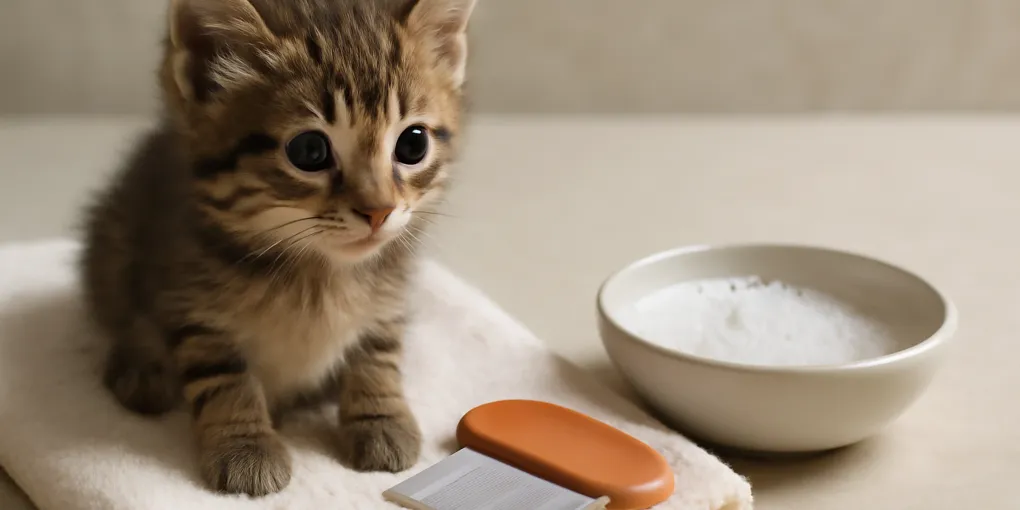
Best Cat Flea Combs for Kittens: Safer First-Line Picks Before Chemicals
Buyer's GuideSafari Cat Flea Comb
Best everyday combBest for: Most kittens and small cats when you need fine teeth and a simple handle
$6–$12
Quick picks
| Product | Key Specs |
|---|---|
| See price on Amazon |
|
| See price on Amazon |
|
| See price on Amazon |
|
Product availability, certifications, and retailer details can change; check the current Amazon page before buying.
Best Cat Flea Combs for Kittens: Safer First-Line Picks Before Chemicals
The best flea comb for a kitten is a small, fine-tooth metal comb that lets you check the neck, chin, tail base, and belly without scraping delicate skin. A comb is not a full flea-control plan, but it is one of the safest first tools for very young kittens while you contact a veterinarian about age-appropriate treatment.
Kittens are not tiny adult cats. Many flea products have minimum age and weight limits, and some dog flea products are dangerous for cats. If a kitten is pale, weak, heavily infested, losing weight, or too young for over-the-counter medication, skip the shopping comparison and call a vet or rescue clinic.
For broader parasite prevention, see our dog flea and tick prevention guide for product-label thinking and our safe tick removal protocol for why small parasite tools need calm handling.
Quick picks for kitten flea combs
- Search Amazon for Safari cat flea comb if you want the simplest fine-tooth comb for daily kitten checks.
- Search Amazon for Hartz cat flea comb if you need a low-cost spare for the bathroom, carrier bag, or foster kit.
- Search Amazon for Frisco cat flea comb if a wider handle helps you work slowly without pinching the comb.
- Search Amazon for shallow stainless pet bowl for the soapy water cup used to drown removed fleas.
PSR G6 score for a kitten flea comb setup
| Factor | Weight | Score | Weighted contribution |
|---|---|---|---|
| Research fit | 30% | 4.3 | 1.29 |
| Evidence quality | 25% | 3.9 | 0.98 |
| Value | 20% | 4.7 | 0.94 |
| User signals | 15% | 4.2 | 0.63 |
| Transparency | 10% | 4.4 | 0.44 |
| Composite | 100% | 4.3/5 |
A flea comb scores well because it is cheap, visible, and easy to inspect. It scores lower than a veterinary flea-control plan because combing misses eggs, larvae, pupae, and fleas elsewhere in the home.
What to look for before buying
Choose metal teeth, not soft plastic teeth. Fleas and flea dirt are small enough that a wide pet comb can slide right over them. The teeth should be close together, evenly aligned, and smooth at the tips. Run the comb gently across your wrist before using it on a kitten; any sharp snag belongs in the trash.
A small comb face is usually better than a large one for kittens. You need to work around ears, armpits, chin folds, and the tail base. A giant grooming rake may look efficient, but it is awkward on a squirming two-pound animal.
Grip matters when the kitten is scared. A molded handle can help if your hands get wet from dipping the comb. A plain metal or plastic handle is fine if you keep sessions short and have a towel ready.
How each pick fits a real kitten problem
Safari Cat Flea Comb
The Safari-style fine-tooth cat comb is the default choice for most homes because it is small, inexpensive, and easy to replace. It is best when you are checking one kitten once or twice daily while the veterinarian decides what medication, if any, is safe.
Use light pressure. Comb with the hair direction first, then part dense fur with your fingers. Dip captured fleas into soapy water immediately so they do not jump back onto the kitten or towel.
Hartz Groomer’s Best Flea Comb for Cats
A budget flea comb is useful when you are fostering kittens, checking multiple cats, or keeping one comb near the laundry sink. The buying test is simple: teeth should be straight, tightly spaced, and comfortable on skin. Do not keep using a cheap comb that bends or scratches.
This is also the pick for quick checks after bedding changes. Comb the chin, neck, rump, and base of tail. Black specks that turn reddish-brown on a damp paper towel suggest flea dirt.
Frisco Flea Comb for Cats
A comfort-handle comb is worth considering if your kitten needs repeated sessions or if your hand cramps with flat handles. The larger grip can make slow, shallow strokes easier.
The trade-off is availability and size variation. Check the current listing photo and dimensions. A handle that helps the human is not useful if the comb face is too wide for a tiny kitten.
What a comb cannot solve
A comb removes adult fleas from the kitten in front of you. It does not treat the carpet, bedding, mother cat, littermates, or eggs already developing in the room. A kitten can look better after one combing session and be covered again the next day.
That is why heavy infestations need veterinary help. Fleas can cause anemia in young kittens. If gums look pale, the kitten is lethargic, or you are removing dozens of fleas, treat it as a medical problem rather than a grooming inconvenience.
Safer combing setup
Use a warm room, a towel, a shallow bowl with warm soapy water, and good lighting. Put the kitten on the towel, support the body, and comb for one to three minutes at a time. Stop before the kitten panics. Multiple short sessions are safer than one wrestling match.
Focus on the neck, behind the ears, under the chin, armpits, belly, and tail base. After each pass, wipe the comb on a damp white paper towel or dip it in soapy water. Wash bedding on hot if fabric allows, vacuum the room, and seal vacuum debris.
When to call the veterinarian
Call if the kitten is under eight weeks, under two pounds, sick, pale, dehydrated, or heavily infested. Also call before using any flea shampoo, spray, collar, essential oil, or dog-labeled product. Permethrin exposure can be life-threatening for cats.
Ask the vet about treating all animals in the home. A comb-only plan usually fails when the mother cat, adult pets, or the room environment keep reseeding fleas.
Kitten age and product-label reality
A flea comb becomes more important when a kitten is too young or too small for many topical products. The exact age and weight limits depend on the medication, country, and label, which is why a comb should sit beside veterinary advice rather than replace it. Do not copy an adult-cat flea plan onto a kitten.
If the kitten came from outdoors, a shelter intake, or a litter with a flea-heavy mother cat, ask about a whole-house plan. Treating only the kitten can fail quickly because adult fleas may stay on other animals while eggs and larvae remain in bedding.
Cleaning the comb after use
Rinse the comb after each session and remove trapped fur from the tooth base. Dry metal teeth before storage so rust does not form near the skin-contact edges. If several cats share the home, wash the comb between animals and avoid using it on broken or irritated skin unless a veterinarian tells you how to handle that area.
A dedicated flea-combing towel helps you see flea dirt and keeps the kitten warmer. Light-colored fabric is especially useful because moving fleas and reddish flea dirt stand out faster than they do on dark bath towels. Wash towels and bedding promptly. Vacuum seams, rugs, and soft furniture near the kitten’s resting place, then dispose of debris so fleas do not simply move back into the room.
Which homes should buy two combs
Buy two inexpensive combs if you foster kittens, have a multi-cat household, or are managing fleas in both a bathroom isolation space and a main living area. One comb can stay in the kitten room and one can stay near the laundry sink for cleaning checks.
Do not use multiple combs as an excuse to delay prevention for adult pets. The adult cat or dog in the home may be the reservoir keeping the kitten exposed. Coordinated treatment is usually the difference between a short infestation and weeks of repeated combing.
FAQ
Can I use a dog flea comb on a kitten?
Only if it has fine, smooth, closely spaced teeth and is small enough for the kitten’s body. Many dog combs are too large for safe work around a kitten’s face, belly, and tail base.
How often should I flea-comb a kitten?
For a suspected infestation, short daily checks are reasonable while you arrange veterinary guidance. Stop if the kitten becomes chilled, exhausted, or distressed.
Do I need flea shampoo too?
Do not assume shampoo is safe for young kittens. Ask a veterinarian first, especially for very young, underweight, or sick kittens. Combing plus environmental cleaning is often the safer bridge until an age-appropriate medication is chosen.
What should I put beside the comb?
Use a towel, good lighting, a shallow bowl of warm soapy water, and damp paper towels. Avoid essential oils, harsh sprays, and unlabeled home remedies around kittens.
Sources and veterinary references
- Cornell Feline Health Center. Fleas and flea allergy dermatitis: https://www.vet.cornell.edu/departments-centers-and-institutes/cornell-feline-health-center/health-information/feline-health-topics/fleas
- VCA Hospitals. Flea control in cats: https://vcahospitals.com/know-your-pet/flea-control-in-cats
- International Cat Care. Flea and tick control in cats: https://icatcare.org/advice/fleas-and-ticks/
- ASPCA Animal Poison Control. Flea and tick product safety: https://www.aspca.org/pet-care/animal-poison-control/toxic-and-non-toxic-plants/flea-and-tick-products