Best Dog Life Jackets for Summer 2026: Fit, Buoyancy, and Visibility
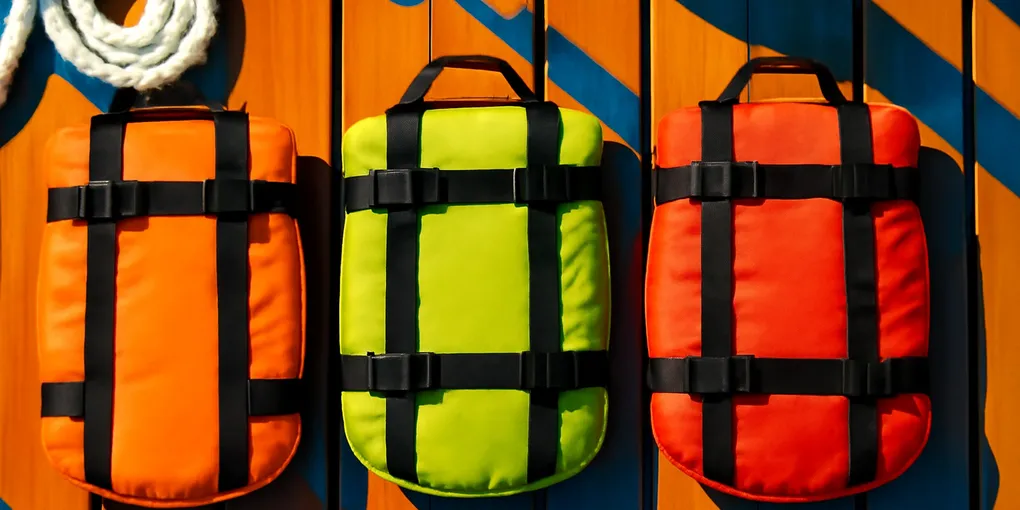
Buyer's GuideHigh-visibility dog life jacket with top handle
Best first jacketBest for: Boating, docks, paddleboards
Quick picks
| Product | Key Specs | Pros / Cons |
|---|---|---|
| See price on Amazon |
|
|
| See price on Amazon |
|
|
| See price on Amazon |
|
|
Product availability, certifications, and retailer details can change; check the current Amazon page before buying.
The best dog life jackets fit snugly around the chest, keep the dog visible, add enough buoyancy for fatigue, and include a sturdy top handle. Strong swimmers still need one around boats, docks, currents, and paddleboards. Fit and supervision matter more than brand hype.
How We Evaluated Dog Life Jackets
| Criterion | Weight | What we looked for |
|---|---|---|
| Fit security | 30% | Adjustable chest and belly straps, low rotation risk, no neck choking. |
| Buoyancy | 25% | Enough flotation for the dog’s body type without forcing an awkward swimming posture. |
| Visibility | 20% | Bright color, reflective trim, easy spotting from a boat or shoreline. |
| Handle quality | 15% | A reinforced top handle for guiding or emergency assistance, not routine dangling. |
| Comfort | 10% | Shoulder clearance, soft edges, and tolerable heat load in summer. |
A life jacket is not a license to push a dog into water. Dogs vary widely by body shape, coat, age, confidence, and airway anatomy. Bulldogs, French Bulldogs, Corgis, Dachshunds, senior dogs, puppies, overweight dogs, and dogs with orthopedic or heart disease need special caution.
Best First Jacket: High-Visibility Vest With a Real Handle
For most households, start with a bright orange, yellow, lime, or red dog life jacket with reflective trim, multiple adjustable straps, and a reinforced top handle. This category works for boats, docks, lake houses, paddleboards, and supervised beach trips.
The handle is for control and emergency assistance, not for carrying the dog around like luggage. In real use, it helps you guide the dog toward a ramp, steady the dog beside a paddleboard, or assist a tired dog at a dock edge.
Shop the category: Search Amazon for high visibility dog life jacket top handle
Best for Active Swimmers: Sport-Cut Flotation Vest
Some dogs love water and swim with smooth, level body posture. For them, a bulky jacket can feel restrictive. A sport-cut vest keeps shoulder movement freer while still adding visibility and flotation.
This is not the first pick for a dog that panics, sinks at the rear, has a short muzzle, or tires quickly. Use it for confident swimmers in controlled conditions, and do a shallow-water test before any boat day.
Shop the category: Search Amazon for sport cut dog flotation vest
Best for Seniors or Nervous Dogs: Extra-Buoyant Jacket
Senior dogs and nervous swimmers benefit from more support. Extra-buoyant designs often add foam along the sides and sometimes a front float under the chin. That can help tired dogs maintain a safer head position, though fit remains critical.
The tradeoff is bulk. Too much foam can restrict shoulder motion, rub under the armpits, or trap heat while the dog waits on deck. In shallow water, watch the dog’s actual posture rather than judging the vest by foam thickness: the muzzle should remain comfortably clear, the rear should not sink sharply, and the jacket should not roll sideways when the dog turns. A chin float that presses the throat on land or flips over the muzzle in water is the wrong shape for that dog.
For a senior dog, check whether the handle and body panel work together before a trip. Support the dog’s weight only enough to simulate guidance toward a ramp; the handle stitching should stay flat and the vest should not cinch into the throat. A large dog may need two people or a ramp rather than a one-handed lift. For a nervous dog, begin where all four paws can touch and keep the first session short enough that panic and fatigue never become the fit test.
Shop the category: Search Amazon for extra buoyant dog life jacket chin float
Fit Checklist Before You Buy
Measure your dog’s chest girth at the widest point just behind the front legs, then measure the neck base and back length. Weight alone is not enough. Deep-chested dogs may need a longer belly panel; barrel-chested dogs may need more girth without extra length; long-backed, short-legged dogs need a rear edge that does not impede their stride. If the dog falls between sizes, buy from a seller with easy returns and test the jacket indoors before removing tags.
After fitting, check four things. The jacket should not slide over the head. It should not rotate sideways when you gently pull the handle. The front edge should not press into the throat. The rear edge should not block normal hip movement or urination.
Use the two-finger rule under straps, but do not leave straps loose enough to catch a paw. Let the dog wear the dry jacket indoors for a few minutes with treats before the first water session.
Repeat the checks after the jacket is wet. Webbing can loosen, fur compresses, and a vest that stayed centered in the living room may rotate when buoyancy pushes upward. In shallow water, guide the dog through a straight swim and a turn in each direction. Stop if the jacket rides over the jaw, the belly panel shifts behind the ribs, a front leg enters a strap opening, or the dog cannot extend the shoulders normally. Adjust on shore, never while the dog is struggling in deep water.
Safety Rules for Summer Water Days
Supervision is non-negotiable. Dogs can fall from boats, miss ramps, chase toys into currents, panic in waves, or become exhausted from repeated retrieves. A jacket buys time and visibility; it does not remove risk.
Keep sessions short in heat. Wet dogs can still overheat on a sunny dock or boat deck, especially brachycephalic breeds. Provide shade, fresh water, rest breaks, and a nonslip exit route. Rinse salt, chlorine, or lake residue from the jacket and dog after use.
What to Avoid
Avoid novelty shark-fin or costume jackets if the handle, straps, and flotation are weak. Avoid dark colors for open water. Avoid jackets that cover so much body surface that the dog pants heavily before entering the water. Avoid any product with a vague size chart or no return path, because fit failures are common.
Boat, Dock, Paddleboard, and Pool Use Are Different
Boating requires visibility and handle strength. A dog overboard may be hard to spot in chop, glare, or low light. Choose the brightest color you can tolerate aesthetically. Reflective trim helps at dawn, dusk, and marina docks. Attach a leash only according to the product instructions; you do not want a leash snagging dangerously in water.
Paddleboarding requires balance and a low-bulk fit. A huge jacket may make a small board unstable or cause the dog to shift awkwardly. Practice mounting and dismounting in shallow water. Teach a calm down-stay on the board before leaving shore.
Pool use requires an exit plan. Many dogs can fall in but cannot find stairs. Teach the dog where the steps or ramp are, repeat from multiple angles, and supervise even in fenced yards. A life jacket is useful, but the exit route is what turns panic into recovery.
At a beach, river, or lake, add current, water temperature, weeds, and boat wake to the decision. Keep the dog close enough to reach, choose a bright jacket that remains visible against glare, and end the session before swimming posture deteriorates. Cold water can shorten a safe session even on a hot day. The vest adds flotation; it does not prevent entanglement, keep the dog within the swim area, or guarantee that a tired dog can climb a steep bank.
Special Cases: Puppies, Seniors, and Brachycephalic Dogs
Puppies need constant supervision because they tire quickly and outgrow gear quickly. A puppy jacket should fit today, not “soon.” Keep sessions short and positive. The goal is comfort around water, not endurance.
Senior dogs may have arthritis, reduced stamina, weaker vision, or slower recovery after exertion. Choose more buoyancy, softer edges, and an easy handle. Stop before the dog is exhausted. Swimming can be great low-impact movement for some seniors, but slippery entries and cold water can be hard on joints.
Brachycephalic dogs need extra caution. Short-muzzled breeds can struggle with heat and airway effort even when water is cool. Use shallow, closely supervised sessions, prioritize shade, and stop at the first sign of noisy breathing, panic, or heavy fatigue.
Maintenance and Replacement
Rinse the jacket after salt water, chlorine, mud, or algae exposure. Dry it fully before storage so straps and foam do not mildew. Check buckles, stitching, handle attachment, and foam compression before every trip. Replace a jacket with torn straps, cracked buckles, flattened flotation, or a handle that flexes away from the body panel.
Do a yearly fit test. Dogs gain muscle, lose weight, grow coat, age, and change shape. A jacket that fit last summer may be loose this year. For growing dogs, check fit monthly during water season.
Related Water Safety Gear
For older dogs or weaker swimmers, compare this seasonal guide with our senior dog life jacket recommendations before choosing a bulkier support vest.
Bottom Line
Buy the brightest jacket that fits your dog’s chest securely, supports the swimming situation, and lets the dog move naturally. Test it before the trip, supervise closely, and treat the life jacket as backup protection rather than permission to take bigger risks.
Sources
- AVMA pet summer safety guidance and water-safety recommendations.
- American Red Cross pet first aid and water safety guidance.
- VCA Hospitals pet water safety guidance for dogs around pools, boats, and natural water.
- Merck Veterinary Manual overview of heat stress and exertional risk in dogs.
- American Kennel Club Canine Health Foundation resources on brachycephalic dog safety considerations.
Frequently Asked Questions
- Some dogs can swim well in calm water, but swimming ability is not the only risk. Boats, docks, currents, cold water, fatigue, and panic make a jacket the safer default.
- Start indoors with treats, then shallow water, then a short session with an easy exit. Never throw or force the dog into deep water.
- Yes around water, but fit changes quickly. Choose a puppy-safe size, supervise constantly, and replace the jacket as the puppy grows.
- A reinforced handle is strongly preferred. It helps guide a dog toward an exit and gives you a control point in an emergency, though it should not be used for routine carrying.