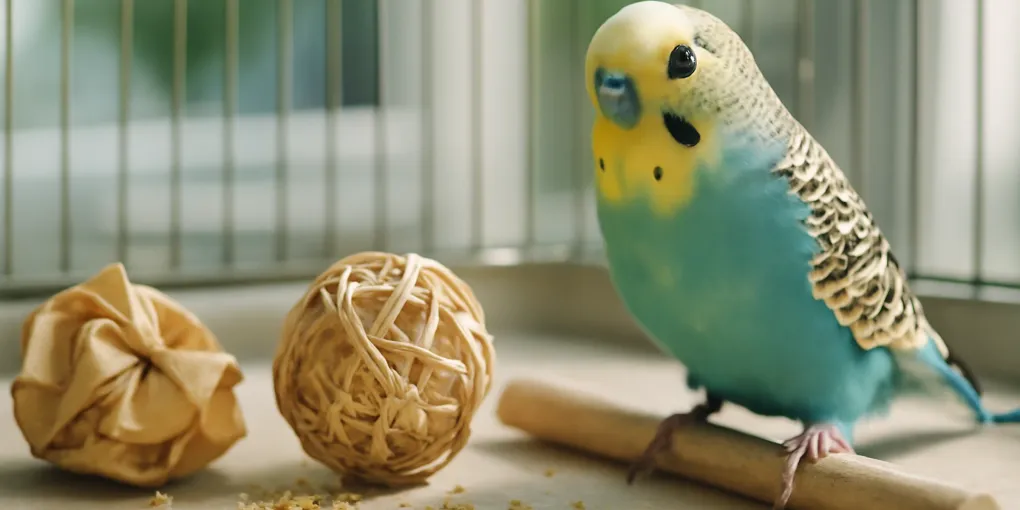
Best Parakeet Foraging Toys: Safer Enrichment for Budgies That Need Work to Do
Buyer's GuidePlanet Pleasures pineapple or palm-leaf bird toy
Best shredding starterBest for: Budgies that like shredding natural fibers
Varies
Quick picks
| Product | Key Specs |
|---|---|
| See price on Amazon |
|
| See price on Amazon |
|
| See price on Amazon |
|
| See price on Amazon |
|
Product availability, certifications, and retailer details can change; check the current Amazon page before buying.
Budgies are small parrots, not cage decorations. A good foraging toy turns part of the daily food routine into work: pull paper, inspect a fold, climb to a small treat, or shred a safe natural fiber. The best parakeet foraging toys are easy enough for a budgie to win, small enough for the cage, and simple enough for an owner to inspect.
This guide focuses on toy categories and named search targets so you can match the item to your actual cage and bird. Use the links as shopping starting points, then confirm size, materials, return terms, and recent owner photos before buying. The same species-specific fit logic applies across pet tools; a rabbit brush guide can name very different hazards because fur, skin, and handling needs are not the same as budgie beaks and toes (rabbit grooming brush setup).
Quick picks
- Best first shredding toy: Search Amazon for Planet Pleasures small bird foraging toys.
- Best cage-wall activity: Search Amazon for small seagrass foraging walls.
- Best paper-pulling option: Search Amazon for small paper bird toys.
- Best reusable challenge: Search Amazon for JW Pet Activitoy parakeet puzzles.
If your bird has never foraged, start with the easiest toy and make success obvious. A hard puzzle that hides all the food can create frustration, not enrichment. Watch the first session from the same room, and end while the bird is still calm rather than waiting for boredom, panic, or chewing damage.
Why foraging matters for budgies
Wild parrots spend much of the day moving, searching, manipulating, and making choices. Captive birds can lose that work if every calorie arrives in an open dish. VCA’s bird-toy guidance recommends rotating safe toys and supervising new items, while warning that toys must be sized and inspected for the individual bird (VCA: toys for birds). VCA’s broader enrichment guidance also explains why food-search activity can be part of daily behavior management rather than a novelty (VCA: enrichment and activity toys).
Foraging toys do not cure every behavior problem, but they can make a cage feel less empty. They work best when they are part of a complete setup: appropriate cage size, varied perches, clean food and water, safe flight or exercise time, and daily human interaction.
How to choose a parakeet foraging toy
Size for budgie feet and beaks
Avoid oversized toys designed for macaws or cockatoos. Large chains, thick blocks, heavy bells, and big hardware can overwhelm a budgie cage. Choose small-bird products that let the bird stand naturally and manipulate the toy without hanging awkwardly.
Favor destroyable materials you can inspect
Paper, palm leaf, seagrass, balsa, and thin cardboard can be useful because they let the bird shred and search. The safety question is whether the material is clean, untreated, and replaced before it becomes a stringy mess. Remove loose fibers, long threads, and broken hardware.
Keep treats tiny
Foraging should not turn millet into the whole diet. Hide a few seeds, a tiny spray of millet, chopped greens, or part of the normal ration. If the toy adds calories, subtract them from the regular dish. VCA’s budgie feeding guidance stresses a balanced diet rather than seed-only feeding (VCA: budgies feeding).
Make the first version easy
A beginner bird should see or smell the reward. Tuck millet so it is partly visible. Fold paper loosely. Put a treat near the surface of a seagrass mat. Once the bird learns that working the toy pays off, you can make the hiding places smaller.
Product category notes
Palm-leaf and pineapple-style shredders
Small palm-leaf toys are good first choices for birds that already chew paper or soft plant materials. Look for small-bird sizing, simple hanging hardware, and no long rope fringe. Mount the toy near a comfortable perch so the bird can work it without clinging to the cage bars for long periods.
Seagrass mats and foraging walls
A small seagrass wall can turn a cage side into a food-search zone. Hide greens, a few pellets, or millet crumbs in the weave. The risk is toe catching if loops loosen. Inspect after every heavy shredding session and remove the mat when it frays into long strands.
Paper shredding toys
Paper toys are cheap, engaging, and easy to rotate. They are also easy to overdo. If your bird eats paper rather than shredding and dropping it, use shorter sessions and discuss the behavior with an avian veterinarian. Avoid scented, glossy, unknown, or adhesive-heavy paper.
Small reusable puzzles
Reusable treat wheels and simple moving puzzles suit birds that have already learned to forage. Wash them regularly and make sure moving parts do not pinch toes or trap beaks. Do not leave a bird alone with a new puzzle until you have watched how it uses the device.
Which toy fits which budgie?
A very young, recently rehomed, or nervous budgie usually does best with a visible reward tucked into plain paper or a loose palm-leaf fold. The goal is confidence, not puzzle difficulty. Put the toy beside a perch the bird already uses, step back, and let the bird approach without hands in the cage. If the bird freezes, pants, clings to the far wall, or stops eating, remove the toy and try a smaller piece of paper outside the cage bars first.
A bold shredder can handle a denser palm-leaf toy or a small seagrass mat, but the inspection burden rises. These birds can destroy a cheap toy quickly, which is useful only if you remove loose fibers before they become toe loops. For birds that dismantle everything, buy fewer toys at a time and rotate clean pieces more often instead of filling the cage with fraying material.
A food-motivated budgie that already eats pellets or chopped greens may benefit from a small reusable puzzle. Keep the first puzzle nearly open so the bird learns the action. If the bird ignores it, put part of the normal ration nearby rather than adding more millet. If the bird gets possessive, use two simple foraging stations at opposite sides of the cage so one toy does not become a conflict point.
Cleaning and replacement schedule
Destroyable toys should be treated like temporary food-contact surfaces. Paper and palm-leaf toys that hold greens or damp food should come out the same day. Dry shredding toys can stay longer if they remain clean, but they should leave the cage as soon as they develop long strands, sharp stems, feces contamination, or hidden food crumbs.
Reusable plastic puzzles need a different routine: empty leftover food daily, wash according to the product directions, dry fully before refilling, and inspect seams. If a wheel or door starts sticking, the toy may frustrate the bird or trap a toenail. A simple open paper fold is safer than a complicated puzzle that no longer moves cleanly.
Budget for replacement, not permanence. A small paper toy that is destroyed in two days may be doing its job if it stayed clean and safe. A reusable puzzle is only better value if your bird actually works it and you can clean it thoroughly. If you are buying for a pair, favor duplicate easy stations over one elaborate toy, because equal access matters more than novelty.
Cage placement protocol
Put one foraging toy near a favorite perch and one lower or farther away only after the bird is confident. Keep food and water dishes accessible. Do not block flight paths, sleeping spots, or the front door. A toy that makes the cage crowded is not good enrichment.
Rotate toys every few days instead of filling the cage with everything at once. Clean reusable toys, discard shredded materials, and check metal clips for rust or sharp edges.
When to stop using a toy
Remove a toy if you see long fibers, exposed wire, loose bells, sharp plastic, rust, feces contamination, food mold, toe catching, or fear that does not improve with distance. Also remove it if one bird guards the toy from a cage mate. In multi-bird cages, duplicate easy foraging spots can reduce conflict.
Parakeet foraging toy FAQ
Are mirrors good for foraging?
Mirrors are not foraging toys. Some budgies become intensely attached or frustrated by mirror images. Use food-search toys, paper, safe shredding, and social interaction instead.
Can I make DIY foraging toys?
Yes, if materials are plain, clean, bird-safe, and easy to supervise. Plain paper cups, folded paper, and untreated cardboard can work. Avoid staples, tape, glue blobs, scented paper, and long strings.
How do I know if my budgie likes it?
Good signs include calm investigation, short shredding sessions, successful treat retrieval, normal eating, and returning later by choice. Fear, frantic chewing, guarding, or repeated trapped toes means the setup needs changing.
Bottom line
The best parakeet foraging toy is not the most complicated one. It is the one your budgie can use safely today: small, inspectable, easy at first, and rotated before it becomes dirty or hazardous. Start simple, reward success, and build a cage routine that gives your bird work to do without making the cage harder to live in.
Frequently Asked Questions
- Start with an easy paper, palm-leaf, or seagrass toy that hides a tiny piece of millet in plain sight. The bird should succeed quickly before you make the puzzle harder.
- No. They add work and choice inside the cage, but budgies still need social contact, flight-safe time when appropriate, and a cage layout with good perches and food access.
- Use one or two active foraging areas at a time so the cage stays easy to navigate. Rotate toys after cleaning rather than crowding every wall.