Dog Firework Noise Safe Room Protocol: Setup, Sound, and Exit Safety
ProtocolQuick picks
| Product | Key Specs |
|---|---|
| See price on Amazon |
|
| See price on Amazon |
|
Product availability, certifications, and retailer details can change; check the current Amazon page before buying.
A firework safe room is a prepared indoor space that lowers the chance of escape and gives a dog a familiar place to settle. It does not guarantee calm. The useful goals are concrete: prevent a door dash, reduce visual flashes, provide water and a known resting place, and make sure a person can respond if the dog becomes more frightened.
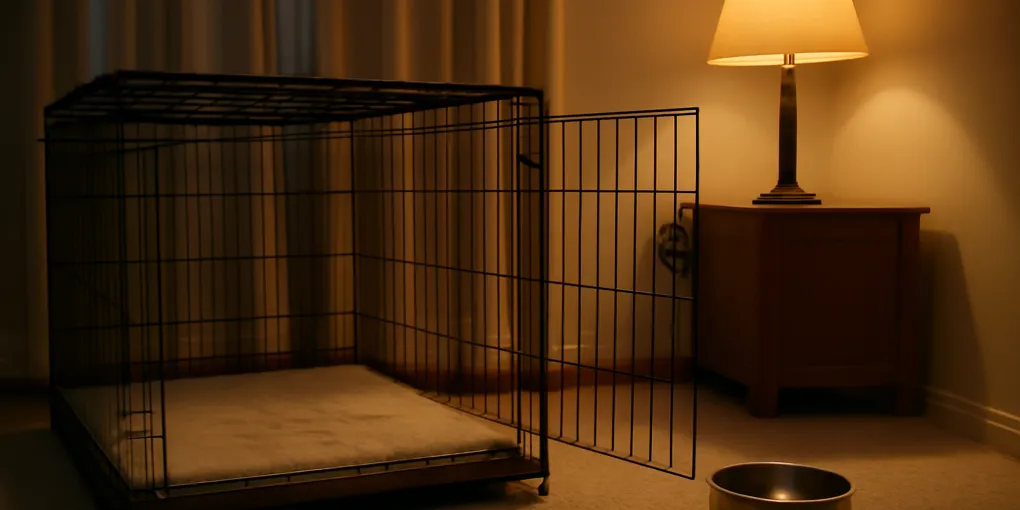
Choose one interior room before fireworks season—not when the first boom starts. Close curtains, secure windows, remove hazardous chewable items, and use a closed door or a second barrier at the exit. Add the dog’s ordinary bed or an open crate with a washable familiar mat; See price on Amazon. Do not introduce a new crate as a panic solution on the event night.
Make the room hard to escape from
Walk the route from the dog’s normal area to the safe room. Check exterior doors, window latches, screens, dog doors, balcony access, and gates. Ask every person in the house which door they will use. Attach current ID to the collar only if the dog normally tolerates it safely indoors, and confirm the microchip registration contact details are current.
A frightened dog can slip through a partly opened door or push past a visitor. Put a leash and harness near the room for necessary toilet trips, but do not drag a dog outside during active fireworks unless there is no alternative. Take the last calm walk early, then keep bathroom breaks short and on lead.
The American Veterinary Medical Association advises keeping pets indoors and identifying them during fireworks. Its fireworks pet safety guidance is a useful checklist for the escape-risk part of the plan.
Buffer light and sound without trapping the dog
Close curtains before dusk to reduce flashes. Use a fan, radio, or white-noise machine at a comfortable steady volume if the dog has heard it before; See price on Amazon. The aim is to make sudden outdoor sounds less stark, not to play loud audio over a distressed animal.
Leave water available in a stable bowl. Offer a familiar food toy only if the dog normally uses it safely and is still interested in food; refusing food can be a sign the dog is too stressed for enrichment to help. Avoid candles, essential-oil diffusers, loose cords, and anything with small parts in a room where a frightened dog may chew or pace.
Keep the room at its usual comfortable temperature. Closing curtains is useful, but covering vents or sealing a small room can make a panting dog hotter. Check that the water bowl remains reachable if the dog chooses the crate, bed, or a corner farther from the door.
Keep the crate voluntary
Some dogs settle in an open crate covered on three sides, while others feel trapped by it. Let the dog choose. A dog that enters willingly and rests on a familiar mat may benefit from the predictable den-like space. A dog that pants, scrabbles, bites the door, or throws itself at the crate needs access to the safer room instead.
Never use a crate as a way to stop flight behavior in a dog that has not been acclimated to it. Injured teeth, broken nails, and overheating can turn noise fear into an emergency. If the dog has a history of destructive panic, discuss a plan with the veterinarian before the next event.
Know what needs veterinary help
Mild worry can look like checking in with a person or choosing a closer resting place. Severe fear may include persistent trembling, salivation, pacing, hiding, elimination, attempts to escape, self-injury, or failure to recover after noise stops. The American Veterinary Medical Association treats firework preparation as a safety concern and recommends planning before the event; see its fireworks safety advice.
Do not give human sedatives, alcohol, cannabis products, or leftover veterinary medication. A veterinarian can assess whether behavior work, environmental support, or event-specific medication is appropriate for your dog. Call early; a same-night request may leave no time for a safe trial.
Rehearse the room on quiet days
Run the route and room setup once or twice when there are no fireworks. Put the mat down, close the curtains, offer water, and leave the crate open while the dog chooses whether to rest there. This rehearsal identifies problems that noise can magnify: a door latch that does not catch, a curtain cord within reach, a mat that slides on hard flooring, or a water bowl that tips when the dog circles.
Keep the room ordinary rather than turning it into a cue that something frightening is about to happen. A short calm session with the same familiar bedding is enough. If the dog cannot relax in the room on a quiet afternoon, make a veterinary behavior plan before relying on it during a loud event.
Dog firework safe room FAQ
Should I stay with my dog during fireworks?
If your presence helps the dog settle and you can remain calm, stay nearby. Do not force contact; some dogs choose a corner or bed and need quiet company rather than handling.
Is a basement always the best safe room?
No. Choose the room that is secure, familiar, ventilated, and free of hazards. A basement that is hot, damp, full of tools, or unfamiliar may be worse than a quiet interior bedroom.
What should I do if my dog escapes?
Contact local animal control and shelters immediately, notify the microchip company, and use recent photos. Do not chase a panicked dog into traffic; get help and use calm, familiar cues if the dog is visible.
Sources
- American Veterinary Medical Association, fireworks safety: https://www.avma.org/resources-tools/pet-owners/petcare/fireworks-safety-tips-pet-owners
Frequently Asked Questions
- Use a crate only if it is already a familiar voluntary refuge. A dog that claws, bites bars, or panics when confined needs a safer room setup and veterinary advice instead of forced crating.
- No. It can soften the contrast of distant noise, but it will not eliminate booms or replace a secure room, supervision, and a veterinary plan for severe fear.
- Call before the event if your dog has escaped, injured itself, stopped taking food, trembled for hours, or remained distressed after prior fireworks. Medication and behavior planning work best when arranged in advance.