A Positive Aquarium Nitrite Test: What To Check Before Adding Treatments
Evidence ExplainerQuick picks
| Product | Key Specs |
|---|---|
| See price on Amazon |
|
| See price on Amazon |
|
Product availability, certifications, and retailer details can change; check the current Amazon page before buying.
A positive nitrite test is a water-quality warning, not a diagnosis of a fish disease and not a reason to pour in several treatments at once. Confirm the test carefully, check ammonia and nitrate, inspect filtration and stocking changes, and act quickly if fish show distress.
Quick picks for a useful result
- See price on Amazon for the API Freshwater Master Test Kit: the stronger choice when a nitrite result needs ammonia and nitrate context.
- See price on Amazon for Seachem Ammonia Alert freshwater: a supplementary ammonia cue, not a nitrite test and not a substitute for a manual panel.
Confirm before you interpret
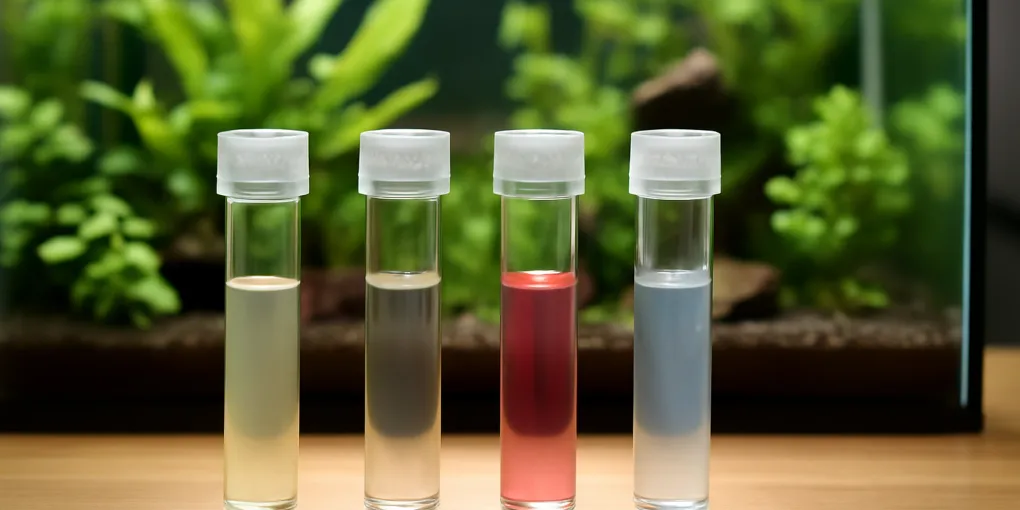
Use a clean vial, the specified water volume, exact reagent count, mixing method, and wait time. Compare against the chart under neutral light rather than aquarium LEDs. Check the expiry date and repeat an unexpected reading once with a clean vial. If practical, compare with another kit or a qualified aquarium professional.
Then record ammonia, nitrite, nitrate, temperature, recent feeding, new livestock, deaths, filter cleaning, medication, and water changes. Nitrite without this context cannot reliably identify whether the issue is a new-tank cycle, a disrupted biofilter, excess waste, or a test error.
Use one controlled testing routine
Keep the vials, caps, and reagents clean and dedicated to testing. Rinse only as the manufacturer directs, and do not touch a reagent dropper to tank water. Photographing the completed test beside the chart in neutral light can help a household compare the same method over several days, but the printed kit instructions control the timing and interpretation.
If the result changes after a water change, record the source-water test separately. If it changes after filter maintenance, record exactly what media was rinsed, removed, or replaced. That distinction is often more informative than a long list of additives, because a biological filter problem and a source-water problem need different investigation.
Make an emergency history before you change the tank
For an urgent call, prepare the tank volume, species and number of fish, time the problem began, current temperature, test results, recent additions, foods, treatments, and any deaths. Merck notes that aquarium cases benefit from a thorough history and water-quality information. A clean water sample or clear photo may be useful if a professional asks for it; do not transport fish or collect a sample unless you receive specific instructions.
Avoid random salt, antibiotics, “cycle boosters,” or pH adjustments merely because nitrite is present. Some products may be appropriate in a specific plan, but adding multiple products can complicate water chemistry and make it difficult to identify what is helping or harming. Keep testing and follow the qualified guidance you receive.
After the immediate event
When the tank is stable, review feeding amount, maintenance habits, stocking, quarantine, and filter-media handling. Feed only what fish finish promptly and remove uneaten food. Clean mechanical debris without replacing all biological media at once. Quarantine and gradual stocking protect the biofilter from abrupt load changes.
Keep a short log for at least several follow-up tests: date, time, ammonia, nitrite, nitrate, temperature, action taken, and fish behavior. A resolved nitrite result is encouraging, but the record helps prevent a repeat after the next cleaning or new-fish introduction.
Do not declare the issue solved from clearer water alone. A tank can look clear while a nitrogen-cycle problem remains, which is why the repeated panel and fish behavior both belong in the follow-up record.
If fish loss or severe distress continues, preserve the testing log, photos, and water measurements and seek aquatic-veterinary guidance rather than restarting the tank or adding another treatment without a diagnosis.
Put fish welfare ahead of product shopping
Fish that are gasping, lying over, rapidly breathing, or showing widespread distress need urgent qualified help. Stop adding animals and do not move fish into an uncycled bowl as a reflex. An aquatic veterinarian or knowledgeable local professional can tailor water-change and emergency steps to the species, volume, temperature, ammonia reading, and severity.
Merck’s aquarium-fish guidance emphasizes a thorough history and water-quality assessment, and discourages prophylactic medication without diagnostic testing. That is the key tradeoff: a quick bottle may feel active, but it can obscure the cause or add another stressor.
Look for a broken biological-filter chain
Check for overfeeding, a dead animal, a stalled filter, reduced flow, a clogged intake, untreated tap water, a complete media replacement, medication effects, or a stocking change. Do not replace every piece of biological media at once. Continue testing the same panel so you can see whether the system is changing rather than relying on a remembered color.
For a new-tank setup, our freshwater ammonia test-kit guide explains how ammonia, nitrite, and nitrate work together. For quarantine decisions, use our aquarium quarantine-tank setup protocol.
Aquarium nitrite FAQ
Can I use strips instead of a liquid test?
Strips can be useful screening tools when used exactly as directed, but a carefully run liquid test or second method is valuable when the result will change urgent care decisions.
How quickly should nitrite return to zero?
There is no safe universal timetable. It depends on the cause, the tank’s biological filtration, water source, temperature, fish load, and corrective steps. Follow a qualified plan and log repeat measurements.
Sources
- Merck Veterinary Manual, Management of aquarium fish: https://www.merckvetmanual.com/exotic-and-laboratory-animals/aquarium-fish/management-of-aquarium-fish
- API, Freshwater Master Test Kit instructions: https://apifishcare.com/product/freshwater-master-test-kit
Frequently Asked Questions
- No. They are different nitrogen compounds and need separate measurements. A test kit that reads ammonia, nitrite, and nitrate is more useful for diagnosing a disrupted cycle than one result alone.
- Do not add a medication or chemical treatment just because of one reading. Confirm the result, assess fish distress, and seek aquatic-veterinary or qualified local guidance for an urgent situation.