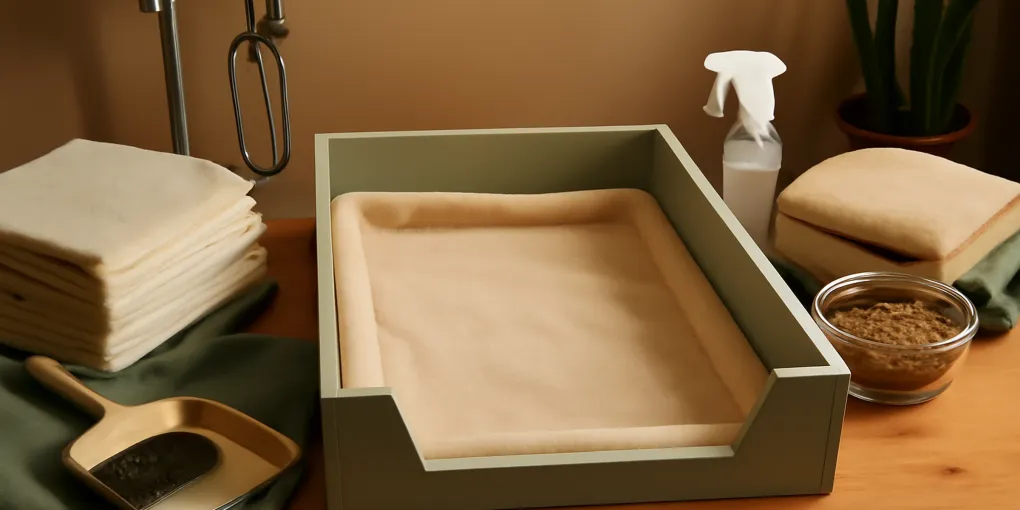
Guinea Pig Fleece Bedding Setup: A Cleaner Protocol for Dry Feet and Less Odor
ProtocolQuick picks
Washable guinea pig fleece cage liners
★ Top pick Best reusable base- Reusable
- Soft walking surface
- Can be sized to C&C cages
- Needs absorbent layer
- Laundry required
Reusable absorbent pee pads
Best high-traffic layer- Easy to swap under hides
- Reduces full-cage laundry
- Useful near hay
- Corners can bunch
- Needs enough spares
Handheld cage broom and dustpan
Best daily cleanup tool- Fast poop sweeps
- Keeps hay from entering washer
- Cheap
- Still manual
- Needs dedicated pet use
Fleece bedding works for guinea pigs only when it is a system. A soft blanket tossed into a cage will smell quickly and can leave pigs standing on damp fabric. A proper setup uses a wicking fleece surface, an absorbent layer underneath, small pads in pee zones, and daily sweeping so hay and droppings do not take over the cage.
The reason fleece is popular is also the reason it fails: it makes mess visible. That visibility is useful if you respond to it. If the household cannot spot-clean once or twice per day, paper bedding or a hybrid hay-kitchen setup may be safer and easier.
Quick picks for a dry fleece cage
- Search Amazon for washable guinea pig fleece liners: buy two full-size liners before switching the whole cage so one can dry while the other is in use. Prioritize flat edges, absorbent backing, and a size that fits your C&C or Midwest-style cage without curling.
- Search Amazon for reusable guinea pig pee pads: place these under hides, beside hay, and near the water bottle. They are the part you swap daily when one corner gets wet before the full liner needs washing.
- Search Amazon for small animal cage broom sets: use this to remove hay and droppings before laundry. Loose hay in a washer is a plumbing problem, not just a neatness issue.
Why dry feet matter
Guinea pigs spend nearly all day on their bedding. Damp, dirty flooring can irritate skin and contribute to foot problems, especially in heavy pigs, older pigs, or pigs with limited movement. Merck Veterinary Manual’s guinea pig health guidance emphasizes clean water, soft bedding, frequent cage cleaning, low-stress housing, and exercise as prevention basics (Merck Veterinary Manual: disorders and diseases of guinea pigs).
Fleece can help because it is soft and low-dust compared with some loose bedding. It can also hurt if urine sits on the surface. The test is simple: press a dry paper towel onto the fleece in a high-use area. If the towel comes up wet, the system is not wicking or the absorbent layer is full.
The three-layer setup
Use three layers instead of one.
First, the top layer should be anti-pill fleece or a purpose-made fleece cage liner that has been washed enough to wick. New fleece often repels liquid. Wash and dry it several times without fabric softener before judging it.
Second, use an absorbent middle layer. Many commercial liners sew fleece to an absorbent core. DIY systems often use washable U-Haul-style pads or reusable incontinence pads under fleece. The core is what holds urine away from the feet.
Third, add small removable pads in the places pigs actually pee: under hides, beside hay, and near favorite corners. These pads are the difference between manageable fleece and a daily full-cage teardown.
What to buy
For a first reusable setup, start with two full-size washable liners so one can be in the cage while one is in the wash. Search Amazon for washable guinea pig fleece cage liners. Choose a size that lies flat and reaches cage edges without curling.
Then add a pack of reusable absorbent pee pads. Search Amazon for reusable guinea pig pee pads. Put them under hides and around the hay area. If a pad is always wet by evening, use two pads there or move the hay kitchen.
Finally, buy a dedicated cage broom and dustpan. Search Amazon for small animal cage broom sets. Keeping hay out of the washing machine is not optional; it protects plumbing and makes laundry less unpleasant.
Daily protocol
Morning: remove wet hay, sweep droppings, shake or replace the dirtiest pee pad, and check the water area for leaks. Look at the pigs’ feet while they move. Redness, swelling, scabs, or reluctance to walk should change the plan.
Evening: sweep again, replace hay, and check the paper-towel dryness test in the worst corner. If the surface is damp, swap that pad immediately. Do not wait for laundry day.
Weekly or twice weekly: wash the full liner. Use unscented detergent and skip fabric softener, scent beads, dryer sheets, and strong fragrance. Those products can reduce wicking and add respiratory irritation. The Humane Society notes that guinea pig cages need weekly deep cleaning, more frequent spot cleaning, room to move, and timothy hay as a daily staple (Humane Society: are guinea pigs right for you?).
Hay zones are different
Most fleece odor complaints start near hay. Guinea pigs eat, nap, and urinate where hay is abundant. Instead of spreading hay across the full liner, build a hay kitchen: a coroplast tray, shallow litter tray, or washable pad area under the rack. Some owners use disposable paper bedding only in that tray and fleece elsewhere.
This hybrid is often the easiest long-term answer. It lets pigs forage naturally without embedding hay in every fiber of the cage liner.
Mistakes that make fleece smell
The first mistake is using fleece that does not wick. If water beads on top after washing, keep prepping it or choose a purpose-made liner. The second mistake is too small a cage. Crowding concentrates urine and defeats even good bedding. The third mistake is skipping pads under hides. Guinea pigs often pee where they feel safe, not where the owner wishes they would.
The fourth mistake is washing with fabric softener. It coats fibers and can make fleece repel liquid again. The fifth is leaving hay and droppings in the washer. Shake, brush, or bag-launder liners before they go into the machine.
When to switch away from fleece
Switch systems if pigs chew the liner, if one pig has recurring sore feet despite dry bedding, if laundry cannot keep up, or if household allergies worsen from handling dusty hay and cage laundry. Paper bedding, aspen, or hybrid bedding may fit some homes better.
Reader test: is fleece worth buying?
Buy fleece if you can spot-clean daily, have laundry capacity, and want a soft reusable surface. Do not buy it because it sounds maintenance-free. The best fleece cage is not the prettiest liner; it is the one that stays dry under the pigs’ feet by bedtime.
FAQ
How many fleece liners do I need?
Two full liners is the minimum for one cage. Three is easier if drying takes a long time or you have multiple guinea pigs.
Can I put towels under fleece?
Towels can absorb, but they may hold odor and dry slowly. Purpose-made absorbent pads are often easier to launder and less bulky.
Why does my fleece still smell after one day?
Check cage size, hay area, water bottle leaks, wicking, and pad placement. A wet corner means the absorbent layer is overloaded or missing, not that the pig is doing anything wrong.