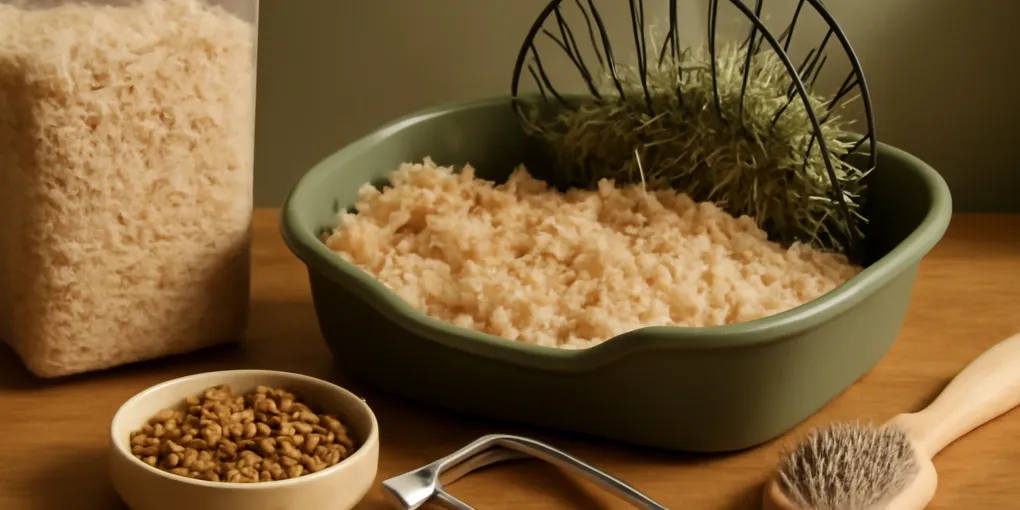
Best Low-Dust Bedding for Small Pets: Hamsters, Guinea Pigs, and Rabbits
Buyer's GuideUnscented paper small-pet bedding
Best all-around starterBest for: Hamsters needing burrow depth and owners avoiding dusty aromatic shavings
$15-$35
Quick picks
| Product | Key Specs |
|---|---|
| See price on Amazon |
|
| See price on Amazon |
|
| See price on Amazon |
|
Product availability, certifications, and retailer details can change; check the current Amazon page before buying.
Quick answer
The best low-dust bedding depends on the animal. Hamsters need deep, stable material for burrowing. Guinea pigs need a dry surface that protects feet and controls urine odor. Rabbits often need litter-box substrate more than deep bedding across the whole living area. Treating all small pets the same is how owners end up with dusty cages, damp fleece, or shallow bedding that collapses.
Start with unscented, visibly low-dust materials and adjust based on species, ventilation, cleaning workload, and your pet’s respiratory comfort.
Quick picks
- Search Amazon for unscented paper small-pet bedding if you need a broad starter for hamsters or mixed burrowing areas.
- Search Amazon for kiln-dried aspen bedding if you prefer wood shavings and can check dust closely.
- Search Amazon for washable fleece guinea pig liners if you can commit to sweeping and laundering on schedule.
How we evaluated bedding options
| Factor | Weight | What mattered | Species-specific application |
|---|---|---|---|
| Dust control | 30% | Low visible dust and no strong scent | Respiratory irritation is a practical owner concern in enclosed habitats. |
| Evidence quality | 25% | Fit with welfare and husbandry guidance | Bedding should support normal behavior, not just odor masking. |
| Value | 20% | Cost per clean, expansion, and waste | Cheap bedding is poor value if it needs constant full changes. |
| User signals | 15% | Reports of dust clouds, odor, mold, and poor absorbency | Batch variation matters, so returns and small test bags help. |
| Transparency | 10% | Clear material labeling | Avoid vague scented blends or unknown wood types. |
Paper bedding: safest first test for many homes
Unscented paper bedding is a sensible starter because it is soft, absorbent, and usually better for burrowing than thin loose shavings. For hamsters, depth matters. A shallow sprinkle on the cage floor does not support tunnels, even if the package says it is cozy.
Check dust before dumping a full bag into the enclosure. Take a handful outside or over a trash bag and fluff it. If a visible cloud rises, choose another batch or brand. Avoid scented paper bedding. Fragrance can hide ammonia from the owner while still leaving the animal exposed to odor and moisture. For deep hamster setups, buy enough volume for a compressed usable depth, not just the advertised expanded liters; underbuying is why many otherwise good paper beddings fail as tunnel material.
Inspect the bottom of each paper-bedding bag as well as the first handful. Fine particles settle during shipping, so a clean-looking top layer can hide a dusty final third. Keep the opened bag dry and closed between refills; damp paper that smells musty belongs in the trash, not a burrow.
Aspen: useful, but not automatically dust-free
Kiln-dried aspen is the wood option most small-pet owners consider when avoiding aromatic cedar or pine. It can be useful in litter areas or mixed with paper to improve structure. It is not automatically low-dust. Some bags are fine and others are powdery.
Avoid sharp splinters and strong wood odor. If the animal sneezes, squints, or develops discharge after a bedding change, remove the bedding and call a veterinarian if signs continue.
Fleece: good only with maintenance
Fleece liners can work well for guinea pigs because they create a smooth surface and reduce loose bedding scatter. They can also fail quickly if the absorbent layer underneath is weak or the owner cannot keep up with laundry. A damp liner against feet can contribute to odor and skin irritation.
Use fleece only if you can sweep droppings daily, replace wet pads, and wash liners without scented softeners. Fleece is usually not the right primary substrate for hamsters because it does not support natural burrowing and can create chewing risk.
Species-by-species buying notes
For hamsters, the bedding decision starts with depth and tunnel stability. A dwarf hamster in a shallow bin and a Syrian hamster in a large enclosure both need enough loose material to dig, but the larger animal often collapses weak bedding faster. Paper bedding that fluffs high but compresses into a thin mat may look generous on day one and fail by the weekend. If tunnels collapse, mix paper with a modest amount of low-dust aspen or choose a paper bedding with longer fibers. Avoid cotton fluff and stringy nesting material that can wrap around limbs or get pouched.
For guinea pigs, loose bedding and fleece both have to solve the same problem: lots of urine and constant foot contact. Paper bedding can work in kitchen areas or hide corners, but it gets expensive if the whole cage needs frequent full changes. Fleece can be economical only when absorbent layers underneath pull moisture down and the owner removes wet pads before odor builds. A fleece cage that smells like ammonia is not a low-dust success; it is a cleaning-frequency problem.
For rabbits, many households need litter-box substrate more than full-floor bedding. Paper pellet litter or other rabbit-safe absorbent material can sit under hay in the litter box, while the living area uses traction mats, washable rugs, or flooring the rabbit will not chew dangerously. Dusty clay litter, clumping litter, and strongly scented products are poor fits because rabbits keep their noses close to the box and may nibble substrate.
How to test a new bag before committing
Open the bag away from the habitat and inspect it before pouring. Good bedding should not release a large dust cloud when fluffed, should not smell like perfume or sharp wood oil, and should not contain hard splinters or plastic pieces. Put a small test amount in one area first if your pet has a history of sneezing, watery eyes, or skin irritation.
Track three things during the first week: odor at the normal cleaning interval, dampness at the bottom layer, and whether the animal uses the habitat normally. A hamster should still dig and nest. A guinea pig should not sit on wet fleece. A rabbit should keep using the litter box. If the new substrate changes behavior or forces more cleaning than expected, the cheaper bag may not be the better buy.
Cleaning workload by substrate
Paper bedding is easiest when you spot-clean wet corners and preserve clean nesting material. Full cleanouts remove familiar scent and can stress hamsters, so replace only what is dirty when the rest of the enclosure is dry and clean. Aspen can be spot-cleaned similarly, but powder at the bottom of the bag should be discarded rather than dumped into the cage.
Fleece demands a different routine: sweep loose hay and droppings daily, swap wet pads often, and wash with unscented detergent. Do not use fabric softener because it can reduce wicking. For multi-pet guinea pig cages, plan for more liner sets than the minimum so one can be in use while another is drying fully.
Rabbit setup is different
Many indoor rabbits do best with a litter box filled with rabbit-safe paper litter or another appropriate absorbent substrate, plus flooring that provides traction. Covering the whole area in loose bedding can make litter training harder. Pair hay access with the litter area because rabbits often eat and eliminate in the same zone.
Avoid clumping cat litter and dusty clay products around rabbits. If a rabbit is eating bedding, breathing poorly, or sitting in wet litter, change the setup and talk with an exotics-aware veterinarian.
Odor control without risky fragrance
Good odor control comes from absorbency, ventilation, spot cleaning, and enough space. Scented bedding is not a solution. Ammonia smell means urine is building up. Spot clean wet corners, replace saturated pads, and make sure the habitat is not too small for the animal’s output.
For hamsters, do not destroy the entire nest every time you smell one toilet corner. Remove the wet area and preserve clean familiar bedding when possible. For guinea pigs, expect more frequent surface cleaning because they produce more urine and droppings in open areas.
FAQ
Is paper bedding better than wood shavings?
Unscented paper is often the safest first test for burrowing hamsters and respiratory-sensitive homes. Kiln-dried aspen can work if it is low dust and species-appropriate. Avoid aromatic cedar and strong-scented bedding.
Can guinea pigs use fleece instead of loose bedding?
Yes, if it is a real liner system with absorbent layers and frequent washing. Fleece that stays wet is not better than loose bedding.
What bedding should I avoid for respiratory-sensitive pets?
Avoid dusty bedding, scented bedding, cedar, strong aromatic shavings, and any substrate associated with sneezing, eye discharge, damp ammonia odor, or skin irritation.
Related reading
- For hay and hydration setup, see our guinea pig hay rack setup.
- For rabbit cleaning routines, pair bedding choices with our rabbit litter training protocol.
Sources
- RSPCA hamster guidance covers bedding depth, nesting material, and suitable housing needs: https://www.rspca.org.uk/adviceandwelfare/pets/rodents/hamsters
- RSPCA guinea pig environment guidance explains bedding, ventilation, hiding space, and cleaning needs: https://www.rspca.org.uk/adviceandwelfare/pets/rodents/guineapigs/environment
- House Rabbit Society litter training guidance explains rabbit-safe litter box setup and substrates to avoid: https://rabbit.org/care/litter-training/
Bottom line
Choose bedding by species and maintenance reality. Unscented paper is the easiest first test, kiln-dried aspen can work when it is genuinely low-dust, and fleece is useful only when you can keep it dry and clean. If the habitat smells like ammonia, the fix is cleaning and airflow, not perfume.