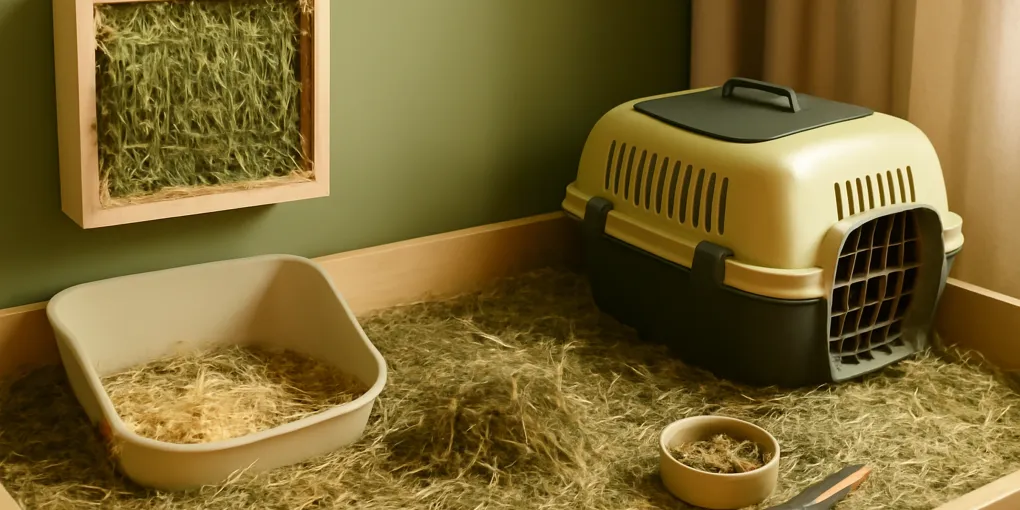
Best Guinea Pig Hay Racks for a Cleaner Litter Area
Buyer's Guidelow guinea pig hay rack
Best starting pointBest for: Adult guinea pigs that need easy nose-level hay access
Varies
Quick picks
| Product | Key Specs |
|---|---|
| See price on Amazon |
|
| See price on Amazon |
|
| See price on Amazon |
|
Product availability, certifications, and retailer details can change; check the current Amazon page before buying.
Quick Picks for Cleaner Hay Access
| Check current options | Best fit | What to inspect before buying |
|---|---|---|
| Search Amazon for low guinea pig hay racks | Most cages | Low front edge, no narrow head slots, easy refill path |
| Search Amazon for wide-opening guinea pig hay bags | Soft-sided cages | Reinforced seams, washable fabric, openings wider than the pig’s nose and jaw |
| Search Amazon for guinea pig litter tray hay racks | Litter-area setups | Low tray entry, paper bedding, stable wall attachment |
A good guinea pig hay rack is not the tallest, neatest, or most decorative feeder. It is the one that keeps hay available at nose level, prevents feet and heads from entering dangerous gaps, and still lets you refresh hay daily. Guinea pigs need near-constant access to grass hay for gut movement and tooth wear, so convenience for the owner should never come before access for the animal.
If you are also building a small bathroom zone, pair this guide with our rabbit litter training protocol for the same general principle: put hay where the animal naturally spends time, but keep the surface safe, dry, and easy to clean.
How We Evaluated Hay Racks
| Criterion | Weight | Score | Weighted | Why it matters here |
|---|---|---|---|---|
| Research | 30% | 8.4 | 2.52 | Guinea pig welfare guidance consistently treats hay access as a daily requirement, not an optional treat. |
| Evidence Quality | 25% | 8.0 | 2.00 | The best buying decisions come from husbandry guidance, dental anatomy, and visible safety inspection rather than brand claims. |
| Value | 20% | 8.5 | 1.70 | A simple low rack can reduce waste without making feeding difficult. |
| User Signals | 15% | 8.0 | 1.20 | Owners mainly complain about hay mess, clogged fleece, and pigs pulling the entire rack down. |
| Transparency | 10% | 9.0 | 0.90 | Buyer guidance emphasizes visible dimensions, gap size, edge safety, mounting stability, and return terms before purchase. |
| Composite Score | 8.3/10 | Buy for safe access and cleaning speed, not for a perfectly hay-free cage. |
The Non-Negotiable Safety Checks
Start with access height. A guinea pig should be able to eat with all four feet on the floor. If the rack encourages climbing, stretching, or bracing front feet against bars, it is mounted too high or built for a larger animal. Low hay piles are messy, but they are often safer than a tidy rack that turns eating into a reach.
Next, inspect every opening. Avoid narrow vertical bars, wire balls, or decorative grids where a head, jaw, or foot could enter and twist. A rack opening should let hay come out, not invite the guinea pig’s body into the feeder. Check the spacing again after filling, because packed hay can make animals tug harder.
Finally, check the floor under the rack. Guinea pigs should not stand on wire. Use fleece over an absorbent layer, paper bedding, or another safe solid surface in the litter area. Wet hay should be removed before it mats into bedding.
The RSPCA’s guinea pig care guidance emphasizes constant hay availability and appropriate housing, while VCA Hospitals explains that hay supports normal digestion and tooth wear in guinea pigs. Those two facts make a blocked or hard-to-reach rack more than a housekeeping problem.
Sources: RSPCA guinea pig diet, VCA guinea pig feeding
Low Racks vs Hay Bags
Low rigid racks are usually the easiest first purchase. They attach to cage grids, hold a visible amount of hay, and can be cleaned with a brush or rinse. Choose one with smooth edges and wide hay access rather than a narrow decorative front. If the rack only works when packed tightly, skip it. Hay should pull out with light effort.
Hay bags can help in C&C cages or travel pens where rigid hardware does not mount cleanly. The openings must be large and low. Inspect fabric daily for chewing, loose threads, and trapped hay dust. A hay bag that becomes damp or chewed should be washed or replaced.
Litter tray combinations can work if the tray is shallow enough for easy entry and large enough for the pig to turn around. Do not buy a tall corner pan designed for ferrets or rabbits unless your guinea pig can enter without hopping.
Setup Protocol
- Put the rack beside the preferred bathroom corner, not across the cage from it.
- Add a loose handful of hay under the rack for the first week so feeding does not depend on perfect rack use.
- Mount the rack low enough that the lowest hay is at nose height.
- Watch the first meal. If the pig climbs, paws, or jams the nose into a gap, change the rack.
- Refresh hay at least daily and remove damp clumps.
- Clean the tray before ammonia odor develops.
A hay rack should make daily care easier, but the test is animal behavior. If your guinea pigs eat less hay after the rack is installed, the rack has failed.
What to Avoid
Avoid hanging metal hay balls, narrow-grid feeders, slick plastic boxes with tiny slots, and any rack that depends on the guinea pig standing upright to eat. Also avoid scented bedding in the litter area and cedar or pine shavings that are not properly processed for small-animal use.
For a pair or herd, use a wider rack or two feeding stations so one confident pig cannot block access. Hay is a shared essential resource, not a toy to ration.
Place the two stations far enough apart that one guinea pig cannot guard both openings. At each refill, confirm that fresh strands remain reachable at nose height from both sides of the litter area.
Three Setups That Work
A small two-pig C&C cage usually does best with a low grid-mounted rack over a rectangular tray. The tray should be long enough for both pigs to stand near the hay without crowding. Put the rack on the outside of the grid if the design allows hay to be pulled inward without sharp edges; that can make refilling easier and keep hardware away from feet.
A Midwest-style cage with fabric sides often works better with a wide hay bag clipped low to the panel. The important detail is not the bag style. It is whether the eating openings stay at nose height after the bag is full. If the bag collapses into a tight pouch, the pig may have to tug hard and scatter hay anyway.
A senior or arthritis-prone guinea pig needs the easiest version: loose hay in a shallow tray plus a very low rack only as a backup. If the pig has weight loss, drooling, selective eating, or difficulty picking up strands, treat that as a veterinary dental concern rather than a feeder problem.
How to Compare Listings
Read dimensions before photos. Product photos often show young guinea pigs, rabbits, or staged cages that make a rack look larger than it is. Compare the listed width to your litter area and the opening size to your pet’s head. If the listing does not show gap spacing, mounting hardware, or cleaning instructions, choose a clearer product.
Prefer smooth metal, washable plastic, or tightly woven washable fabric with reinforced seams. Avoid unfinished wood in the wet corner unless you are prepared to replace it often, because urine and hay dust can make it hard to sanitize. For fabric bags, check whether the bottom seam traps wet hay. For rigid racks, check whether hay falls behind the cage panel where you cannot reach it quickly.
A useful return policy matters because safe fit is hard to judge online. Keep packaging until you have watched at least one feeding session. If the rack wobbles, drops, or lets a pig climb into it, return it instead of trying to make it work with zip ties in a risky position.
Daily Cleaning Routine
Morning: remove wet hay, shake loose bedding away from the rack, and top up fresh hay. Evening: pull the tray, wipe the rack contact points, and replace soiled bedding. Weekly: remove the rack fully and wash the corners where hay dust collects.
Hay dust and damp bedding can irritate respiratory systems and encourage odor. A rack that is hard to remove will eventually be cleaned less often, so easy removal is part of safety. If you use fleece, brush loose hay before laundering so it does not clog the machine.
Guinea Pig Hay Rack FAQ
How much hay should be available?
Enough that hay is still present between refills. Most healthy guinea pigs should have unlimited grass hay, usually timothy, orchard, or meadow hay depending on age, dental needs, and veterinary advice.
Should I put hay inside the litter tray?
A small amount can encourage use, but do not let it become wet and compacted. Keep the main edible hay clean and dry.
What if my guinea pig pulls all the hay out?
That is normal for many pigs. Try a lower, wider rack and smaller refills rather than a restrictive feeder. Wasted hay is preferable to reduced intake or unsafe access.
Frequently Asked Questions
- Low is safer and more natural. A guinea pig should be able to eat without stretching, climbing, or putting front feet into narrow openings.
- Hanging wire hay balls can create head, jaw, or foot entrapment risks. A low open rack or wide-opening hay bag is usually a safer starting point.
- No. Many guinea pigs still benefit from a loose hay pile or hay stuffed in a safe tray because foraging and constant access matter more than a perfectly neat cage.