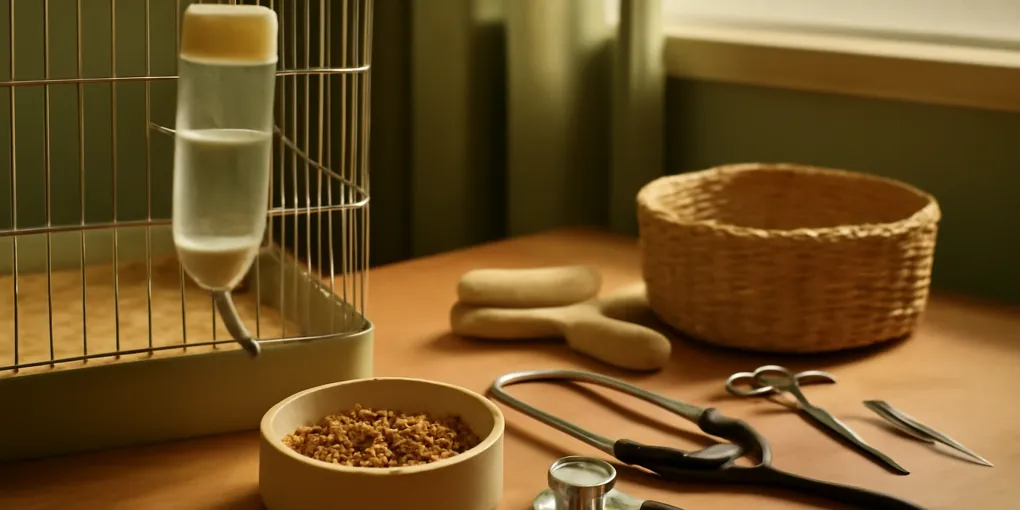
Guinea Pig Water Bottle vs Bowl: A Cleaner Hydration Setup Protocol
ProtocolQuick picks
| Product | Key Specs |
|---|---|
| See price on Amazon |
|
| See price on Amazon |
|
| See price on Amazon |
|
Product availability, certifications, and retailer details can change; check the current Amazon page before buying.
The answer: many cages need both at first
A water bottle is usually cleaner in a hay-filled guinea pig enclosure. A bowl is often easier to drink from. The safest setup for a new cage, a senior pig, or a pig with uncertain drinking habits is often one bottle plus one heavy bowl for a short observation period.
VCA notes that guinea pigs need constant access to fresh water, and the RSPCA emphasizes daily fresh water as part of a hay-based diet. The equipment choice matters only if the pig can actually use it and the water stays clean.
Hydration setup scorecard
| Criterion | Weight | Score | Why it matters here |
|---|---|---|---|
| Research | 30% | 8.0 | Small-pet husbandry sources consistently require constant fresh water. |
| Evidence quality | 25% | 7.5 | Bottle-versus-bowl data are practical husbandry rather than clinical trials. |
| Value | 20% | 8.5 | A second low-cost water source can prevent missed drinking during setup changes. |
| User signals | 15% | 8.0 | Leaks, dirty bowls, and ignored sippers are easy to detect with daily checks. |
| Transparency | 10% | 8.0 | The protocol gives observable pass/fail signs rather than claiming one universal winner. |
| Composite | 8.0/10 | Strong practical upgrade for cage hygiene and owner monitoring. |
Recommended products for guinea pig hydration
- Search Amazon for glass guinea pig bottles when bedding contamination is the main failure and the pig readily uses a sipper.
- Search Amazon for heavy ceramic bowls when the pig needs an easier drinking surface or a backup during bottle training.
- Search Amazon for bottle cleaning brushes because narrow tubes and caps get slimy faster than the cage looks dirty.
Step 1: place water next to hay, not under hay
Guinea pigs eat hay constantly, so water should be close to the main hay area without sitting directly under the rack. A bowl under hay becomes soup. A bottle with bedding packed against the spout can wick water into the cage and look like a leak.
Mount the bottle so the pig’s head is level or slightly raised, not stretched high. Put a bowl on a flat tile or low platform if bedding keeps drifting into it.
Step 2: run a two-source trial
For three to seven days, offer both a bottle and a bowl. Mark the bottle level with tape each morning. Refresh the bowl at least once daily and more often if hay lands in it. Watch which source each pig uses. Pair the trial with the cage’s hay layout, because the same hay pile that supports diet can also contaminate water; the related guinea pig hay station setup helps separate hay access from wet bedding.
If one pig guards the bowl or blocks the bottle, add a second station. In pairs or groups, one water point can create unnecessary competition.
Step 3: decide by the mess pattern
Choose the bottle as the primary source if the bowl is dirty within hours and the pig drinks confidently from the spout. Choose the bowl as a backup if the bottle leaks, the pig chews the spout, or intake drops when the bowl disappears.
A heavy ceramic bowl is better than a light plastic dish because it resists tipping. Shallow is better than deep; the pig should not need to climb or lean awkwardly.
Step 4: clean for slime, not just visible dirt
Rinse and refill daily. Use a narrow brush inside the bottle, cap, and tube. If the spout smells sour, sticks, or grows residue, replace it. Bowls need washing whenever bedding, feces, or softened pellets enter the water.
Do not add vitamin drops to water unless your veterinarian instructs it. They can change taste, complicate intake monitoring, and are not a substitute for a correct diet.
When water setup is not the real problem
Call a veterinarian if a guinea pig stops drinking, stops eating, produces fewer droppings, drools, loses weight, or seems painful when chewing. Dental disease and illness can change water use. Equipment changes should not delay medical care.
Daily check routine
Use the same quick inspection every morning: refill the bottle, rinse the bowl, feel the bedding under both water points, and compare the marked bottle level with the previous day. A sudden full bottle is as important as an empty one, because it may mean the pig cannot get water from the spout.
After cleaning, tap the bottle ball and watch for a bead of water. Then watch the guinea pig take a few normal sips before removing the backup bowl. If the pig only chews the spout, noses the bowl without drinking, or waits until fresh vegetables arrive to get moisture, keep both sources available and ask a small-pet veterinarian whether teeth, pain, or stress could be involved.
Guinea pig water FAQ
How high should a guinea pig water bottle be?
The spout should meet the pig’s mouth when standing normally. If the pig must stretch upward or crouch, remount it.
Can bedding make a bottle leak?
Yes. Bedding touching the spout can draw water out by contact. Clear the area under the spout and test again before replacing the bottle.
How often should I change bowl water?
At least daily, and immediately if hay, bedding, feces, or pellets fall in. Many bowls need midday refreshes.
Is a glass bottle better than plastic?
Glass is chew-resistant and easy to inspect, but the valve and mount still matter. A poorly mounted glass bottle can leak like any other.
Sources
- VCA Animal Hospitals: Guinea pigs - feeding
- RSPCA: Guinea pig diet
Frequently Asked Questions
- Some use both. A bottle usually stays cleaner, while a heavy bowl may be easier for pigs that dislike sipper tubes.
- Common causes include a loose cap, trapped air, poor angle, worn ball valve, or a bottle mounted where bedding touches the spout.
- Two sources are useful during setup changes, hot weather, illness monitoring, or multi-pig households.