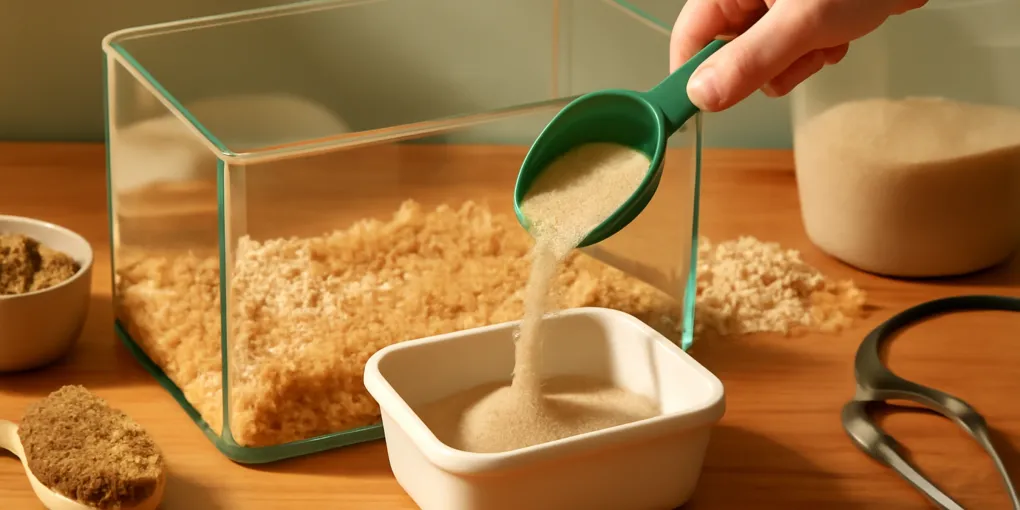
How to Set Up a Hamster Sand Bath: A Safe Routine for Cleaner Coats
ProtocolQuick picks
| Product | Key Specs |
|---|---|
| See price on Amazon |
|
| See price on Amazon |
|
Product availability, certifications, and retailer details can change; check the current Amazon page before buying.
How to Set Up a Hamster Sand Bath: A Safe Routine for Cleaner Coats
A hamster sand bath should be simple: dust-free, unscented sand in a stable dish that lets the hamster roll, dig lightly, and leave without stress. The goal is coat maintenance and normal grooming behavior, not a spa treatment. The biggest mistakes are using dusty chinchilla dust, scented products, calcium sand, or a container that traps the hamster.
This protocol is for healthy pet hamsters. If your hamster has hair loss, crusty skin, greasy fur that suddenly appears, scratching, weight loss, a wet tail area, or noisy breathing, do not try to solve it with more sand. Call an exotic-pet veterinarian.
For other small-pet setup work, see our guinea pig hay rack buying guide and quarantine tank setup protocol.
The safe setup in one pass
- Search Amazon for calcium-free reptile sand hamster sand bath if you need unscented, dust-controlled bath sand.
- Search Amazon for ceramic hamster sand bath dish if your current container tips or traps bedding.
- Search Amazon for small pet sand bath scoop if you want to spot-clean without dumping the whole bath every day.
PSR G6 score for this protocol
| Factor | Weight | Score | Weighted contribution |
|---|---|---|---|
| Research fit | 30% | 4.2 | 1.26 |
| Evidence quality | 25% | 3.9 | 0.98 |
| Value | 20% | 4.4 | 0.88 |
| User signals | 15% | 4.2 | 0.63 |
| Transparency | 10% | 4.3 | 0.43 |
| Composite | 100% | 4.2/5 |
The score reflects practical husbandry value and risk control. Sand baths are common in hamster care, but the safety margin depends on product choice and observation. Dust, fragrance, and poor ventilation matter more than brand hype.
Step 1: Choose sand, not dust
Use fine, clean, unscented sand that is marketed without added calcium, dyes, fragrance, or deodorizing chemicals. Many owners use reptile-safe sand only after confirming it is calcium-free and not dusty. Avoid chinchilla dust or powder. Dust can irritate a hamster’s respiratory tract and coat the enclosure.
Before placing sand in the habitat, pour a small amount slowly in a bright area. If a visible cloud hangs in the air, choose a different product. Sand should flow, not puff like flour.
Do not use beach sand, playground sand of unknown origin, potting material, clumping cat litter, bird grit, or anything treated with scent. Hamsters groom constantly and may pouch or nibble material while exploring.
Step 2: Pick a dish the hamster can leave easily
A good bath dish is heavy, shallow, and wide. Ceramic works well because it resists chewing and tipping. The hamster should be able to step in, turn around, roll, dig lightly, and step out. A Syrian hamster needs a larger dish than a dwarf hamster. A narrow jar may look cute but can trap heat, bedding, or a startled animal.
The lip should be low enough for easy entry. If bedding is deep, nest the dish slightly into the bedding so the entrance is stable. Avoid high-sided glass containers unless they have a safe ramp and enough interior room.
Step 3: Add only enough sand for rolling
Start with a shallow layer, often about one-half to one inch depending on dish size and hamster size. The hamster does not need a deep pit. Too much sand creates dumping, tunneling under the dish, and more mess. Too little sand makes rolling ineffective.
Place the dish away from the water bottle or bowl so leaks do not create damp clumps. Keep it away from the main nest if your hamster immediately fills it with bedding. A corner near the wheel or foraging area often works because the hamster already visits it while active.
Step 4: Watch the first night
Hamsters are nocturnal or crepuscular, so you may not see the first use live. Before bedtime, smooth the sand. In the morning, look for tracks, rolled patches, or scattered grains. Normal use can include rolling, digging, sitting, and grooming. It should not include frantic escape attempts, repeated sneezing, wet clumps, or avoidance paired with coat problems.
Some hamsters use the bath as a toilet. That is not a failure, but it changes the cleaning schedule. Spot-clean soiled sand daily and replace the whole bath more often.
Step 5: Clean on a schedule
Sift obvious debris daily or every few days, depending on use. Replace the full sand when it smells, clumps, becomes damp, shows urine spots, or looks dusty. Wash the dish with mild soap and water, rinse thoroughly, and dry completely before refilling. Never pour fresh sand over damp residue.
If your hamster stores food in the bath, remove perishable pieces. Dry seed is less urgent, but mold-prone fresh food should not sit in sand.
Species and coat differences
Dwarf hamsters often use sand baths enthusiastically and may benefit from constant access if the sand is safe and kept clean. Syrian hamsters vary more. Long-haired Syrian hamsters may drag bedding and sand into the coat; observe whether the bath helps or tangles the skirt. If the coat mats, adjust bedding, grooming support, and dish placement.
Roborovski hamsters may use larger open sand areas because digging and rapid movement are part of their normal behavior. Even then, the sand must stay dry and low-dust.
Respiratory red flags
Remove the bath and call a veterinarian if your hamster develops repeated sneezing, clicking, wheezing, nasal discharge, labored breathing, lethargy, or reduced appetite. Small mammals decline quickly when respiratory disease progresses. Do not mask a problem by switching scents or adding deodorizer.
Dust is not the only risk. A damp enclosure, poor ventilation, ammonia from urine, and scented bedding can also irritate airways. The sand bath should fit inside a clean habitat, not compensate for one.
Coat and skin red flags
A healthy hamster should groom and keep the coat relatively clean. Greasy fur can happen when a sand bath is missing, but sudden coat change also raises medical questions. Watch for bald spots, mites, scabs, crusting, wounds, overgrown nails, weight loss, or reduced activity.
Do not bathe a hamster in water for routine cleaning. Water bathing can cause stress and chilling, and it removes normal coat oils. Spot-clean with veterinary guidance only when medically necessary.
Common setup mistakes
The most common mistake is buying a product labeled dust bath. Dust is appropriate for some species in specific contexts but is not the safe default for hamsters. The second mistake is using scented sand that makes the enclosure smell pleasant to humans. Hamsters live with their noses close to the substrate; fragrance is not enrichment.
Another mistake is making the bath too small. If the hamster can only sit upright, it cannot roll. Finally, owners often forget the drying rule: the dish must be dry before refilling, or the sand becomes a clumped, dirty patch.
Weekly owner checklist
Once a week, check the bath and the hamster together:
- Does the sand create a dust cloud when disturbed?
- Is the dish stable after normal digging?
- Are there urine spots or damp clumps?
- Is the hamster’s coat cleaner, unchanged, or worse?
- Are there signs of sneezing, scratching, hair loss, or weight change?
- Is the bath stealing too much floor space from wheel, hide, food, and burrowing depth?
The best sand bath is boring: the hamster uses it, the sand stays dry, and the owner cleans it before it smells.
FAQ
Can hamsters use chinchilla dust?
No. Chinchilla dust or powder is too dusty for a hamster sand bath. Choose a low-dust, unscented sand instead and reject any product that creates a visible cloud.
Should a hamster sand bath stay in the cage all the time?
Many hamsters can have constant access if the sand is safe, dry, and cleaned. If the hamster uses it as a toilet, dumps it constantly, or shows respiratory signs, adjust the setup and cleaning schedule.
How big should the sand bath be for a Syrian hamster?
Large enough for the hamster to turn and roll without wedging against the wall. For many Syrian hamsters, that means a wide ceramic dish rather than a tiny jar.
Why is my hamster peeing in the sand bath?
Some hamsters choose sand as a toilet area. Spot-clean daily and replace the sand more often. If urination changes suddenly or the hamster seems unwell, contact an exotic-pet veterinarian.
Sources and veterinary references
- Merck Veterinary Manual. Disorders and diseases of hamsters: https://www.merckvetmanual.com/exotic-and-laboratory-animals/rodents/hamsters
- PetMD. Hamster care and welfare basics: https://www.petmd.com/exotic/care/evr_ex_hm_how-to-care-for-your-hamster
- RSPCA. Hamster welfare and environment guidance: https://www.rspca.org.uk/adviceandwelfare/pets/rodents/hamsters