Aquarium Drip Acclimation Protocol: When It Helps, When It Hurts, and What to Buy
ProtocolQuick picks
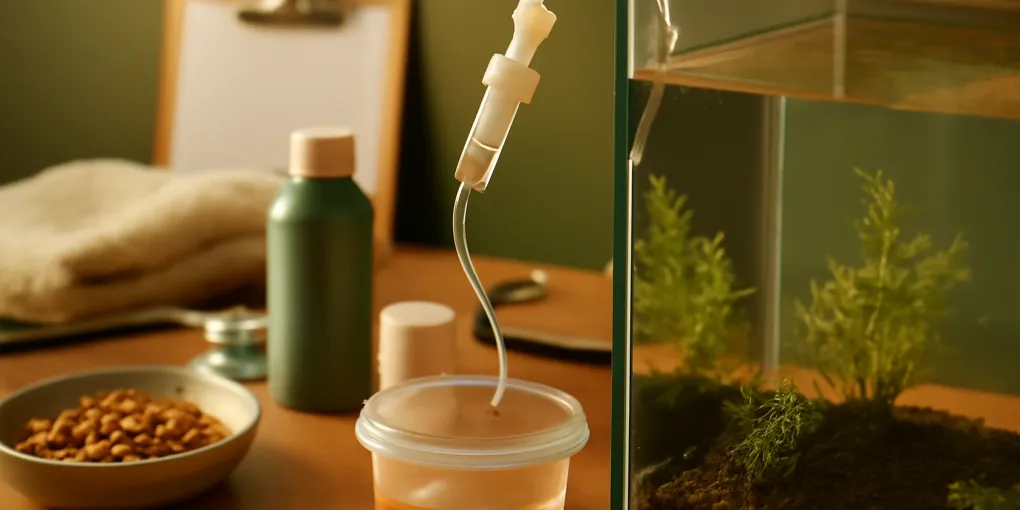
Aquarium drip acclimation kit with valve
★ Top pick Best control tool- Easy drip-rate control
- Reusable
- Works for shrimp and fish
- Needs supervision
- Can siphon too fast
Clear specimen container or acclimation box
Best observation container- Lets you inspect arrivals
- Keeps fish contained
- Easy to pour off water
- Small volume chills quickly
- Not a quarantine tank
Aquarium ammonia test kit
Best safety check- Confirms quarantine readiness
- Useful beyond acclimation
- Catches filter failures
- Takes practice
- Reagents expire
Drip acclimation is not a ritual every new aquarium animal needs. It is a tool for changing water chemistry slowly. Used well, it helps sensitive shrimp, snails, and some fish adjust to different hardness, pH, salinity, or temperature. Used badly, it leaves animals sitting for hours in a small container of cooling, ammonia-bearing shipping water.
The safest protocol is short, supervised, and paired with quarantine. Match temperature first. Decide whether a drip is actually needed. Keep dirty bag water out of your aquarium. Move the animal, not the water.
Quick picks for a safe acclimation station
- Search Amazon for aquarium drip acclimation kits: buy this first if you keep shrimp, snails, marine livestock, or delicate fish that need controlled water mixing. The valve is the important part because it lets you slow or stop the siphon without guessing with a knot.
- Search Amazon for clear aquarium specimen containers: use this when you want to watch breathing, color, hitchhikers, and waste during the transfer. Choose a smooth container that has never held soap, plant fertilizer, paint, or household cleaners.
- Search Amazon for aquarium ammonia test kits: buy this before livestock arrives if your quarantine tank is new or has been idle. Drip acclimation cannot rescue fish from an uncycled holding tank.
When drip acclimation helps
Drip acclimation is most useful when the animal is sensitive to osmotic change or when source water is very different from tank water. Freshwater shrimp, many snails, delicate wild-caught fish, and marine livestock are common examples. A controlled drip lets the container water gradually approach the tank’s parameters.
It is less useful for hardy fish that have been in a shipping bag for many hours. In a closed bag, carbon dioxide can lower pH, which keeps a larger fraction of ammonia in the less toxic ammonium form. Once the bag opens and pH rises, toxic un-ionized ammonia can increase. That is why marathon acclimation can be harmful. The University of Florida IFAS aquaculture material explains that ammonia toxicity depends strongly on pH and temperature (UF IFAS ammonia in aquatic systems).
If the bag smells foul, the animal is gasping, or shipping took a long time, prioritize temperature matching and a faster transfer into clean quarantine water.
What to buy
A basic drip kit is just airline tubing plus a clamp or valve. Search Amazon for aquarium drip acclimation kits. The valve matters because knots in tubing are hard to repeat and can suddenly loosen.
Use a clear specimen container or food-safe bucket that has never seen soap, cleaners, or chemicals. Search Amazon for aquarium specimen containers. A clear container lets you watch breathing, posture, color, and hitchhikers.
Finally, keep ammonia and pH tests on hand. Search Amazon for aquarium ammonia test kits. These tests are not just for acclimation; they confirm that quarantine is ready.
Protocol for shipped fish
Float the sealed bag in the quarantine tank for 15 to 20 minutes if the temperature difference is modest. Keep lights low. Do not open the bag while it floats if the water may be dirty from long shipping.
Open the bag, pour the animal and bag water into a clean container, and start a siphon from the quarantine tank using airline tubing. Set the valve to a slow stream or two to four drips per second. The exact drip rate matters less than monitoring time, temperature, and animal stress.
When the container volume doubles, remove and discard half the water. Repeat once if the animal remains stable and the temperature is not dropping. For many freshwater fish, this takes about 20 to 40 minutes. Net or cup the fish into quarantine. Discard the acclimation water.
Protocol for shrimp and snails
Shrimp and snails often deserve a slower approach because total dissolved solids and hardness changes can be stressful. Start with one to two drips per second. Double the container volume, discard half, then continue until the water has been mostly replaced with tank water. Many keepers use 45 to 90 minutes for shrimp, but the container still needs stable temperature and oxygen.
Do not let a tiny cup sit on a cold countertop. Put the container near the tank, away from drafts, and monitor. If an animal rolls, gapes, floats abnormally, or stops responding, end the drip and transfer to clean, matched quarantine water.
Quarantine beats display dumping
Acclimation is not disease prevention. New fish can carry parasites or pathogens even if the transfer is gentle. A quarantine tank gives you time to observe feeding, breathing, spots, frayed fins, and abnormal waste before the display is exposed. Merck Veterinary Manual notes that stress, poor water quality, overcrowding, and failure to quarantine new or sick fish are common contributors to fish disorders (Merck Veterinary Manual: disorders and diseases of fish).
Use a cycled sponge filter, heater if the species needs one, lid, thermometer, and hiding place. If you do not have quarantine ready, a drip kit does not make the introduction safe.
Mistakes to avoid
Do not drip for hours because it feels careful. Long exposure can mean cold water, rising ammonia toxicity, and low oxygen. Do not pour store water into your tank. Do not acclimate in a bucket that previously held detergent, paint, or yard chemicals. Do not chase pH with bottled chemicals during the transfer. Stability matters more than a perfect number on day one.
Do not mix species in one acclimation container. A stressed fish, shrimp, or snail should not be forced into close contact with another new arrival.
Reader test: should you buy a drip kit?
Buy a drip kit if you keep shrimp, snails, marine livestock, delicate species, or fish from sources with very different water. Skip it as a universal ritual if you mostly move hardy freshwater fish from local water into a prepared quarantine tank. In that case, spend first on a quarantine setup and test kit.
FAQ
What drip rate should I use?
For fish, start around two to four drips per second. For shrimp, start slower. Adjust based on container volume, species, and stress signs rather than treating a number as magic.
Can I use an air stone during acclimation?
In a larger bucket, gentle aeration can help oxygen. In a tiny container, turbulence may stress delicate animals. If shipping water is dirty, a shorter transfer is usually more important.
Is drip acclimation enough for saltwater fish?
No. Marine acclimation also depends on salinity, pH, temperature, oxygen, and disease protocols. Follow the seller’s arrival instructions and use quarantine whenever possible.