Best Aquarium Algae Scrapers: Glass, Acrylic, and Corner-Safe Picks
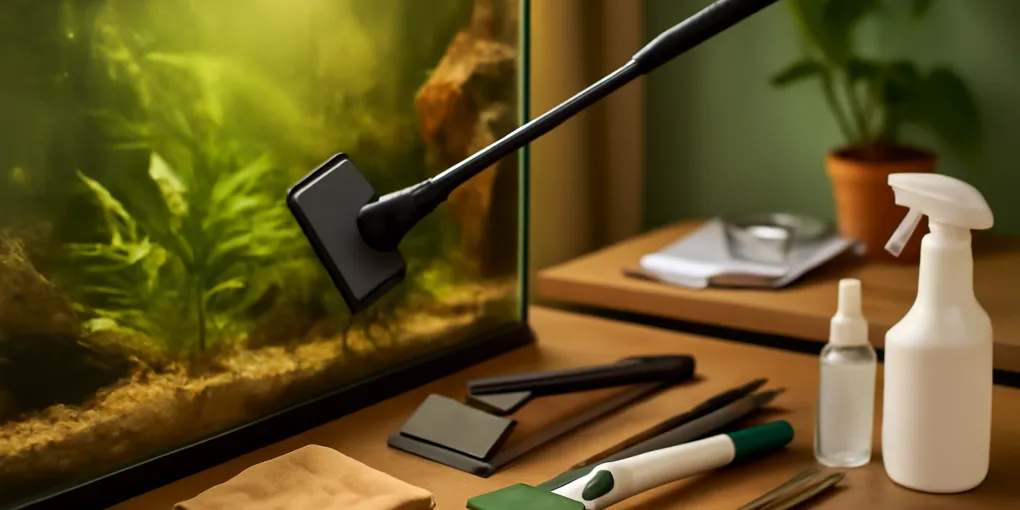
Buyer's GuideLong-handled glass aquarium scraper with replaceable blade
Best for glass tanksBest for: Standard glass tanks with green spot algae on the front panel
$10-$22
Quick picks
| Product | Key Specs |
|---|---|
| See price on Amazon |
|
| See price on Amazon |
|
| See price on Amazon |
|
Product availability, certifications, and retailer details can change; check the current Amazon page before buying.
Direct answer
The best aquarium algae scraper is the one that matches your tank material before it matches your patience. A razor-style blade can be excellent on flat glass, but it is the wrong tool for acrylic. A soft pad is safer for acrylic and curved fronts, but it takes more passes on hard green spot algae. A floating magnetic cleaner is convenient for light film, yet it becomes a scratch risk if sand gets trapped under the wet pad.
Aquarium cleaning is not just cosmetic. The RSPCA’s fish environment guidance emphasizes suitable water quality and an appropriate aquatic environment for fish welfare (RSPCA). Algae management should support that stable environment rather than turning every cleaning day into a deep disturbance. Fishkeeping.co.uk also notes that algae growth is tied to light, nutrients, and maintenance patterns, so scraping is only one part of control (Fishkeeping.co.uk).
Quick picks by tank type
- Choose a glass-only blade tool: search Amazon for long-handled glass aquarium scrapers if you have a glass tank, a deep front panel, and stubborn green spot algae.
- Choose a non-scratch pad: search Amazon for acrylic-safe algae cleaning pads if the panel is acrylic, curved, or old enough that you are not sure what previous scratches came from.
- Choose a daily film tool: search Amazon for floating magnetic aquarium cleaners if you want a light daily wipe and can keep the pad away from sand and gravel.
How to choose without scratching the tank
Start with the panel material. Glass tolerates purpose-made aquarium blades better than acrylic, but even glass can scratch if the blade is chipped, angled, or dragged through substrate grit. Acrylic needs a softer tool and slower technique. If you inherited the tank and do not know the material, start with the gentlest acrylic-safe pad until you can confirm it.
Next, match the handle to the tank depth. A short handheld pad is fine for a shallow nano tank. A 20-gallon high tank or tall display needs a handle long enough to clean the lower front panel without leaning body weight on the rim. Pressing down on lids, lights, or braces while reaching for algae can crack plastic parts and frighten fish.
Finally, decide whether you are removing light film or hardened spots. Film algae responds to frequent gentle passes. Hard green spots on glass may need a blade. Brown diatom film in a new tank often wipes off easily, but the bigger fix is patience, stable water changes, and not overfeeding.
Blade scraper versus magnetic cleaner
A blade scraper is a targeted tool. It should stay flat against glass, move slowly, and stop before it hits silicone seams. Do not use it on corners, seals, heater guards, or acrylic panels. Replace the blade when it rusts, bends, or catches.
A magnetic cleaner is a maintenance tool. It is useful because the outside magnet keeps your hands out of the tank for quick wipes. It is not a license to scrub the sand line. Keep the inside pad above the substrate, rinse it when it feels gritty, and store it out of the tank if curious fish or snails wedge debris into it.
Setup and use protocol
Turn off wavemakers or strong flow long enough to see the panel clearly. Move decorations only if they block the front glass; do not rearrange the whole habitat just to chase algae. Clean top to bottom, stopping one to two inches above the substrate. If you need the bottom line clean, use a separate soft pad after you have vacuumed loose grit.
For acrylic, test the tool in a rear corner first. Use straight passes, not circles, because circular scrubbing can trap grit and make swirls. For glass blades, keep the edge flat and never dig into silicone. If the algae does not move, pause and reassess light, nutrients, and tool choice rather than adding pressure.
What to avoid
Avoid kitchen sponges, magic erasers that are not explicitly aquarium-safe, household cleaners, and any pad that has touched soap. Avoid metal blades on acrylic. Avoid scraping during a fish-feeding frenzy, because excited fish can dart into the tool or exposed hand.
Do not treat algae as proof that the aquarium needs a blackout, chemical algaecide, or total teardown. Too much light, excess nutrients, immature biofiltration, and inconsistent maintenance are more common reasons. A scraper clears the viewing panel; it does not replace water testing and husbandry.
Material-specific buying checks
For glass tanks, look for a scraper head that holds the blade firmly and exposes only a controlled edge. A wobbling blade encourages owners to press harder, which is when silicone seams get nicked. Replacement blades matter too. If the product uses an odd blade size that is hard to replace, the tool may sit in a drawer after the first edge dulls.
For acrylic tanks, the word acrylic-safe should be on the product page or package. Soft does not automatically mean safe; some household pads contain abrasive grit. If the aquarium has a bow front or rounded corners, a flexible pad is usually safer than a rigid head that only touches at one edge.
For planted tanks, choose a head shape that can pass between stems without uprooting them. For tanks with shrimp or small fry, move slowly and inspect the pad before each pass. Tiny animals can cling to film algae or sit near the glass, especially when food particles collect there.
Maintenance schedule that prevents hard scraping
The easiest algae to remove is the film you never let harden. Wipe the viewing panel before a water change, then vacuum loose debris after it settles. Keep a separate algae pad for aquarium use only and store it where it cannot pick up dust, soap, or kitchen cleaner. If the pad ever touches the floor, rinse it thoroughly and inspect it for grit before it goes back near glass.
A scraper should not be your only algae plan. Shorten excessive lighting, remove uneaten food, and test nitrate when growth accelerates. If the same corner blooms first, check whether sunlight hits that panel or whether flow leaves a dead spot. Scraping the symptom every day without changing the cause is frustrating for you and disruptive for the fish.
When to skip scraping
Skip scraping during a new-fish acclimation day, immediately after major aquascaping, or when fish are already gasping, hiding, or reacting to a water-quality problem. In those moments, water testing and stability matter more than a clean viewing pane. Also skip aggressive scraping near eggs, bubble nests, fry, or territorial fish guarding a specific corner.
If you need to remove mineral scale from an empty glass tank, use a method meant for an empty aquarium and rinse thoroughly before livestock return. Do not confuse hard-water scale removal with routine algae wiping in an inhabited tank.
Size and grip details that matter
For nano tanks, a huge magnet or wide blade can be clumsy. It may bump hardscape, trap snails, or miss the curved front corners that actually bother you. A narrower pad with a controllable handle is often better than the most powerful cleaner on the shelf. For deep tanks, the opposite is true: a short handle forces your wrist into the water and makes it harder to keep a blade flat.
Grip matters because algae scraping is repetitive. A slick plastic handle encourages sudden slips. Look for a handle shape that can be held with wet hands, especially if you maintain more than one tank. If the tool has interchangeable heads, confirm that the locking mechanism is firm before using a blade near livestock. A head that twists under pressure can turn a careful pass into a corner scrape.
Buyer fit summary
Buy the glass blade scraper when your main problem is hard green spot algae on a flat glass viewing panel. Buy the acrylic-safe pad when scratch avoidance matters more than speed. Buy the floating magnet when the tank is already under control and you want a two-minute film wipe between water changes. If you are trying to rescue a neglected tank with thick algae, start with water testing and staged cleaning instead of assuming a stronger scraper is the humane fix.
Aquarium algae scraper FAQ
How often should I scrape aquarium glass?
For light film, a few gentle passes once or twice a week is easier than waiting for hard spots. Tanks near windows or with long light schedules may need more frequent wiping, but the better fix is adjusting light and nutrient inputs.
Should I scrape the back panel too?
Usually not every time. Some owners leave the back panel alone unless algae blocks equipment checks. A little background growth can be less stressful than repeatedly removing decor and chasing every surface.
Can algae scrapers hurt fish?
The scraper itself should not hurt fish if used slowly, but sudden movements, rearranged cover, and cloudy debris can stress them. Clean in short sessions and stop if fish are crowding the tool.
Internal next step
If algae keeps returning after every cleaning, pair the scraper choice with the aquarium water test kit guide and the aquarium filter media cycling protocol. Scraping works best when water quality and lighting are under control.
For programmable intensity and photoperiod control, compare options in our smart aquarium light guide.
Sources
- RSPCA: Fish environment and welfare guidance
- Fishkeeping.co.uk: Algae in the aquarium
Frequently Asked Questions
- No. Use acrylic-safe pads or scrapers only. Metal blades and trapped sand can leave permanent scratches in acrylic panels.
- They can be, but stop above the substrate and inspect the wet pad often. A single trapped grain can scratch glass or acrylic.