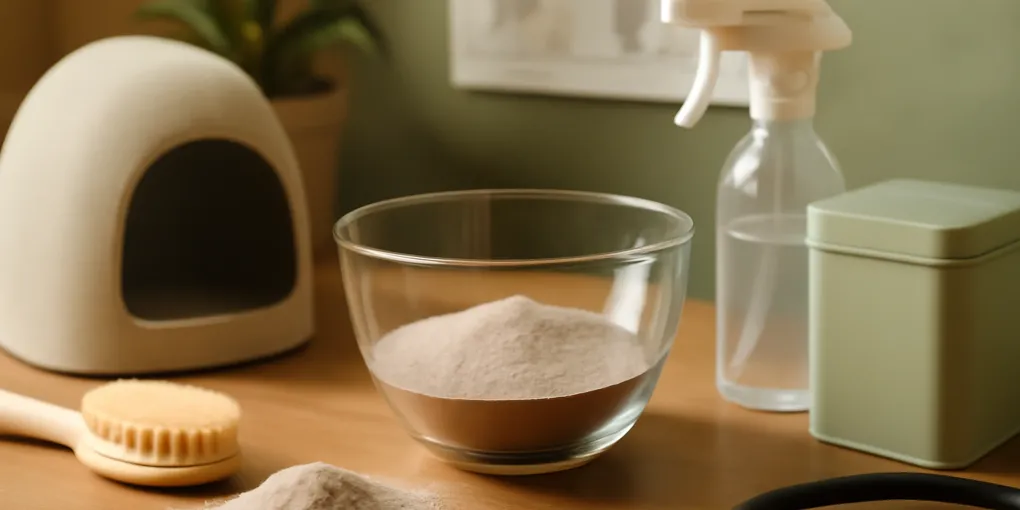
Chinchilla Dust Bath Setup Protocol: How to Keep Fur Clean Without Skin Stress
ProtocolQuick picks
| Product | Key Specs |
|---|---|
| See price on Amazon |
|
| See price on Amazon |
|
| See price on Amazon |
|
Product availability, certifications, and retailer details can change; check the current Amazon page before buying.
Medical Disclaimer
Chinchillas are exotic pets with species-specific skin, respiratory, dental, and gastrointestinal risks. This guide is educational and cannot diagnose coat loss, itching, eye irritation, coughing, or lethargy. If your chinchilla has bald spots, wounds, persistent sneezing, wet fur, reduced appetite, abnormal droppings, or sudden behavior changes, contact an exotic-pet veterinarian.
PSR Fit Score
| Criterion | Weight | Score | Weighted | Why it matters for dust baths |
|---|---|---|---|---|
| Research | 30% | 8.0 | 2.40 | Chinchillas have dense fur that is maintained with dry bathing, not water bathing. |
| Evidence Quality | 25% | 7.5 | 1.88 | Most owner guidance comes from exotic-veterinary husbandry resources rather than large trials. |
| Value | 20% | 8.5 | 1.70 | A correct dust bath is inexpensive and prevents common coat-management mistakes. |
| User Signals | 15% | 8.0 | 1.20 | Owners search for frequency, dust type, container size, and respiratory safety. |
| Transparency | 10% | 9.0 | 0.90 | The recommendation is limited to setup and monitoring, not treating skin disease. |
| Composite Score | 8.1/10 | High practical value when the dust is species-appropriate and access is timed. |
The Short Version
A chinchilla dust bath should be short, dry, and controlled. Put a shallow layer of fine chinchilla bathing dust in a stable container, offer it for about 10 to 15 minutes, then remove it. Watch the coat, eyes, nose, and skin instead of assuming that more dust is always better.
Start with Search Amazon for fine chinchilla bathing dust, a Search Amazon for tip-resistant chinchilla dust bath containers, and a dry Search Amazon for sealed dust storage containers and scoops. The useful purchase is not the cutest bath house. It is the setup that keeps dust dry, lets the chinchilla roll normally, and gets removed before the dust becomes bedding.
Why Chinchillas Need Dust, Not Water Baths
Chinchillas have unusually dense fur. Water can stay trapped near the skin, leaving the coat slow to dry and increasing the chance of chilling, matting, or skin irritation. Husbandry guidance from veterinary and university small-pet resources consistently treats dust bathing as normal coat care for chinchillas, while water bathing is not a routine grooming method.
Dust works because the fine particles absorb oil and moisture from the coat while the animal rolls. That does not mean any powder is safe. Dust that is scented, coarse, damp, dirty, or constantly available can irritate eyes and airways. A chinchilla that looks greasy, patchy, itchy, or damp may need a medical check, not an extra-long bath.
If you keep several small mammals, avoid copying routines across species. Hamsters and gerbils may use sand baths differently, rabbits should not be dust-bathed, and guinea pigs have different grooming needs. For hay-focused small-pet setup, see our guinea pig hay station protocol, but do not apply chinchilla dust rules to guinea pigs.
Step 1: Choose the Right Dust
Use dust sold specifically for chinchillas from a reputable pet supplier. The texture should be fine, dry, and unscented. Avoid bath products marketed mainly by fragrance, color, or novelty packaging. Avoid beach sand, playground sand, garden soil, clay litter, baking soda, cornstarch, baby powder, or any powder with essential oils.
A good product should pour freely and stay dry in storage. If it clumps, smells musty, looks damp, or has visible debris, discard it. Chinchillas roll with their face close to the dust, so eye and nose irritation matter as much as coat appearance.
Step 2: Pick a Container That Lets the Chinchilla Roll
The container should be wide enough for a full roll and heavy enough not to tip. Ceramic bowls, glass jars placed safely on their side, or purpose-built dust bath houses can work. The key dimensions are shoulder room, entry height, and stability.
Covered bath houses reduce mess, but do not choose a tiny covered box that traps a dense cloud. If the inside is foggy with dust after each roll, ventilation may be poor. Open bowls are messier but easier to inspect and clean.
Place the bath on a flat part of the enclosure or in a supervised play area. Do not put it on a high shelf where a rolling chinchilla can fall. Keep it away from water bottles, damp bedding, fresh food, and urine corners.
Step 3: Use a Timed Bath Window
Offer the bath for about 10 to 15 minutes, a few times per week, then remove it. Some homes need more frequent baths during humid weather, while dry homes or sensitive animals may need less. The goal is a clean, fluffy coat without dry skin, eye irritation, or constant airborne dust.
Do not leave the bath in the cage all day as permanent furniture. Unlimited access can lead to over-bathing, soiled dust, chewing on the container, or a constant powder layer over food and bedding.
If the chinchilla refuses the bath, check timing and location first. A nervous chinchilla may avoid a new container, a bright room, or a bath placed near a noisy appliance. Do not force rolling by pushing or trapping the animal inside.
Step 4: Clean and Store the Dust Correctly
After each bath, remove droppings, hay, and visible debris. If the dust is only lightly used and still dry, some owners reuse it briefly. Discard it if it is damp, clumped, smelly, discolored, or contaminated with urine or soft stool.
Store clean dust in a dry, sealed container. Humidity changes texture and makes dust less useful. Wash the bath container as needed, then dry it completely before adding dust again. Damp corners turn a grooming tool into a skin and odor problem.
Step 5: Monitor Skin, Eyes, and Breathing
A normal post-bath chinchilla should look fluffier and behave normally. Warning signs include repeated sneezing, watery eyes, pawing at the face, wheezing, visible dandruff, scratching, bald patches, or greasy fur that returns quickly. These signs should not be solved by adding more dust.
Coat trouble can reflect humidity, dental disease, pain, parasites, barbering, stress, poor diet, or another medical problem. Bring photos, dust brand details, bath frequency, humidity notes, and enclosure-cleaning routine to the veterinarian.
Buying Checklist
Before buying chinchilla dust bath supplies, verify:
- The dust is marketed for chinchillas and is unscented.
- The container is large enough for a full roll.
- The container cannot tip from normal rolling.
- The entry is easy but not so open that dust spreads into food and water.
- The bath can be removed after each session.
- Storage keeps dust dry between baths.
- Cleanup tools let you remove droppings without stirring clouds into your face.
FAQ
How often should a chinchilla get a dust bath?
Many healthy chinchillas do well with short dust baths a few times per week, but humidity, coat condition, and veterinary advice matter. Daily unlimited access can dry skin or increase respiratory dust exposure.
Can I use sand instead of chinchilla dust?
Use a product sold for chinchillas unless your exotic veterinarian recommends otherwise. Coarse sand may not absorb oil well and can abrade fur or skin.
Should the dust bath stay in the cage all day?
Usually no. Offer a timed bath, then remove it so the chinchilla does not over-bathe, soil the dust, or create constant airborne powder.
When is a dusty chinchilla a veterinary issue?
Matted fur, damp patches, bald spots, scratching, eye discharge, sneezing, wheezing, or weight loss should be checked by an exotic-pet veterinarian rather than handled with more dust.
Sources
- Merck Veterinary Manual: Introduction to chinchillas
- VCA Animal Hospitals: Chinchillas, owning
- RSPCA: How to care for your chinchillas