Churu Cat Treat Review: Useful Hydration Helper or Too Easy to Overfeed?
ReviewINABA Churu lickable cat treats
Reviewed pickBest for: Training, medication encouragement, nail-trim rewards, and extra moisture snacks
$6-$30
Quick picks
| Product | Key Specs |
|---|---|
| See price on Amazon |
|
| See price on Amazon |
|
Product availability, certifications, and retailer details can change; check the current Amazon page before buying.
Verdict
Churu cat treats are useful if you treat them like a high-value tool: a small lickable reward for training, handling, appetite encouragement, carrier work, or medication routines. They are not a hydration cure, dental product, complete food, or permission to ignore total calories.
The best use case is controlled and specific: squeeze a small amount onto a spoon, dish, lick mat, or pill routine, then stop. The worst use case is handing over tube after tube because the cat begs. Cats can learn that the tube appears after yelling, and owners can lose track of calories quickly.
Tufts veterinary nutrition guidance notes that treats should not unbalance the diet and commonly recommends keeping treats to a small share of daily calories (Tufts Petfoodology). WSAVA’s nutrition guidance also encourages evaluating foods and treats through a nutrition and label-quality lens rather than marketing alone (WSAVA Global Nutrition Guidelines).
What Churu does well
It is highly motivating
Many cats find lickable puree treats more exciting than crunchy treats. That makes Churu useful for nail trims, carrier training, brushing practice, and vet-prep routines. A cat that ignores kibble may still lick puree while you touch a paw for one second.
That motivation is the product’s main value. It turns a tiny handling step into something the cat chooses to repeat. For nervous cats, use the treat before the cat is upset, not as a bribe after a full restraint battle.
It adds moisture in a snack format
Lickable treats contain far more water than dry treats. That can be helpful for cats that prefer wet textures or need a softer reward. It does not replace a water plan, wet food plan, or veterinary advice for kidney disease, urinary issues, constipation, or dehydration.
If your goal is hydration, start with water bowl placement and complete wet food. A treat tube is a supplement to that plan, not the foundation.
It is easy to portion if you decide first
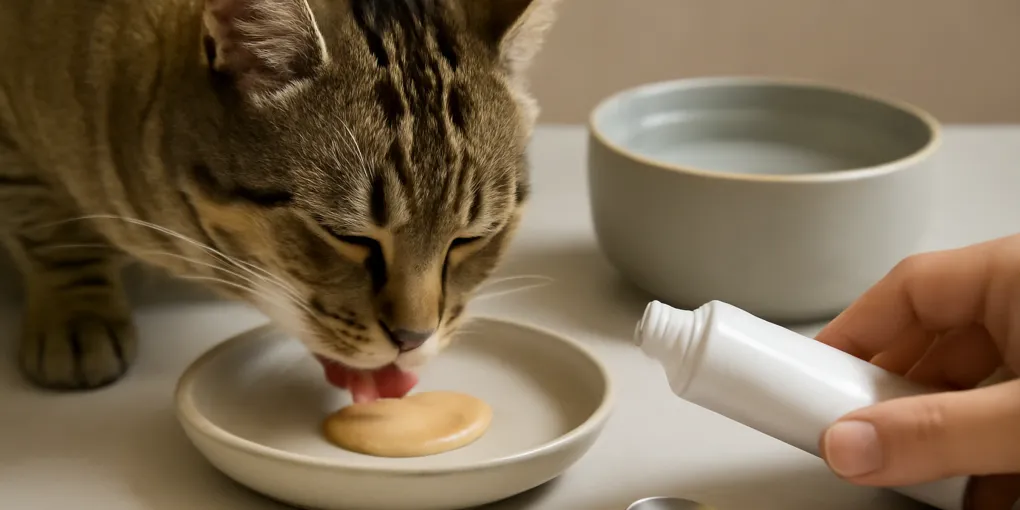
The tube format can be precise if you set a rule: half a tube for nail practice, a pea-sized amount for pill follow-up, or a thin smear on a lick mat. It becomes imprecise when the cat eats directly from the tube and the owner keeps squeezing.
For multi-cat homes, portion into separate dishes. That prevents the fastest cat from eating everyone else’s treat and makes it easier to spot appetite changes.
Where Churu falls short
It is still a treat
A treat can be soft, moist, and useful while still adding calories. If your cat is on a weight-loss plan, ask your veterinarian how many treat calories fit. Do not assume a low-calorie tube is irrelevant if you use several per day.
Treats also vary by flavor and formula. Check the current label for calories, sodium, phosphorus-sensitive ingredients, fish content, and any ingredient your cat cannot tolerate. Cats with pancreatitis history, kidney disease, food allergies, urinary diets, or prescription diets need veterinary guidance before frequent use.
It can create tube biting and mess
Some cats bite the plastic tube. If yours does, squeeze the puree onto a spoon or dish instead of offering the tube directly. Do not let a cat chew packaging. The point is licking, not tearing.
The puree can also smear on whiskers, carpet, and furniture. Use a dish, washable mat, or sink-side routine if your cat is enthusiastic.
It does not clean teeth
Soft treats do not mechanically clean teeth in a meaningful way. If the cat has bad breath, drooling, pawing at the mouth, dropped food, or visible tartar, use a veterinary dental plan. Churu may help reward toothbrushing practice, but it is not the cleaning method.
Best use cases
Churu is worth considering for:
- Carrier practice: smear a small amount inside the carrier or on a dish just inside the door.
- Nail trims: one person offers a tiny lick while the other touches one paw or clips one nail.
- Medication follow-up: use after a pill if the drug can be given with food and your veterinarian approves.
- Appetite monitoring: a cat refusing a favorite puree may need closer observation.
- Senior cats: soft texture can be easier than crunchy treats, though medical diets still matter.
Who should be careful
Be careful with cats on prescription urinary, kidney, allergy, gastrointestinal, or weight-loss diets. Also be careful if your cat vomits after rich treats, bites packaging, resource-guards food, or becomes frantic around squeeze tubes. In those cases, use a dish, smaller portions, or a different reward.
For kittens, choose age-appropriate food first and ask your veterinarian before making treats routine. For diabetic cats, do not add daily treats without the veterinary team knowing; even small changes can interfere with a feeding plan.
Churu versus alternatives
Compared with freeze-dried meat treats, Churu is wetter, smellier, and easier to use for licking-based handling. Search Amazon for single-ingredient freeze-dried cat treats if you need rewards that are cleaner in pockets and can be crumbled into meals, but they do not add much moisture. Compared with regular wet food, Churu is more convenient as a training reward but less appropriate as a meal.
If the cat needs daily moisture, complete wet food usually makes more sense. If the cat needs a once-a-day handling reward, Churu can be more convenient.
How to buy
Pick small variety packs first. Cats can love one flavor and reject another. Check the current label for calories per tube and ingredients. If you plan to use Churu for medication, choose a flavor your cat already loves before the medication period starts; do not introduce a new treat and a new drug on the same stressful day.
Choose a current pack size and flavor mix instead of assuming one bundle is always the best buy. Packaging, counts, and flavors change. Search Amazon for INABA Churu cat treats.
Churu cat treat FAQ
How many Churu tubes can a cat have per day?
There is no universal number because cat size, body condition, diet, and medical history matter. Read the current calories per tube and keep all treats within your veterinarian’s calorie guidance.
Can I freeze Churu treats?
Some owners freeze small portions for slower licking, but watch texture, choking risk, and tooth sensitivity. Offer a small softened amount first and do not use frozen treats for cats with dental pain.
Is Churu better than a cat water fountain?
No. It has a different job. A fountain or water bowl setup supports daily drinking access; Churu is a reward or snack. If hydration is the problem, look at the whole water and diet routine.
Internal next step
For hydration setup, read cat water bowl placement before relying on treats. For handling routines, pair lickable rewards with carrier training so the treat supports a skill rather than random begging.
Sources
- Tufts Petfoodology: Treat options without unbalancing the diet
- WSAVA: Global Nutrition Guidelines
Frequently Asked Questions
- No. They are treats, not a complete diet. Use them as a small part of daily calories unless your veterinarian gives a specific feeding plan.
- Sometimes. The strong smell and soft texture can help hide or follow medicine, but always confirm the medication can be given with food and that the cat receives the full dose.