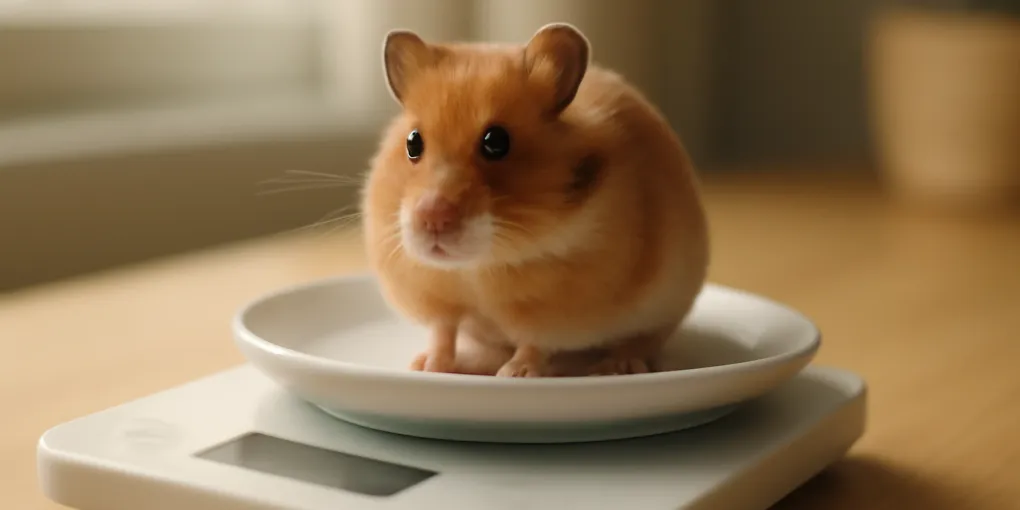
How to Weigh a Hamster at Home Without Turning It Into a Chase
ProtocolQuick picks
Smart Weigh SWS100 pet scale
★ Top pick Best platform for a small carrier- Note: A broad platform is easier to use with a light container than a narrow kitchen scale. Confirm gram resolution and maximum capacity before buying.
Hard-sided ventilated small-pet carrier
Best contained weigh-in- Note: Choose a carrier with secure ventilation and a base that sits flat on the scale. It is for a brief, supervised reading, not routine housing.
A hamster is easiest to weigh when it is already inside a small, familiar container. Put the empty container on a gram scale, tare it to zero, let the hamster step in, and record the stable number. Do not pursue a loose hamster around a table or squeeze it onto a scale platform to get a reading.
Quick picks for hamster weighing
- For a small carrier setup: See price on Amazon for the Smart Weigh SWS100 pet scale. Its broad platform matters more than extra app features when the carrier is the thing being measured.
- For a containment-first routine: See price on Amazon for a hard-sided ventilated small-pet carrier. Skip fabric carriers that sag or have a base too narrow for the scale.
The setup that avoids a chase
Use a digital scale that reads in grams and is stable on a low, firm surface. See price on Amazon for the Smart Weigh SWS100 pet scale if its platform fits the container. A regular kitchen scale can work only if the container fits securely and the display settles quickly.
For most hamsters, the container method is calmer than asking for a still pose. See price on Amazon for a hard-sided ventilated small-pet carrier with a flat base that prevents a startled hamster from bolting. Tare the empty, dry carrier first. Do not close ventilation, leave the animal unattended, or use the carrier as an excuse for prolonged handling.
Keep the scale and carrier in separate storage from cleaning supplies. Hamsters investigate with their mouths, so scented residues and damp containers create avoidable risks during what should be a brief health observation.
The number is a trend tool, not a diagnosis. Hamsters may eat, drink, hoard food, urinate, or carry bedding before a weigh-in. A repeatable routine makes a change interpretable; one isolated number does not.
Pick one repeatable time
Hamsters are generally more active in the evening. Weigh at roughly the same point in their daily routine, before offering a large fresh portion of food and after allowing the hamster to wake naturally. Avoid waking a sleeping hamster for a routine check.
Record:
- date and approximate time;
- weight in grams;
- whether the carrier or container was tared;
- appetite, drinking, droppings, activity, coat, and breathing changes;
- recent diet, enclosure, medication, or temperature changes.
A 20 g Syrian hamster and a 20 g dwarf hamster are not comparable. Compare each hamster to its own earlier readings, not to an internet chart or another pet.
Read the number in context
The useful record is a line of comparable measurements, not a single low or high number. A hamster that has just emptied a cheek pouch, dug through damp bedding, or been weighed after a meal may differ from the previous entry for ordinary reasons. Note the condition instead of silently replacing the number. If the scale disagrees with itself, test it with a known household weight and replace batteries before interpreting a trend.
For a hamster that resists the carrier, train at a non-medical time: place a familiar tunnel leading into it, reward voluntary entry with a tiny portion of the usual food, and end before the animal starts frantic climbing. Do not withhold a normal meal to make a weigh-in happen. The goal is one settled reading and a calm return to the enclosure, not a perfectly motionless photograph.
Step-by-step weigh-in
- Place the scale on the floor or a low table away from dogs, cats, drafts, and edges.
- Put the empty carrier on the platform and use the tare button. Check that it reads
0 g. - Offer the carrier at the enclosure entrance or guide the hamster in with a familiar tunnel. Avoid grabbing from above.
- Set the carrier on the scale, wait for a settled reading, and record it once.
- Return the hamster immediately. Remove any soiled bedding from the carrier before the next use.
If the number changes wildly because the hamster is moving, do not trap it down. Take the best settled reading you can, then repeat on another day under the same conditions. A carrier method is less exact than a perfectly still animal on a platform, but it is safer and more repeatable for many hamsters.
When the scale is useful
A written weight trend can add context when you already notice a change. Call an exotics veterinarian rather than trying to manage the problem at home if weight loss or gain persists, or if it occurs with:
- reduced food or water intake;
- diarrhea, a wet rear end, or unusual droppings;
- labored breathing, discharge, or a hunched posture;
- a new lump, wound, hair loss, or trouble walking;
- unusual sleeping, weakness, or reduced interest in normal activity.
RSPCA guidance on hamster health emphasizes prompt veterinary attention for signs of illness. A scale can make an observation more specific, but it cannot tell you why the animal changed.
What not to buy for this job
Skip a human bathroom scale: it cannot resolve the small changes that matter for a hamster. Skip open bowls or tall jars that create a fall risk. Avoid any container with loose parts, damaged mesh, or a lid that blocks air. A premium veterinary scale is useful in a rescue or multi-animal setting, but a stable gram scale plus a carrier is enough for one household to record a meaningful trend.
The carrier in this routine is only a brief weighing container. For secure transport outside the home, follow the separate hamster carrier setup for a veterinary visit, which covers trip preparation rather than trend measurement.
Hamster weighing FAQ
Should I weigh my hamster every day?
A healthy adult hamster usually does not need daily handling solely to collect a number. Follow an exotics veterinarian’s schedule for illness, growth, pregnancy, or another known concern; otherwise keep measurements brief and consistent enough to reveal a trend.
What does a sudden weight change mean?
Food in the cheek pouches, hydration, bedding in the carrier, and scale error can all move one reading. Repeat one calm measurement under the same conditions, and contact an exotics veterinarian promptly when a confirmed change accompanies reduced appetite, lethargy, diarrhea, breathing changes, or a lump.
Sources
- RSPCA, Hamster health and welfare: https://www.rspca.org.uk/adviceandwelfare/pets/rodents/hamsters/health
- Merck Veterinary Manual, Hamsters: https://www.merckvetmanual.com/exotic-and-laboratory-animals/rodents/hamsters
Frequently Asked Questions
- A healthy adult hamster usually does not need daily handling solely for a number. Use an exotics veterinarian's schedule for illness, a young hamster, pregnancy, or a known concern; otherwise keep the routine brief and consistent.
- It can reflect food, bedding, hydration, a scale error, or illness. Repeat one calm measurement under the same conditions and contact an exotics veterinarian promptly when a real change accompanies reduced appetite, lethargy, diarrhea, breathing changes, or a lump.