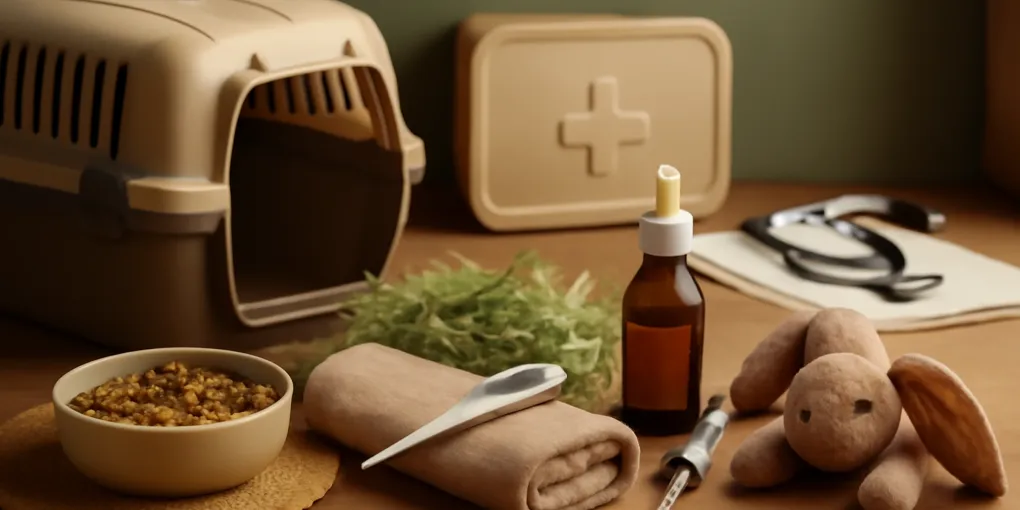
Rabbit Emergency Kit Setup Protocol: What to Keep Before You Need It
ProtocolQuick picks
| Product | Key Specs |
|---|---|
| See price on Amazon |
|
| See price on Amazon |
|
| See price on Amazon |
|
Product availability, certifications, and retailer details can change; check the current Amazon page before buying.
Quick kit list
A rabbit emergency kit is not a medicine cabinet for guessing. It is a way to move fast when a rabbit stops eating, stops passing normal feces, overheats, injures a nail, or needs evacuation. Build the kit around transport, hay continuity, veterinary contact, and instructions you received before the crisis.
- Search Amazon for rabbit carrier kit supplies if you need a ventilated carrier, washable liner, and hay bag.
- Search Amazon for small animal feeding syringes for vet-directed fluids or recovery food, not DIY treatment of an unknown blockage.
- Search Amazon for a rabbit gram scale if weekly weight tracking would help you notice appetite trouble earlier.
How we evaluated the options
| Factor | Weight | What mattered | Rabbit-specific application |
|---|---|---|---|
| Research | 30% | Fit with rabbit GI and disaster-preparedness guidance | Appetite, fecal output, hay access, and rapid exotic-vet contact led the protocol. |
| Evidence Quality | 25% | Clear difference between supplies and treatment | We avoided recommending home diagnosis for gut stasis, obstruction, or pain. |
| Value | 20% | Supplies that get used in real emergencies | Carrier, hay, records, and contact cards outranked novelty first-aid tools. |
| User Signals | 15% | Common owner failure points | Missing carrier, expired food, and no after-hours clinic plan are recurring problems. |
| Transparency | 10% | Limits and instructions | The kit is a readiness tool, not a substitute for a rabbit-savvy veterinarian. |
Step 1: choose the carrier before the emergency
Use a hard-sided or structured carrier with ventilation, a secure latch, and a floor that can be lined with a towel or absorbent pad. The rabbit should be able to sit naturally without sliding. Add hay for familiarity and gut continuity, but avoid loose clutter that can shift during transport.
Practice when nothing is wrong. Put treats or greens near the carrier, then inside it, then close the door briefly. A rabbit that has never seen the carrier may fight, overheat, or injure itself when you most need calm movement.
Step 2: pack food continuity, not random treats
Keep a small sealed bag of the rabbit’s normal pellets, a hay sample, and a written note with normal diet, recent appetite, and any foods that caused trouble. Replace the food before it goes stale. If your veterinarian has recommended a recovery diet for a specific rabbit, keep it sealed and note the expiration date.
Do not fill the kit with sugary treats. In an emergency, the useful information is whether the rabbit is eating hay, producing normal feces, and behaving normally.
Step 3: keep vet instructions in writing
Tape a card inside the kit with the primary rabbit-savvy veterinarian, after-hours emergency hospital, poison-control number if relevant, current medications, baseline weight, and the rabbit’s age. Include a photo of the rabbit and a photo of the enclosure in case another caregiver has to help.
Keep a printed copy of that plan in the carrier for backup caregivers.
Ask the clinic in advance what they want you to do if the rabbit stops eating overnight. Some clinics want immediate emergency care; some may give specific instructions for known chronic cases. The kit should reflect your veterinarian’s guidance, not internet improvisation.
Step 4: include monitoring tools
A digital gram scale can help you notice weight loss before it is obvious by sight. A rectal thermometer should be used only if your veterinary team has shown you how and told you when it is appropriate. Feeding syringes are useful when directed, but force-feeding the wrong rabbit can be dangerous.
Keep nail styptic powder for minor nail bleeding, saline for flushing debris from fur or skin around a wound when instructed, and a soft towel for safe handling. Serious bleeding, severe lethargy, bloating, collapse, heat stress, or no feces with poor appetite needs veterinary care.
Step 5: run a monthly kit check
Once a month, check carrier latch, towel cleanliness, food expiration, medication labels, syringe cleanliness, and contact numbers. Weigh the rabbit at the same time if the rabbit tolerates it. If weight changes, appetite changes, fecal pellets shrink, or the rabbit sits hunched, do not wait for the kit check to become the plan.
FAQ
What is the most important item in a rabbit emergency kit?
The after-hours rabbit-savvy vet plan is the most important item. A carrier and hay help you get there, but the plan prevents delay when appetite or fecal output changes.
Should I keep recovery food and syringes at home?
Yes, if your veterinarian has shown you when and how to use them. They should not be used to treat an unknown obstruction, severe pain, or a rabbit that is deteriorating without veterinary direction.
How does this differ from a litter-training setup?
A litter setup focuses on daily routine. If you are still arranging the home base, pair this kit with our rabbit litter training protocol so the carrier, hay, and cleaning supplies are not scattered around the house.
Sources
- Rabbit.org outlines first-aid kit items and emphasizes preparation before illness or evacuation: https://rabbit.org/care/first-aid-kit/
- ASPCA disaster-preparedness guidance supports pet records, carriers, supplies, and evacuation planning: https://www.aspca.org/pet-care/general-pet-care/disaster-preparedness
- Merck Veterinary Manual overview of rabbit digestive disease explains why appetite and fecal changes deserve urgent attention: https://www.merckvetmanual.com/all-other-pets/rabbits/disorders-and-diseases-of-rabbits
Bottom line
Build the rabbit emergency kit before the first missed meal. The winning kit is boring, labeled, and ready to carry: safe carrier, hay, records, vet contacts, and only the home-care tools your veterinarian has taught you to use.